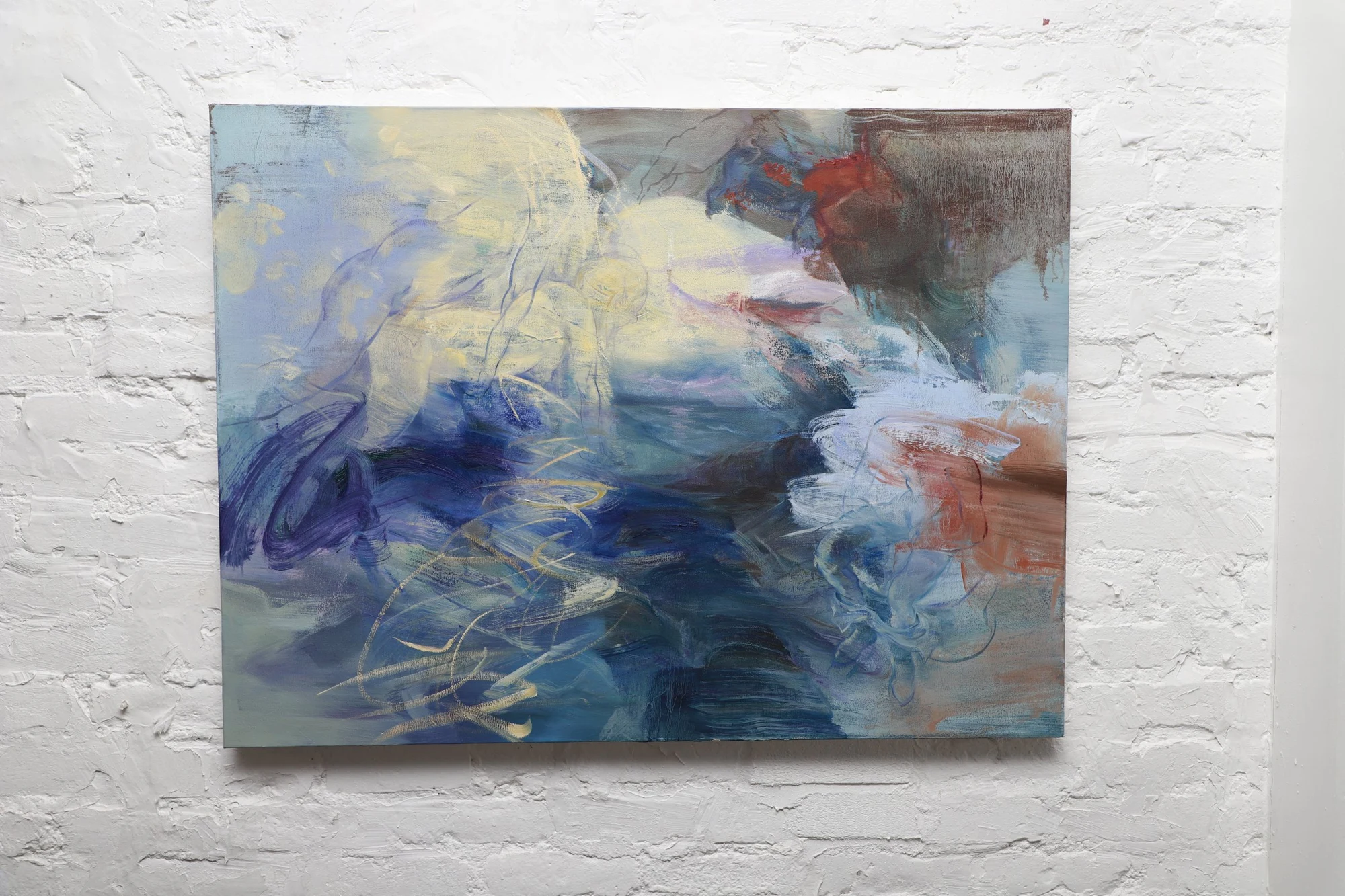
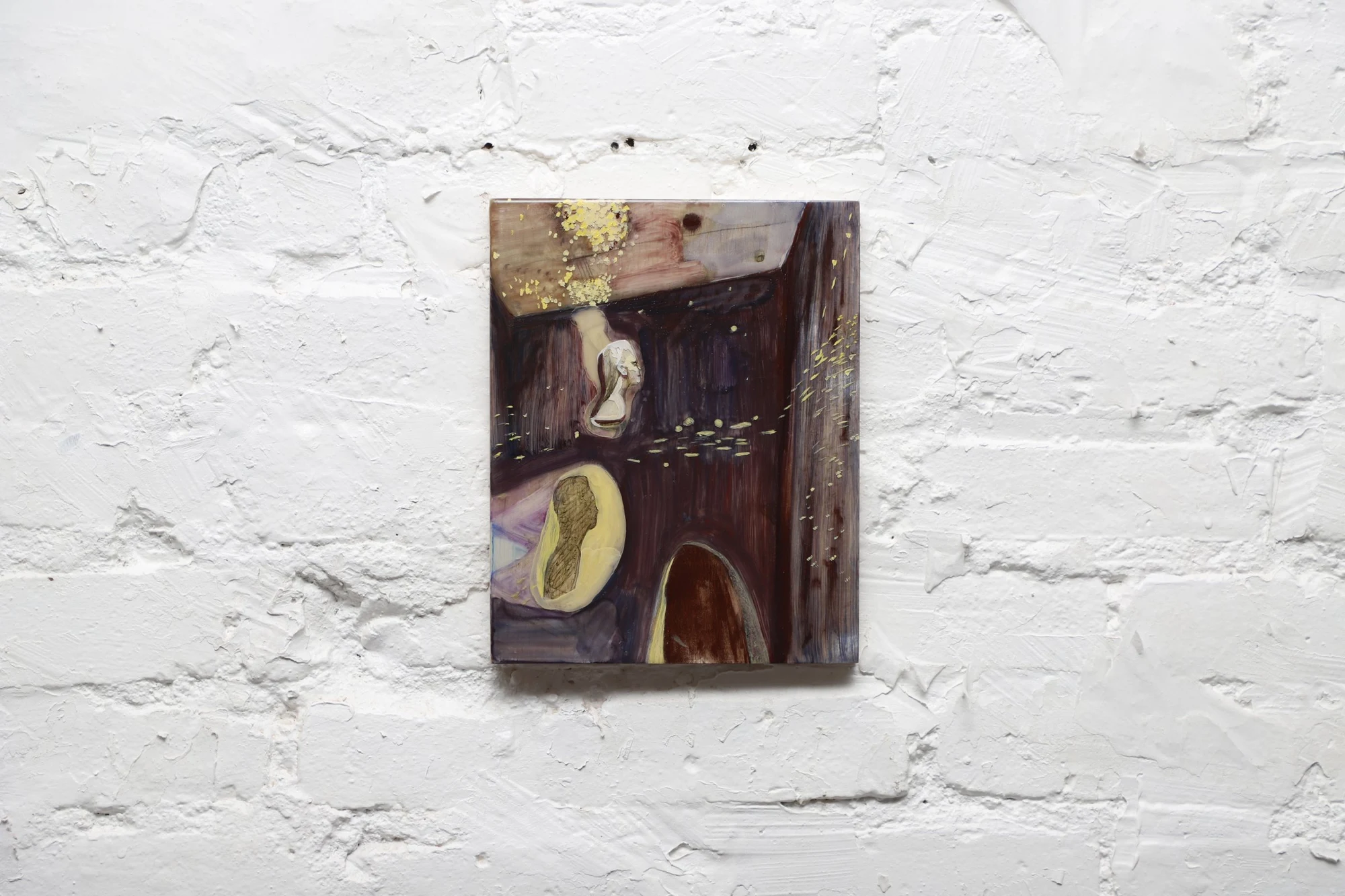
Jinyi Freya Xu (b. 2002, China) is a New York-based curator and writer. Her curation explores how individual experience and the encounter of being and time can be translated into visual and spatial forms, positioning art as a medium for critical inquiry and public dialogue. Her work emphasizes conceptual clarity, emotional precision, and cross-disciplinary thinking across art, philosophy, AI technology, and astronomy, bridging curatorial methodology with market literacy and philosophical reflection.
Xu holds an M.A. in Visual Arts Administration from New York University and a B.A. in Arts Management from the Central Academy of Fine Arts. She has curated and organized exhibitions in New York, including Ziyi Zhang’s solo exhibition PIXEL//FLESH and Sophia Zhao’s solo exhibition at LATITUDE Gallery; A Home Together and Osmosis at FLOHAUS Gallery; When Blurry Memories Awaken and Between the Breath of Objects at Nguyen Wahed Gallery; and Inner Feast at Accent Sisters, New York.
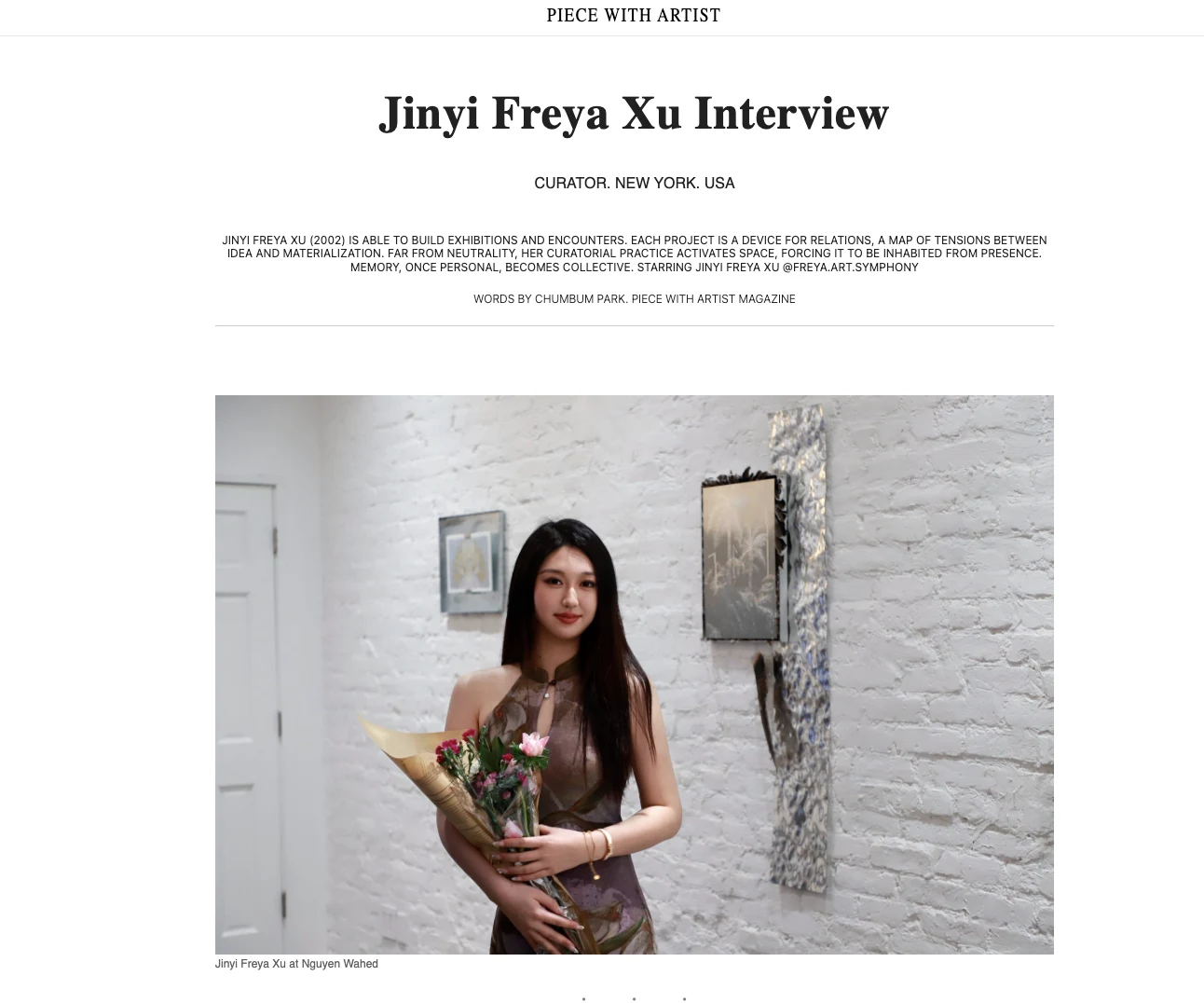
As a writer, Xu focuses on contemporary art, curatorial practice, and the global art market. Through exhibition reviews, interviews, and critical essays, she explores how artistic production intersects with institutions, collecting, and cultural exchange. Her writing has appeared in Tussle Magazine, Hot Coffee Conversation, and Dart Magazine. Her curatorial practice has been featured in Theories Magazine, Whitehot Magazine, ASAP Journal, and Piece with Artist.
Jinyi Freya Xu (b. 2002, China) is a New York-based curator and writer. Her curation explores how individual experience and the encounter of being and time can be translated into visual and spatial forms, positioning art as a medium for critical inquiry and public dialogue. Her work emphasizes conceptual clarity, emotional precision, and cross-disciplinary thinking across art, philosophy, AI technology, and astronomy, bridging curatorial methodology with market literacy and philosophical reflection.
Xu holds an M.A. in Visual Arts Administration from New York University and a B.A. in Arts Management from the Central Academy of Fine Arts. She has curated and organized exhibitions in New York, including Ziyi Zhang’s solo exhibition PIXEL//FLESH and Sophia Zhao’s solo exhibition at LATITUDE Gallery; A Home Together and Osmosis at FLOHAUS Gallery; When Blurry Memories Awaken and Between the Breath of Objects at Nguyen Wahed Gallery; and Inner Feast at Accent Sisters, New York.
As a writer, Xu focuses on contemporary art, curatorial practice, and the global art market. Through exhibition reviews, interviews, and critical essays, she explores how artistic production intersects with institutions, collecting, and cultural exchange. Her writing has appeared in Tussle Magazine, Hot Coffee Conversation, and Dart Magazine. Her curatorial practice has been featured in Theories Magazine, Whitehot Magazine, ASAP Journal, and Piece with Artist.
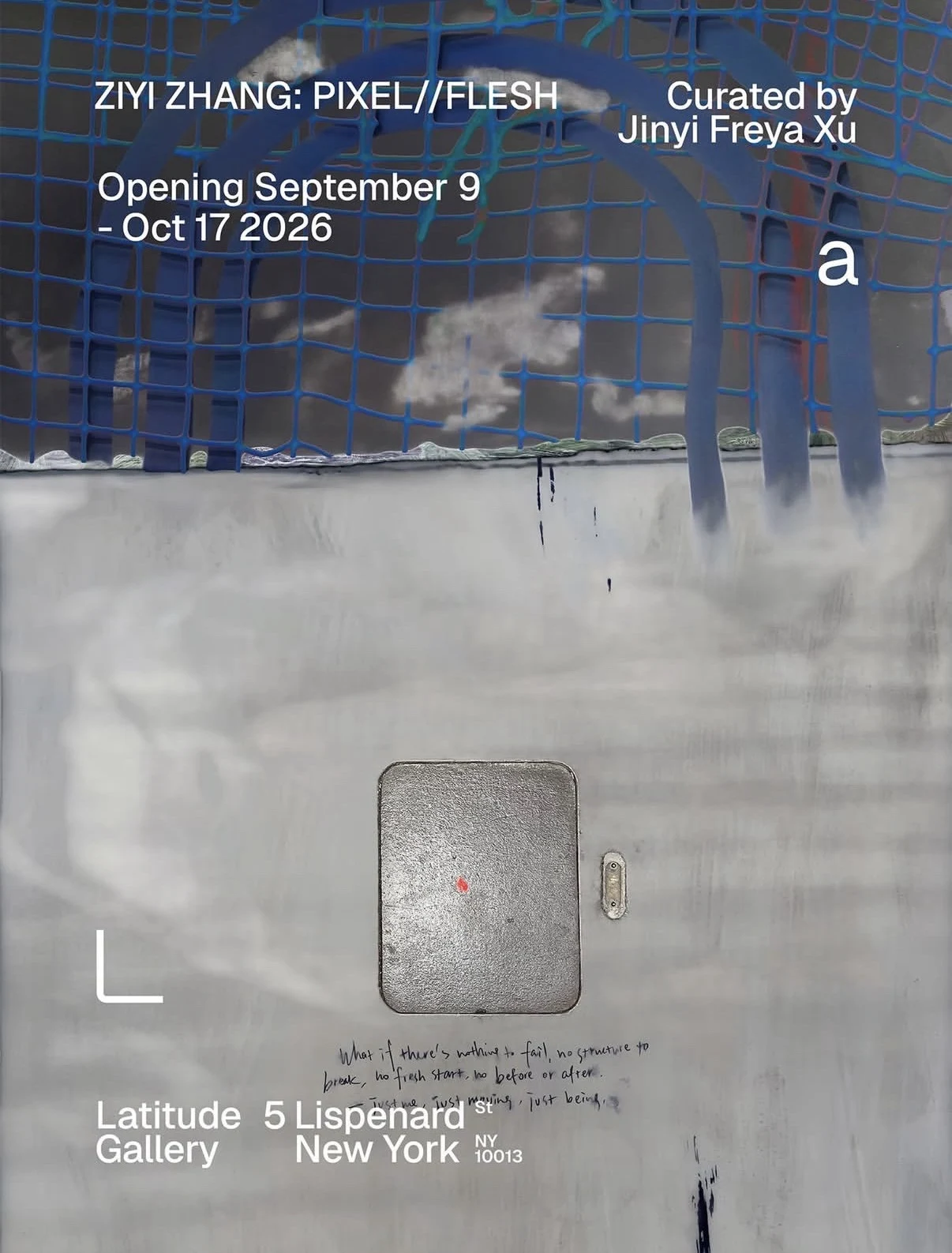
LATITUDE Gallery, 5 Lispenard St, New York, NY 10013
Dates
September 9 – October 17, 2026
Curated by
Jinyi Freya Xu
Artists
Ziyi Zhang
Press release
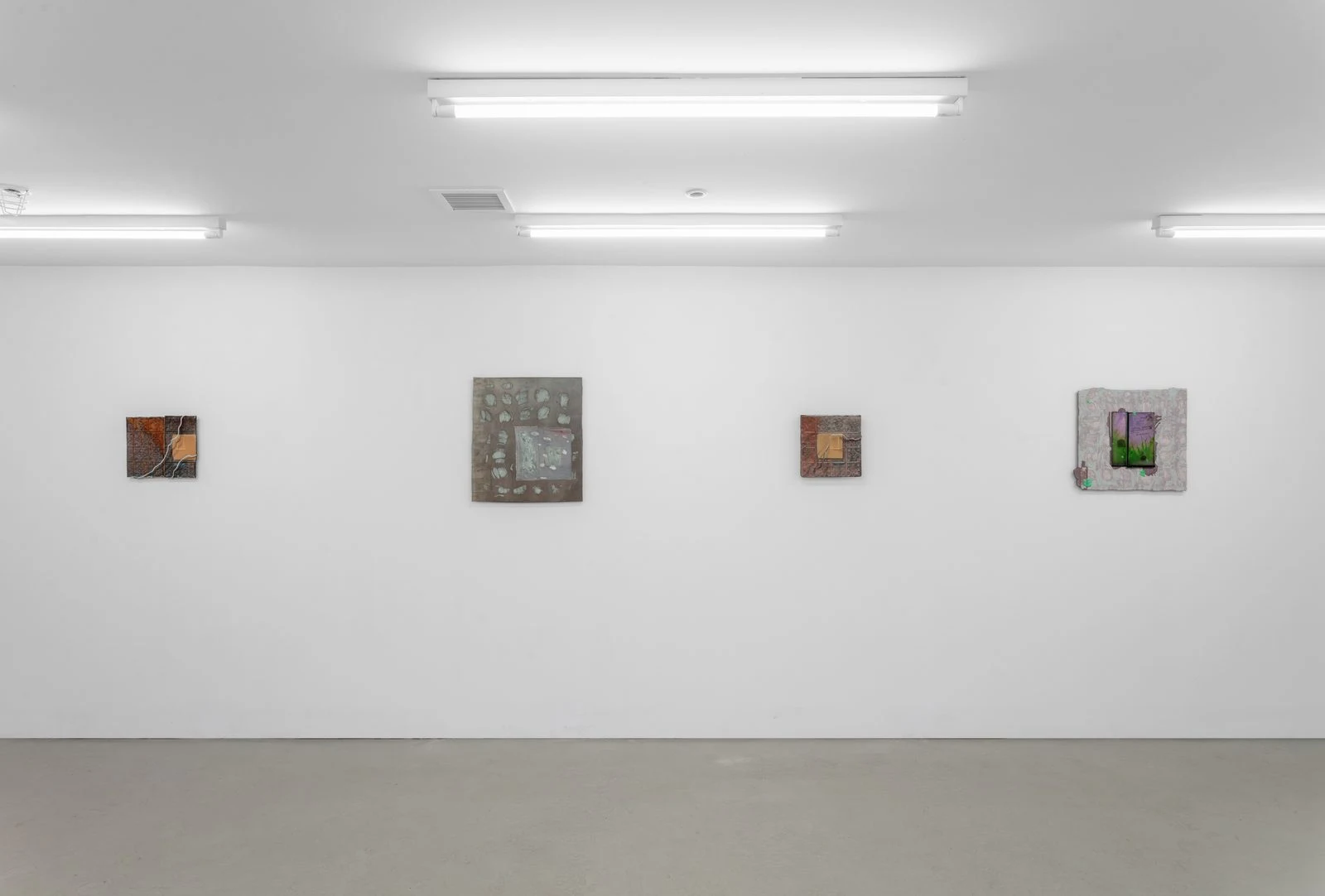
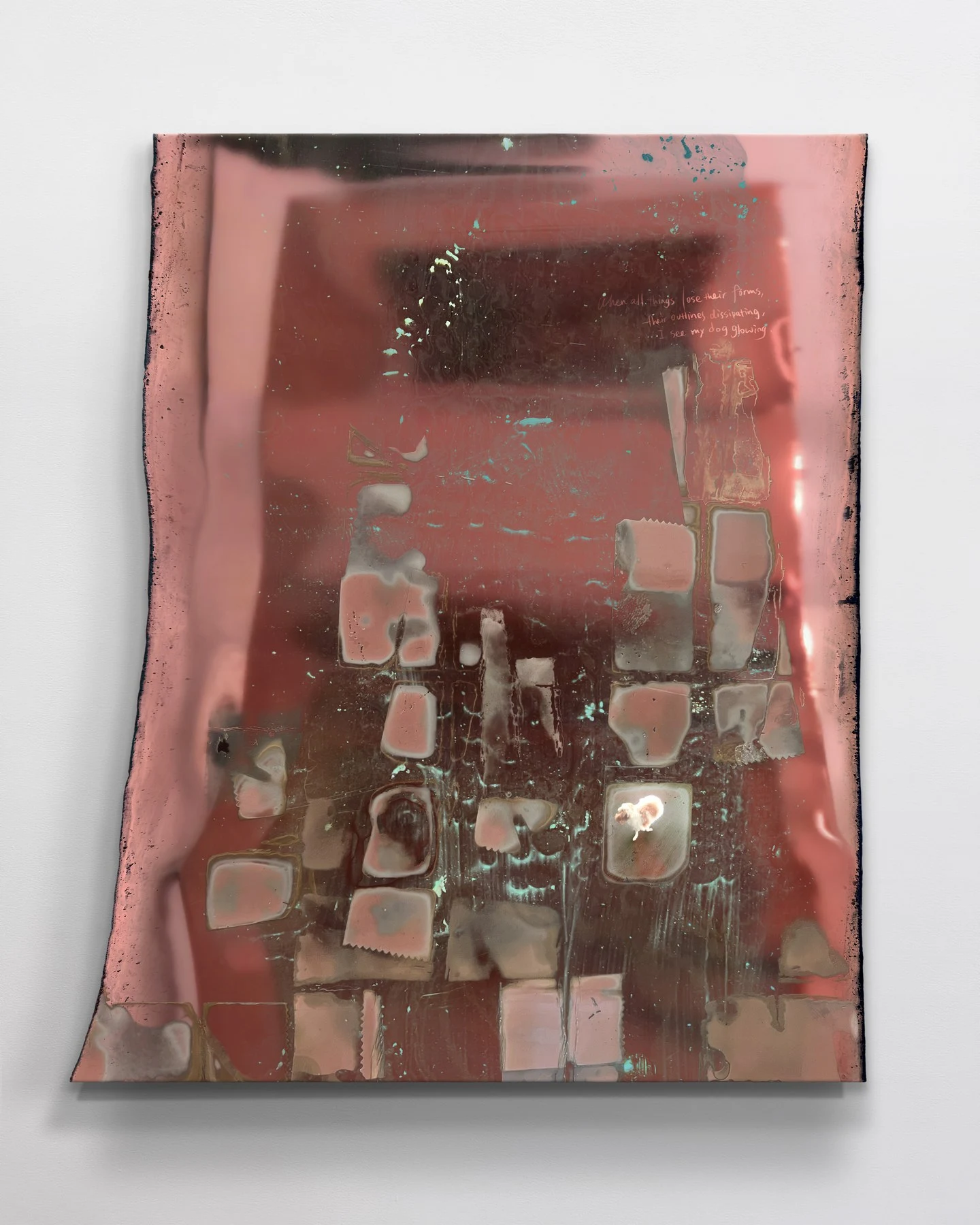
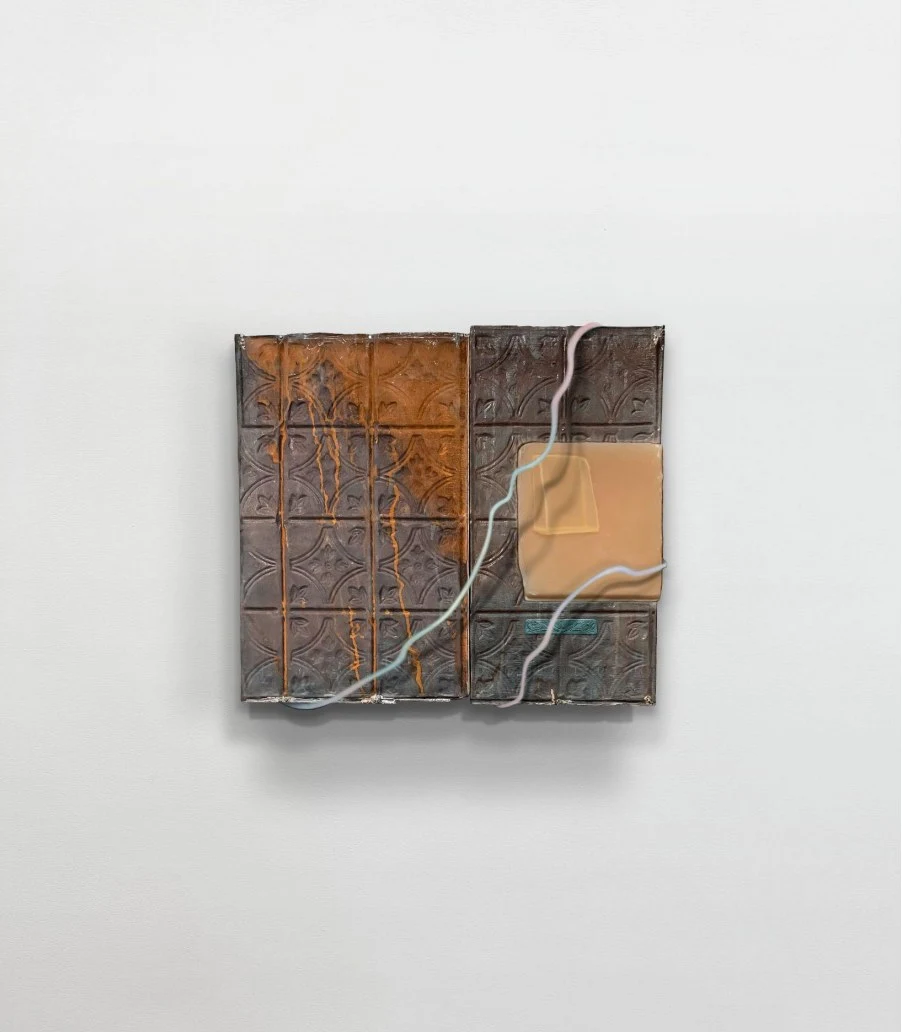
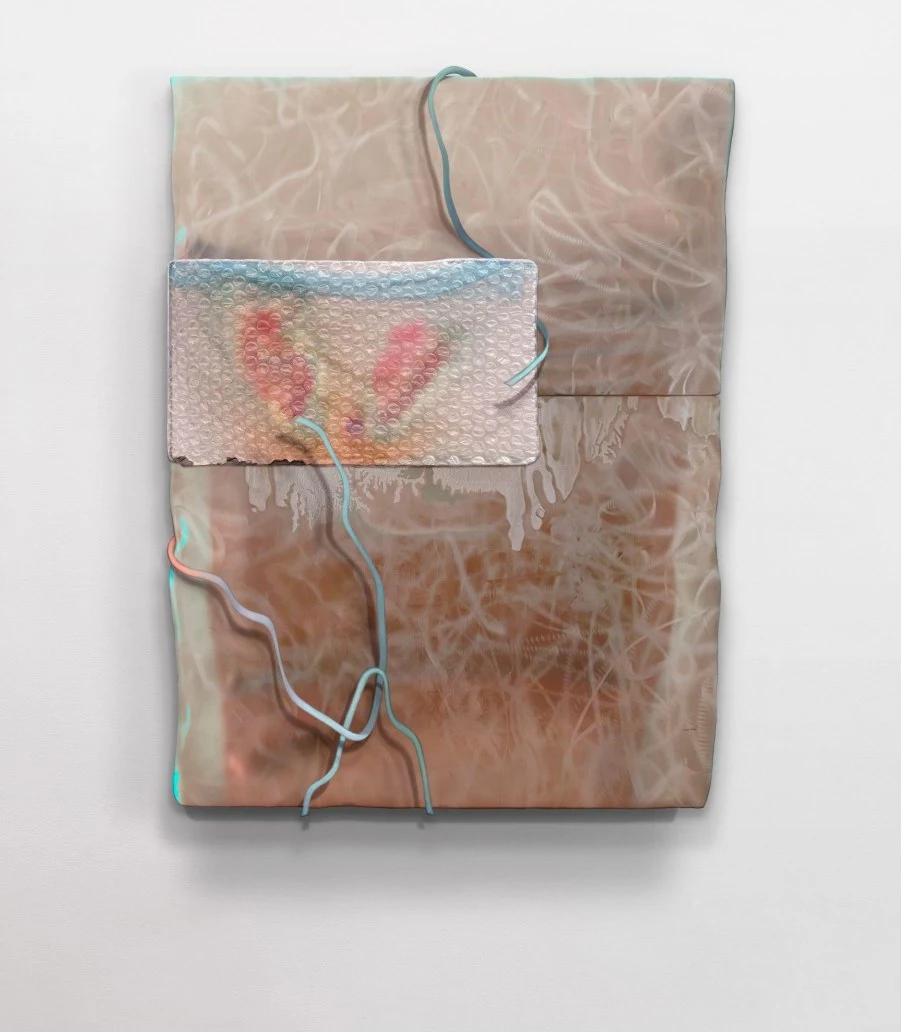
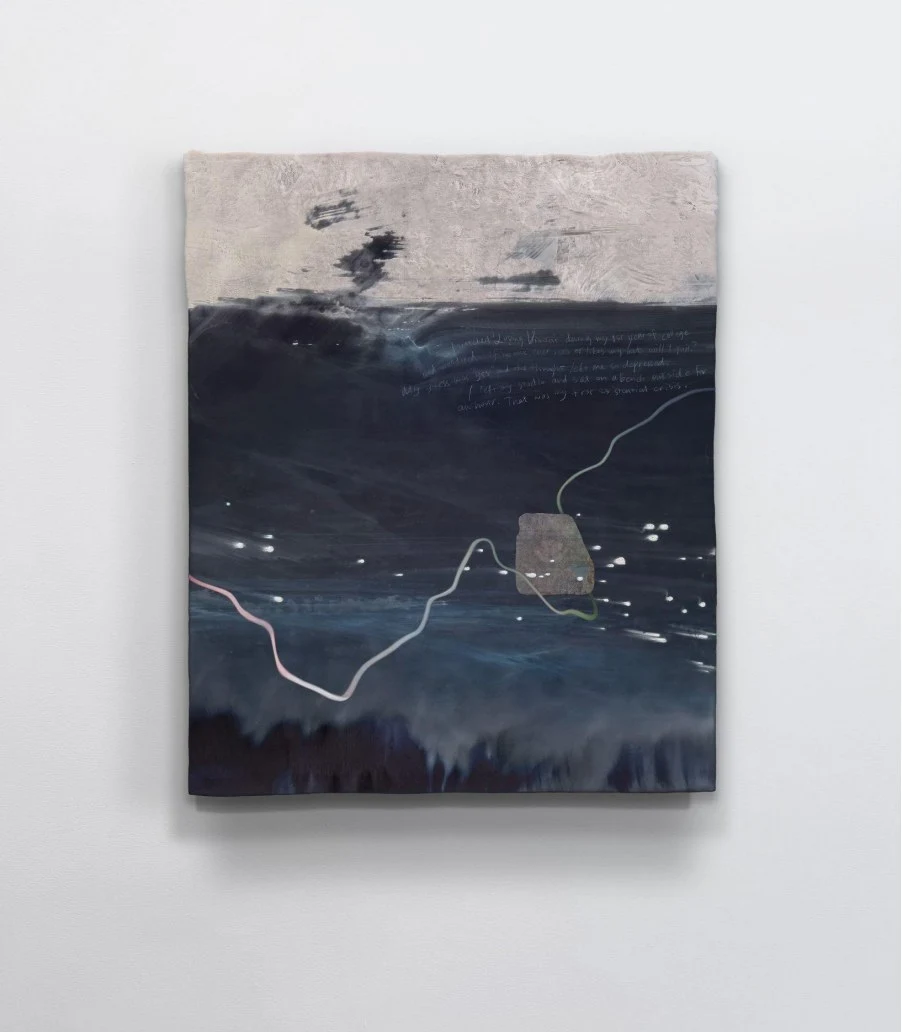
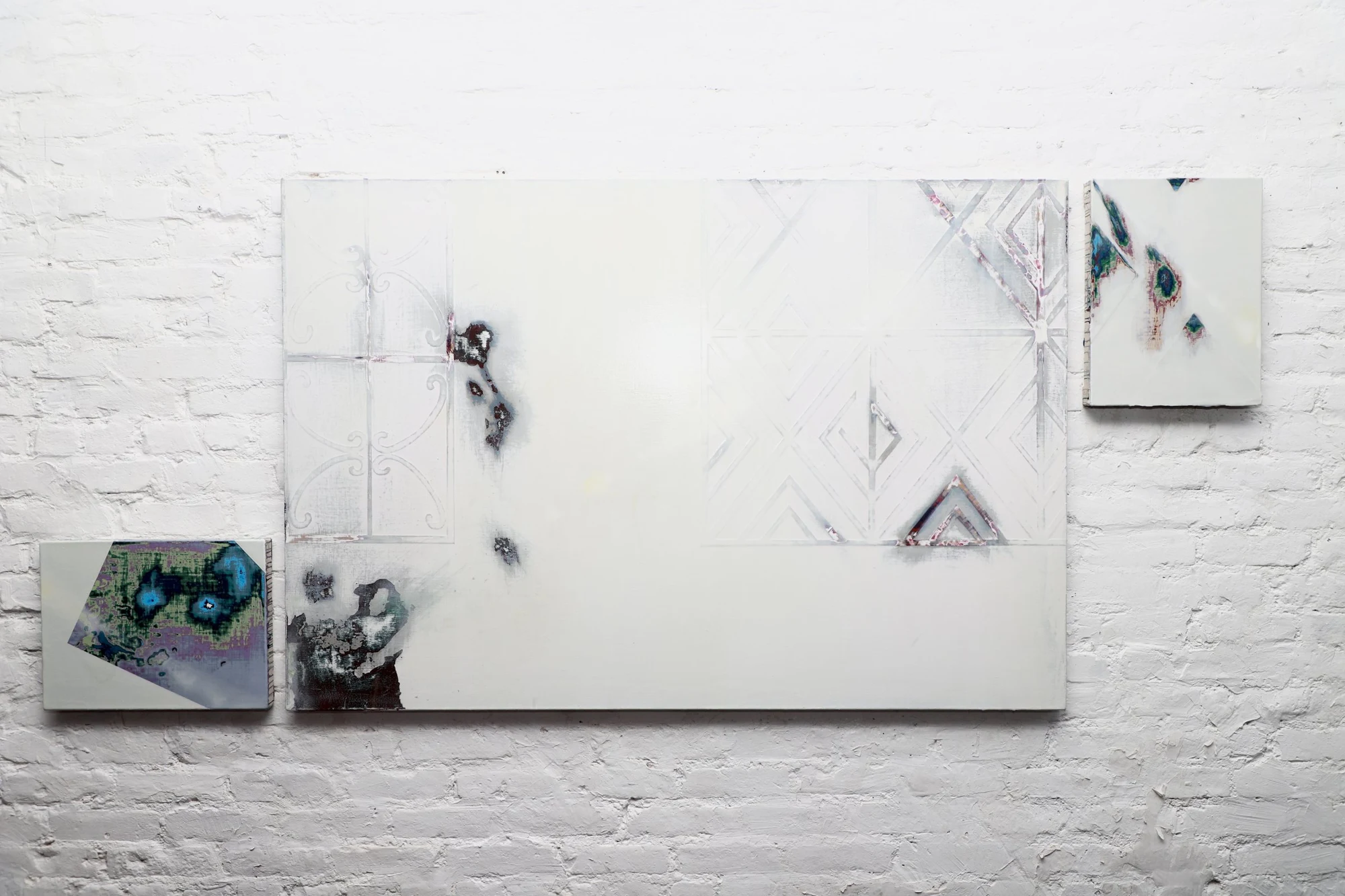
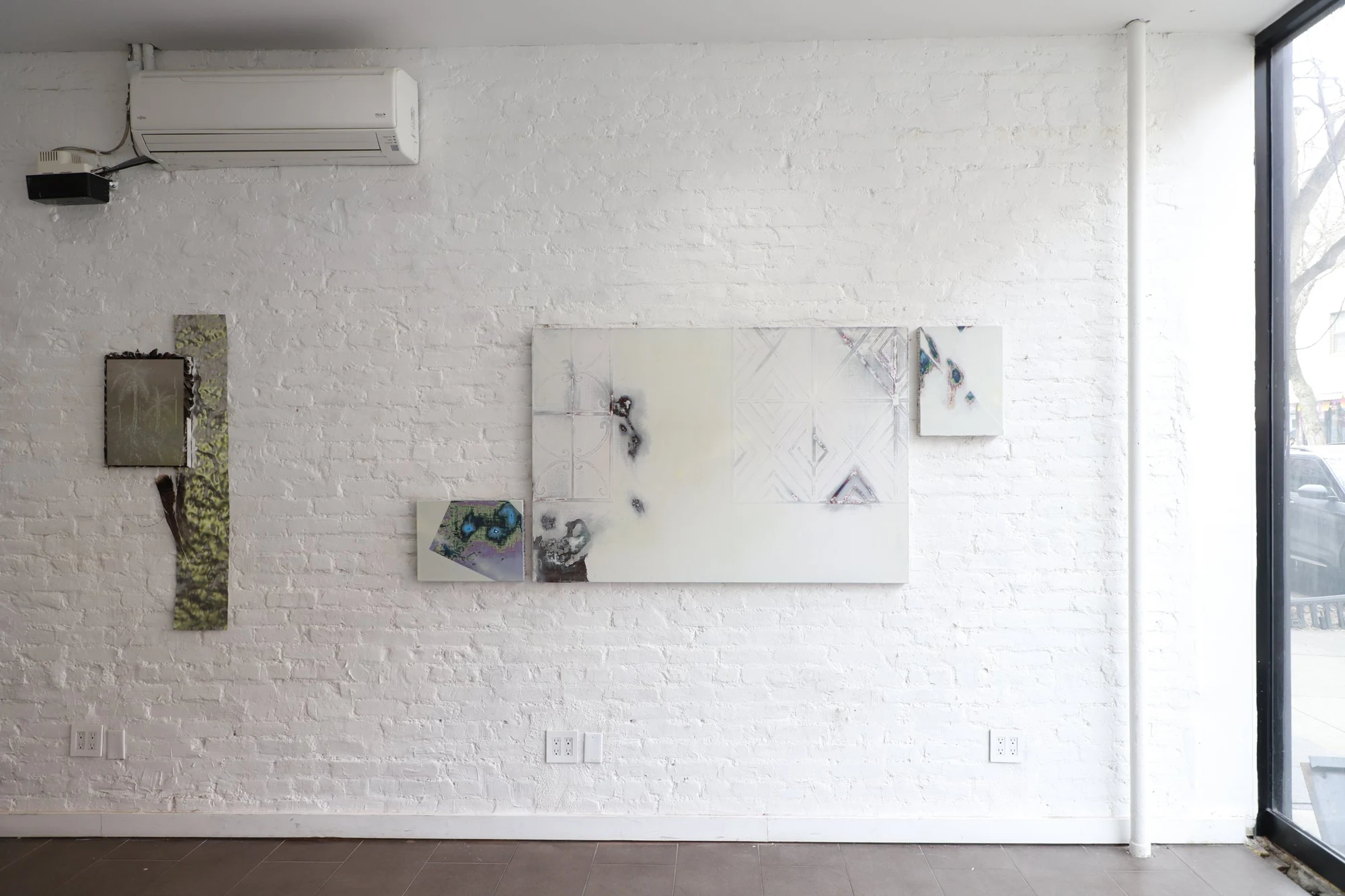
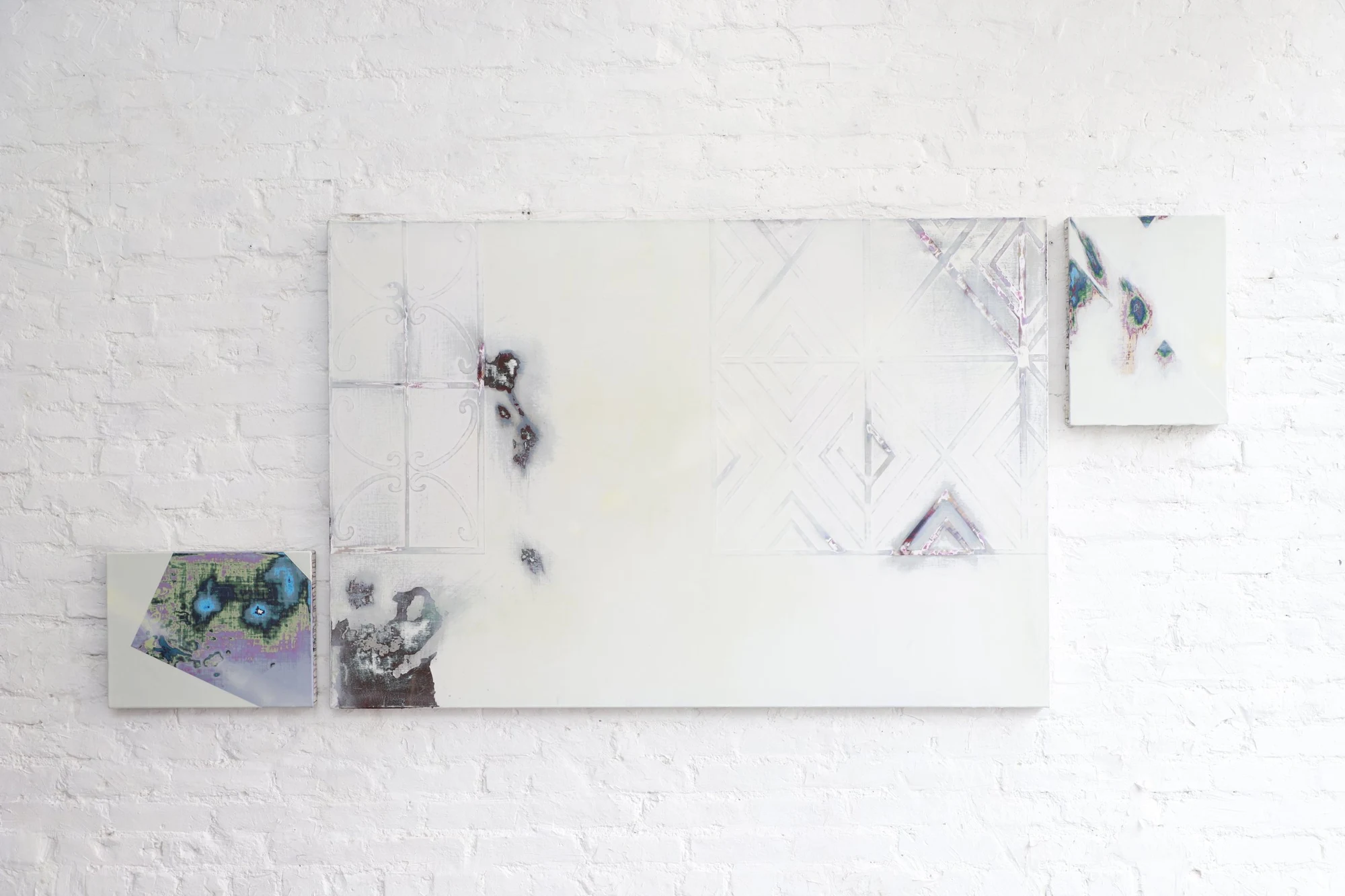
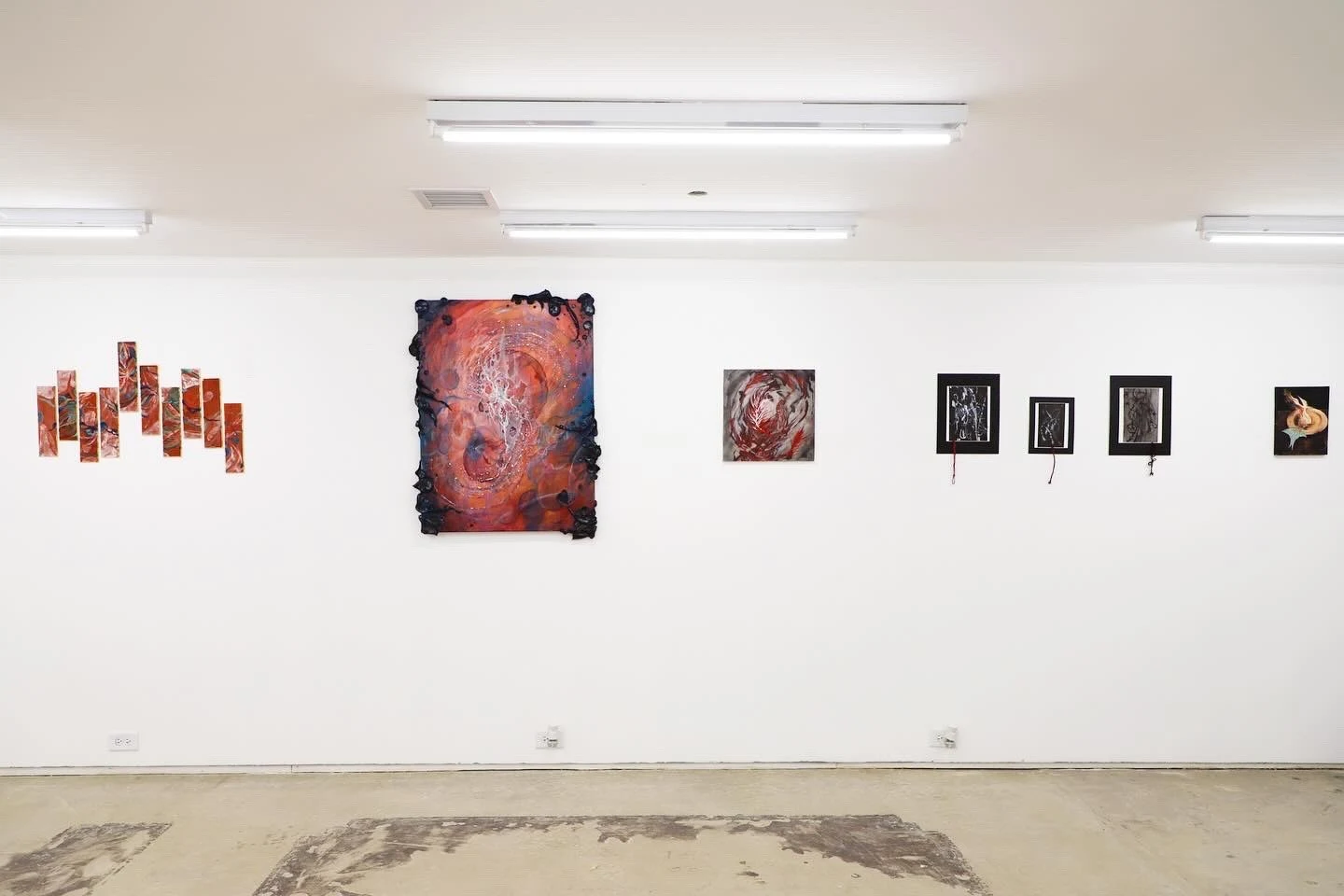
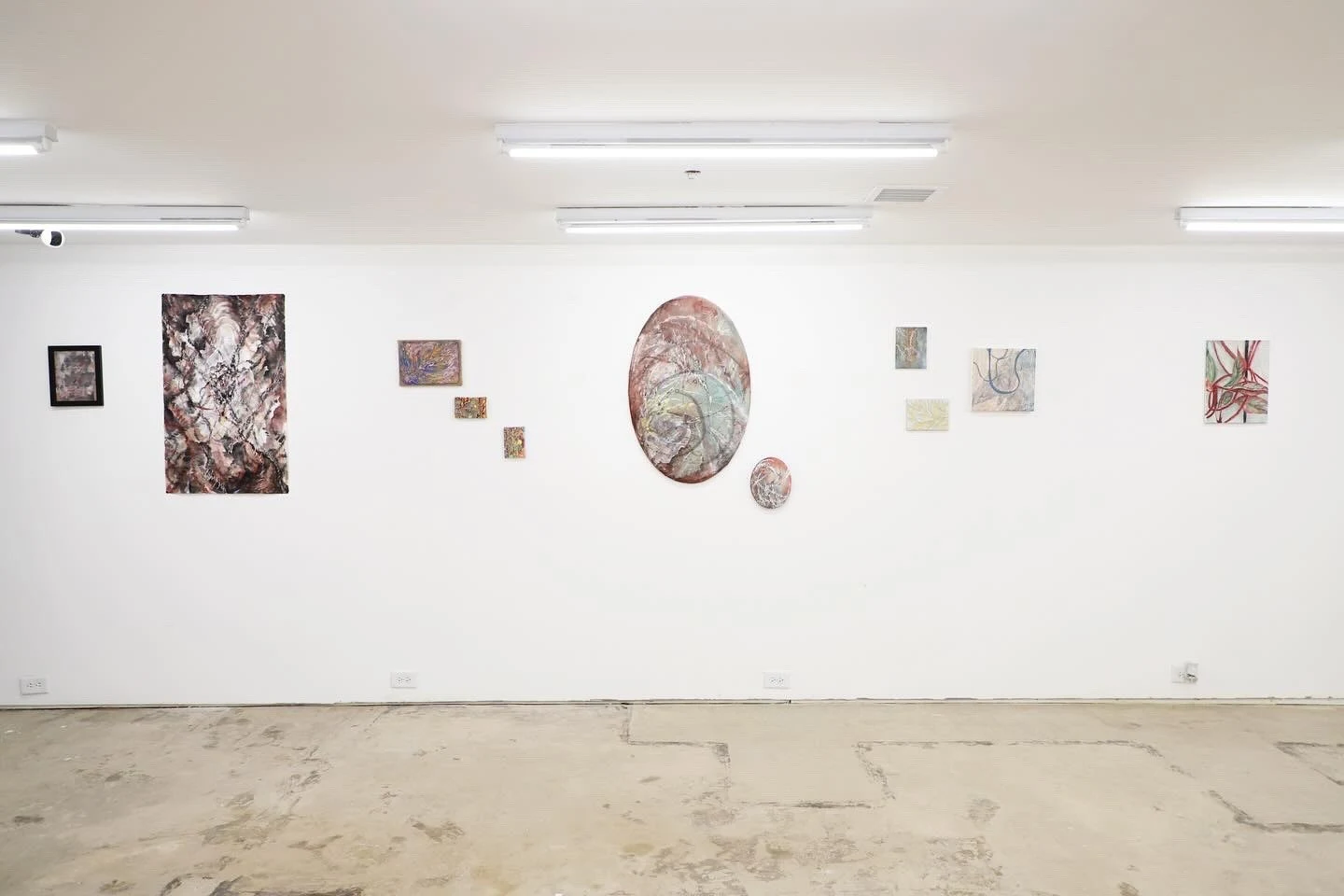
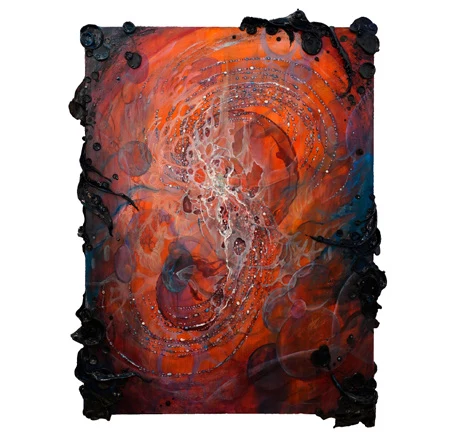
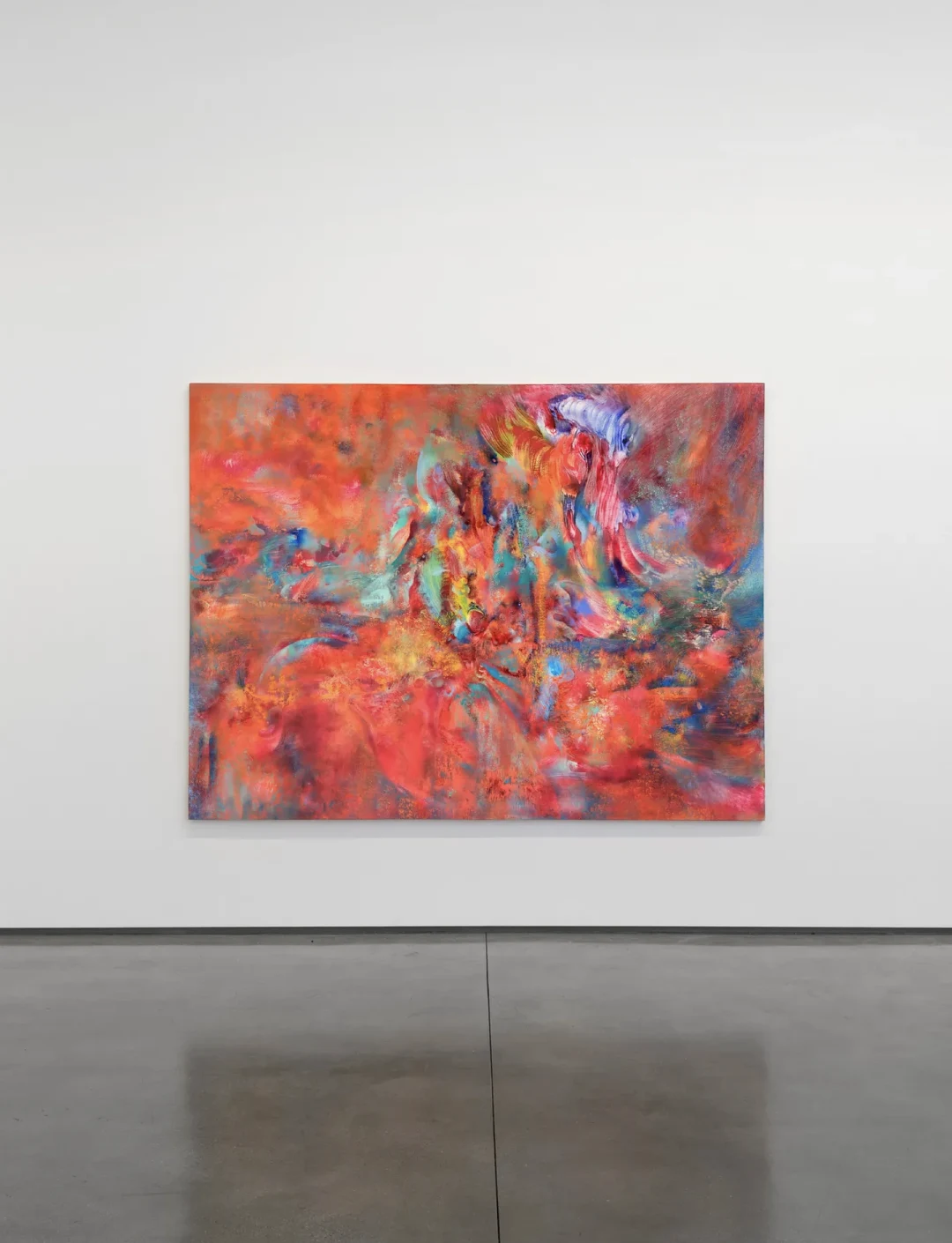
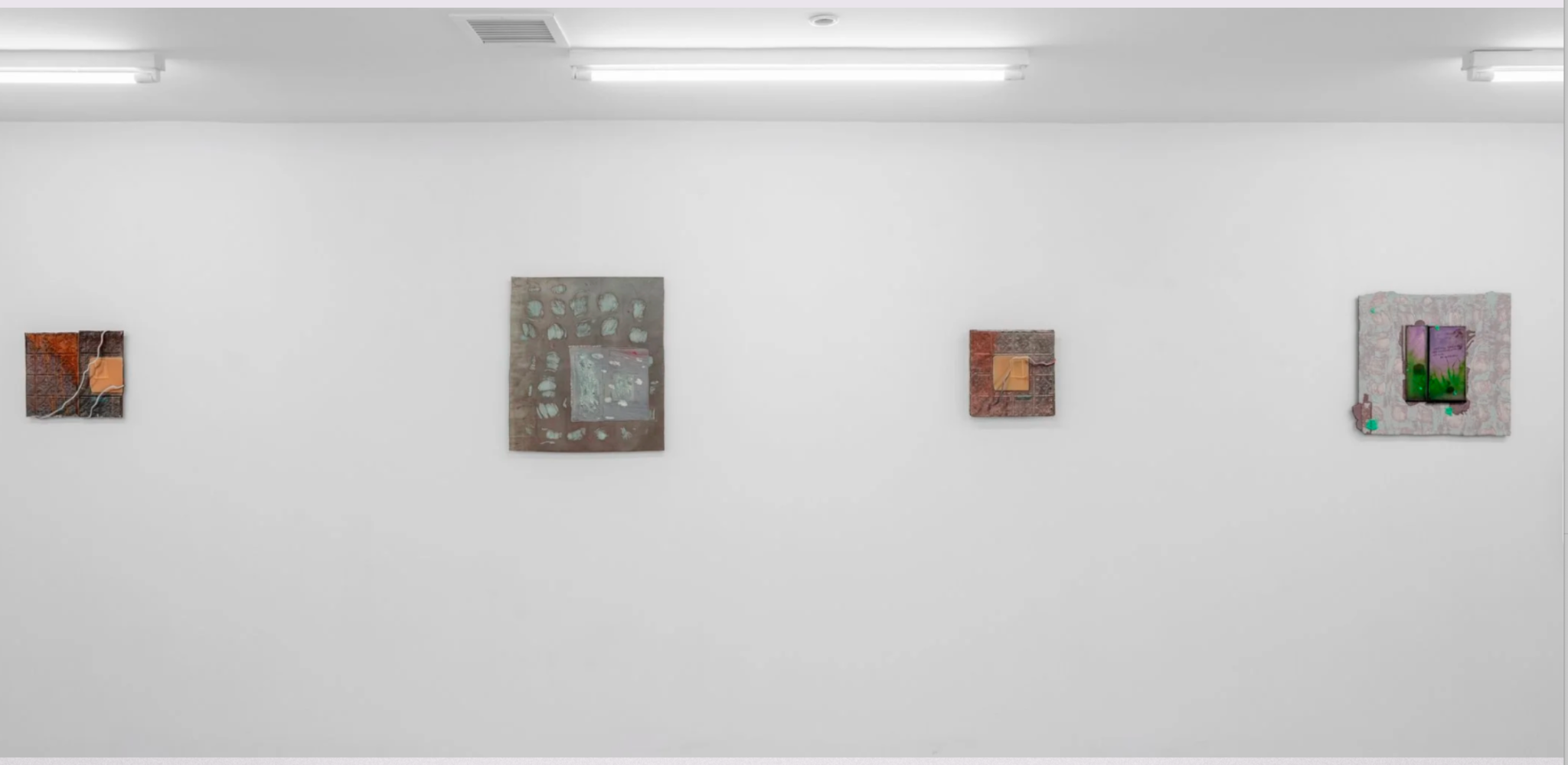
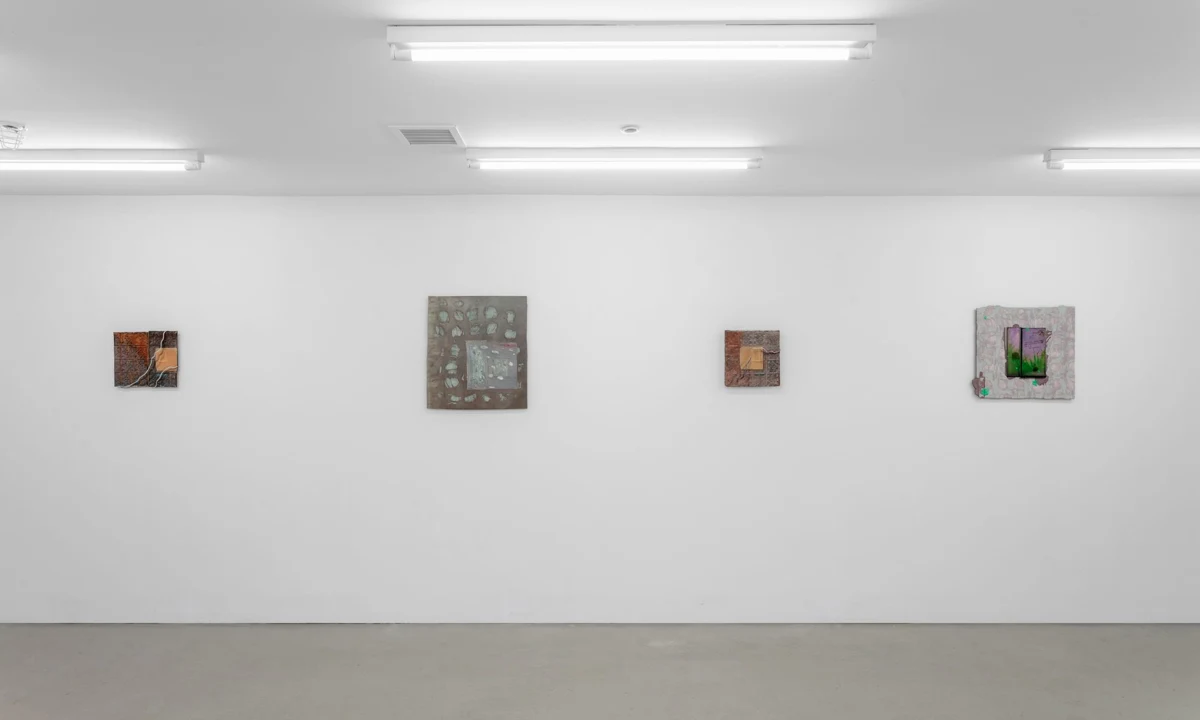
We are pleased to present PIXEL//FLESH, a solo exhibition by Ziyi Zhang featuring her ongoing series of Data-Body Paintings curated by Jinyi Freya Xu at LATITUDE Gallery. Moving across painting, digital imaging, robotic fabrication, and sculptural relief, the exhibition examines how a technology acquires weight, texture, and bodily presence after leaving the screen.
The title PIXEL//FLESH names both a division and a point of contact. The double slash evokes a line of code, a rupture between systems, and a pathway through dimensions. On one side is the pixel: standardized, virtual, and weightless. On the other is flesh: tactile, organic, and subject to gravity. Like a portal ripped open, Zhang’s works force these two incompatible realms to collide.
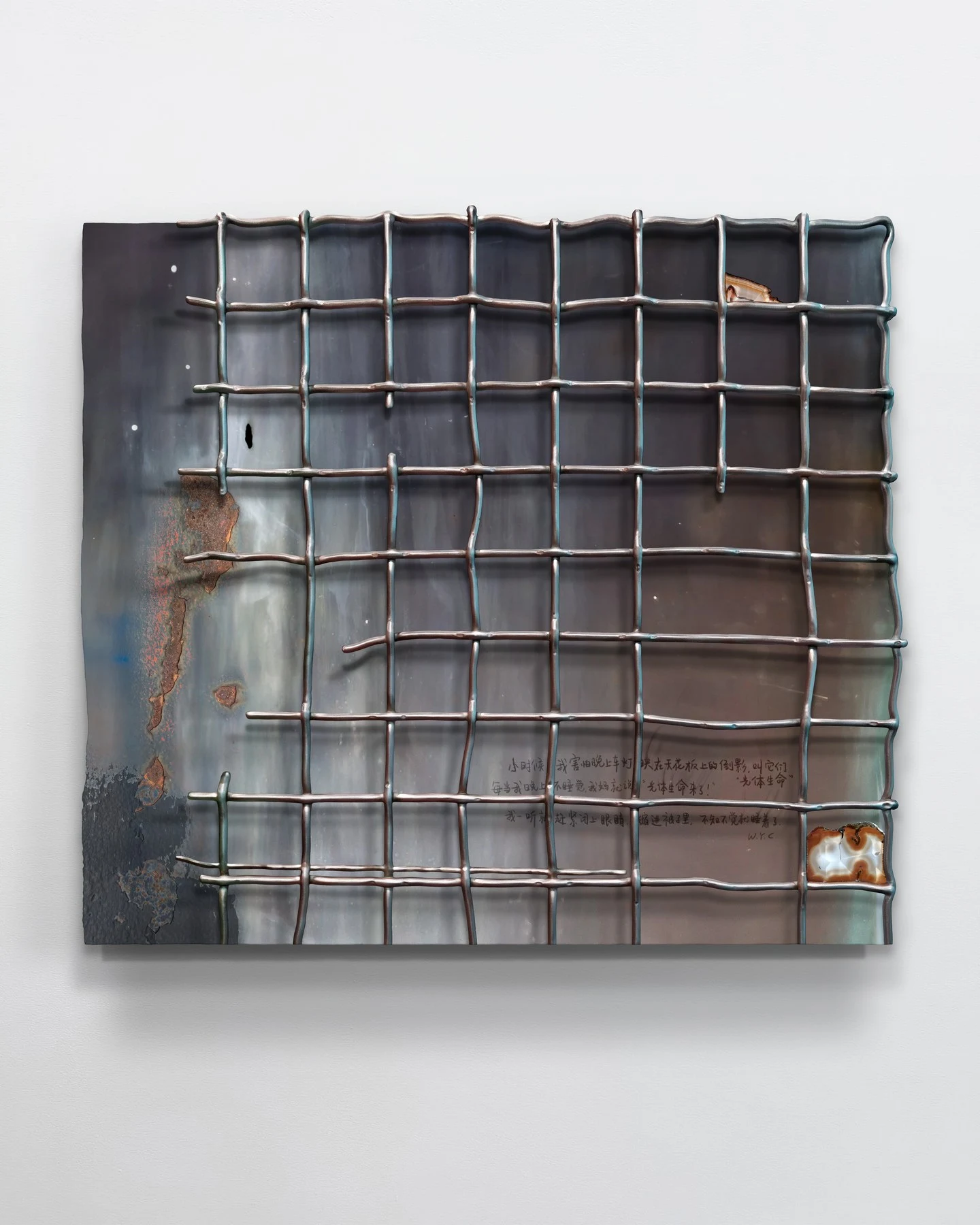
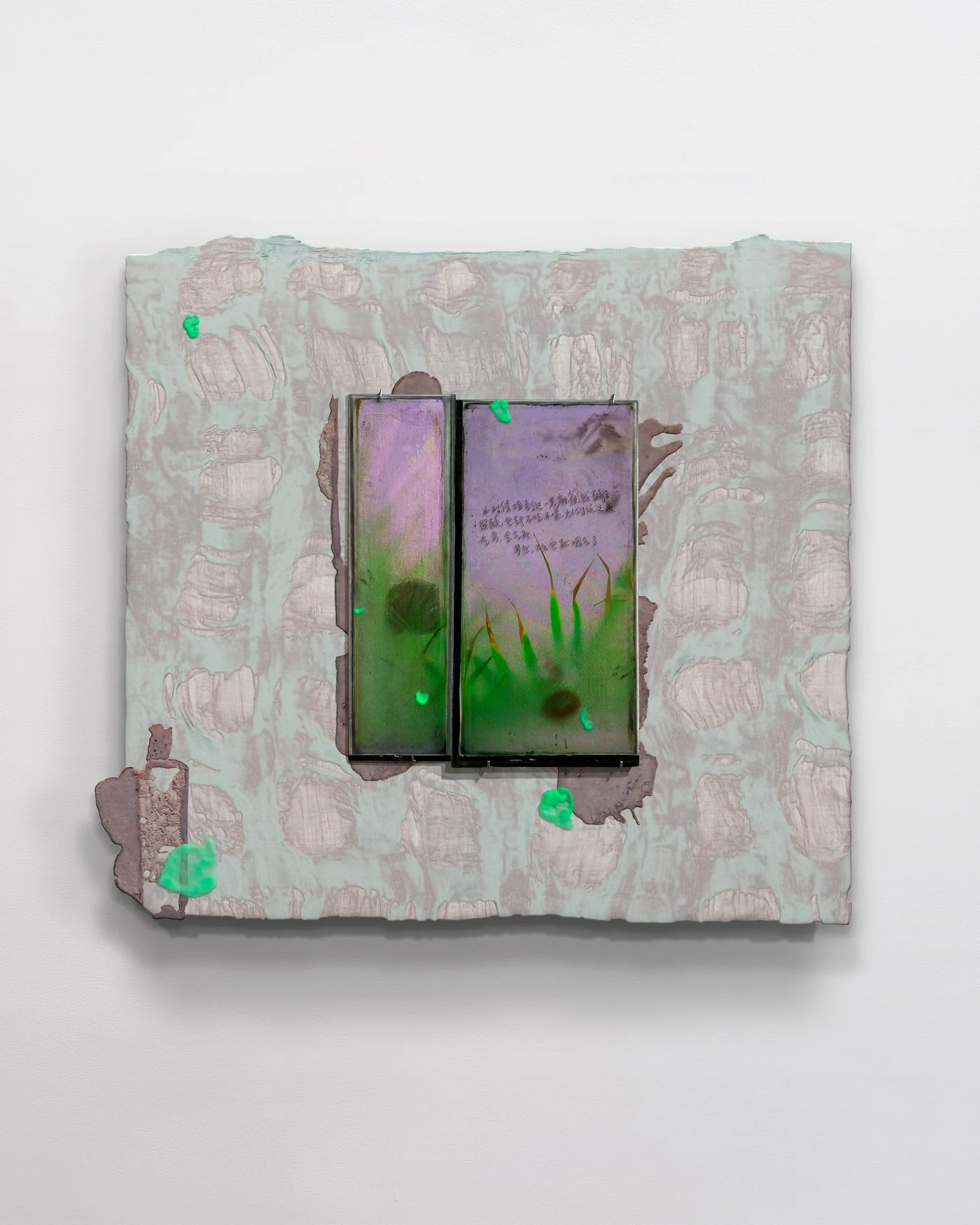
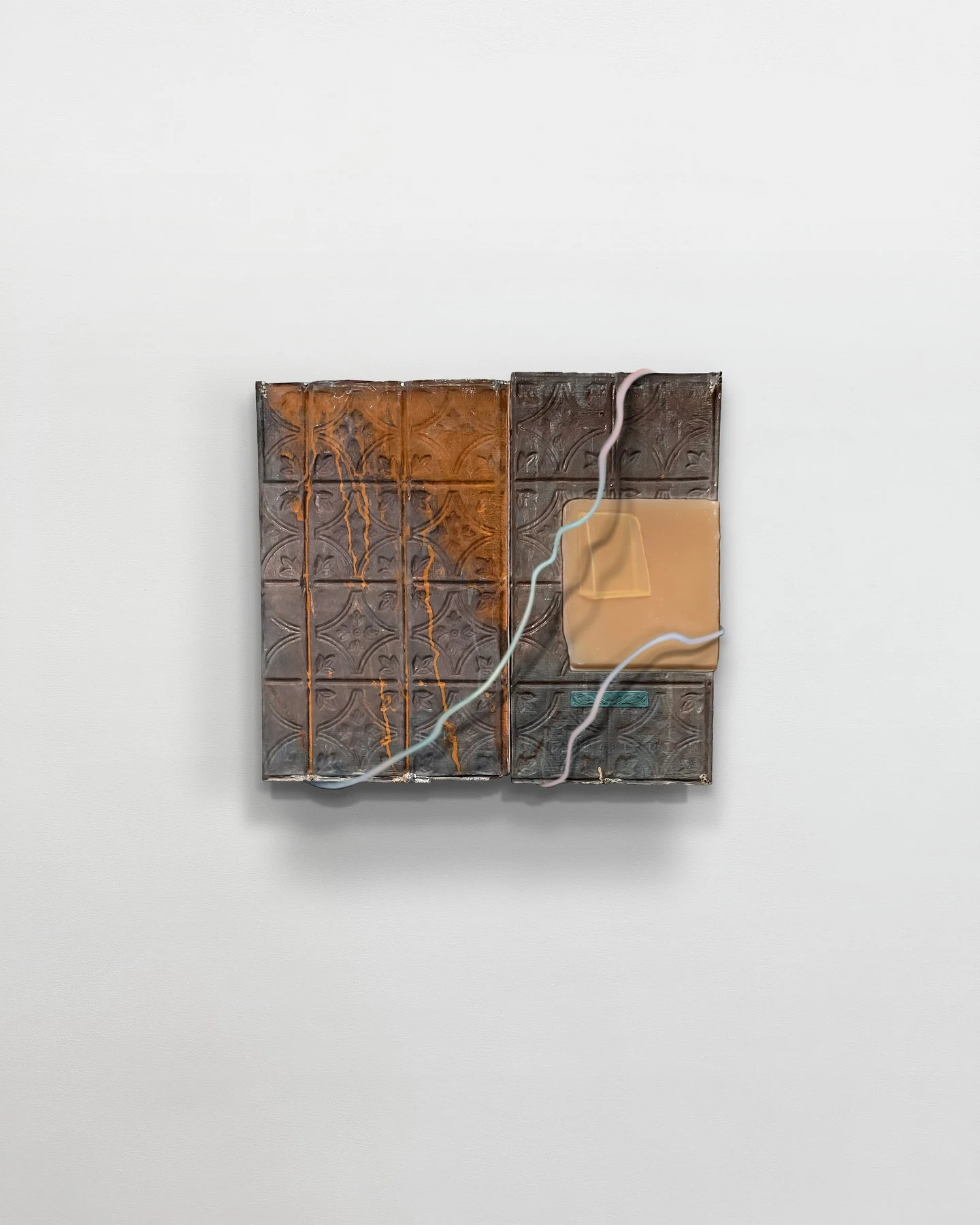
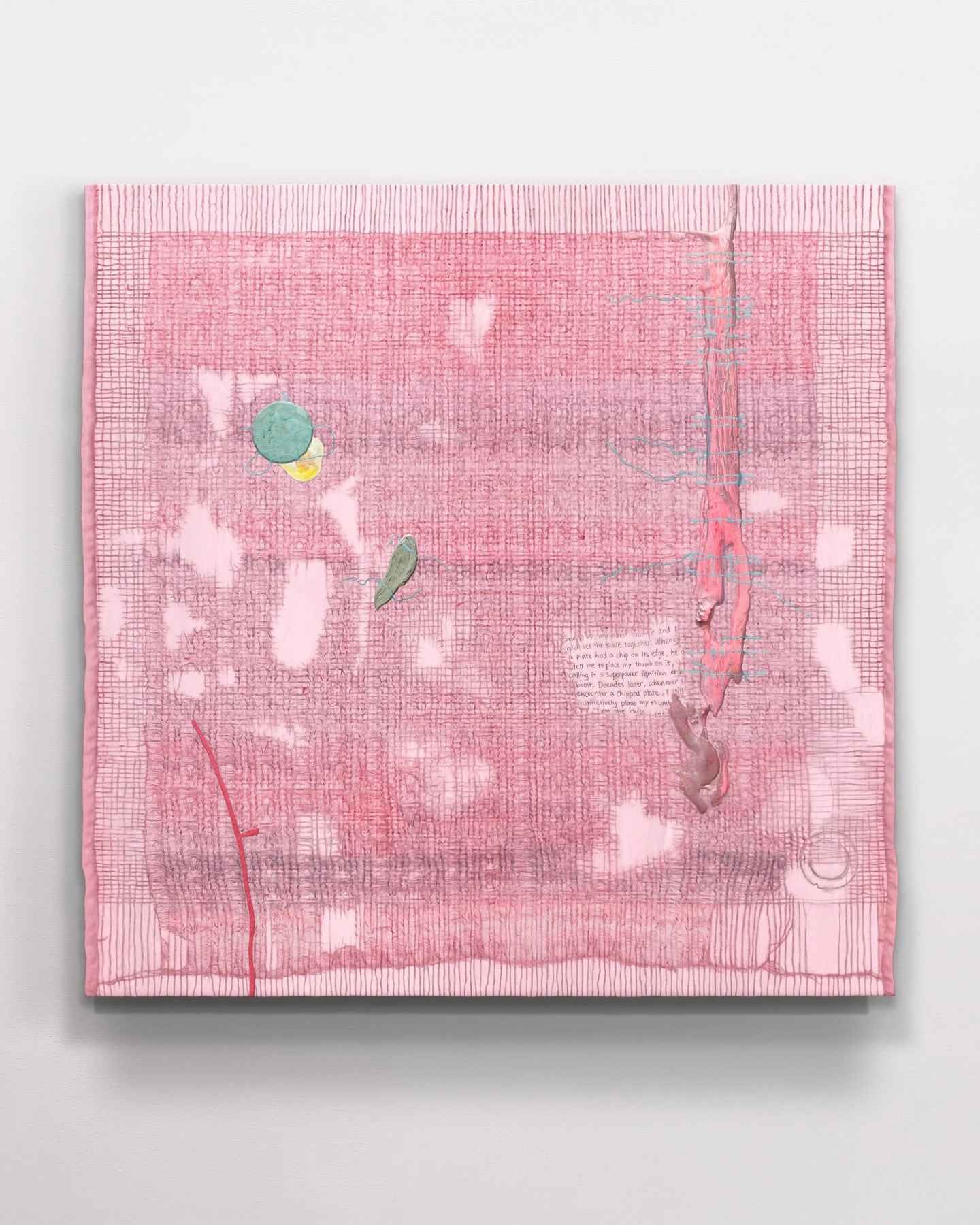
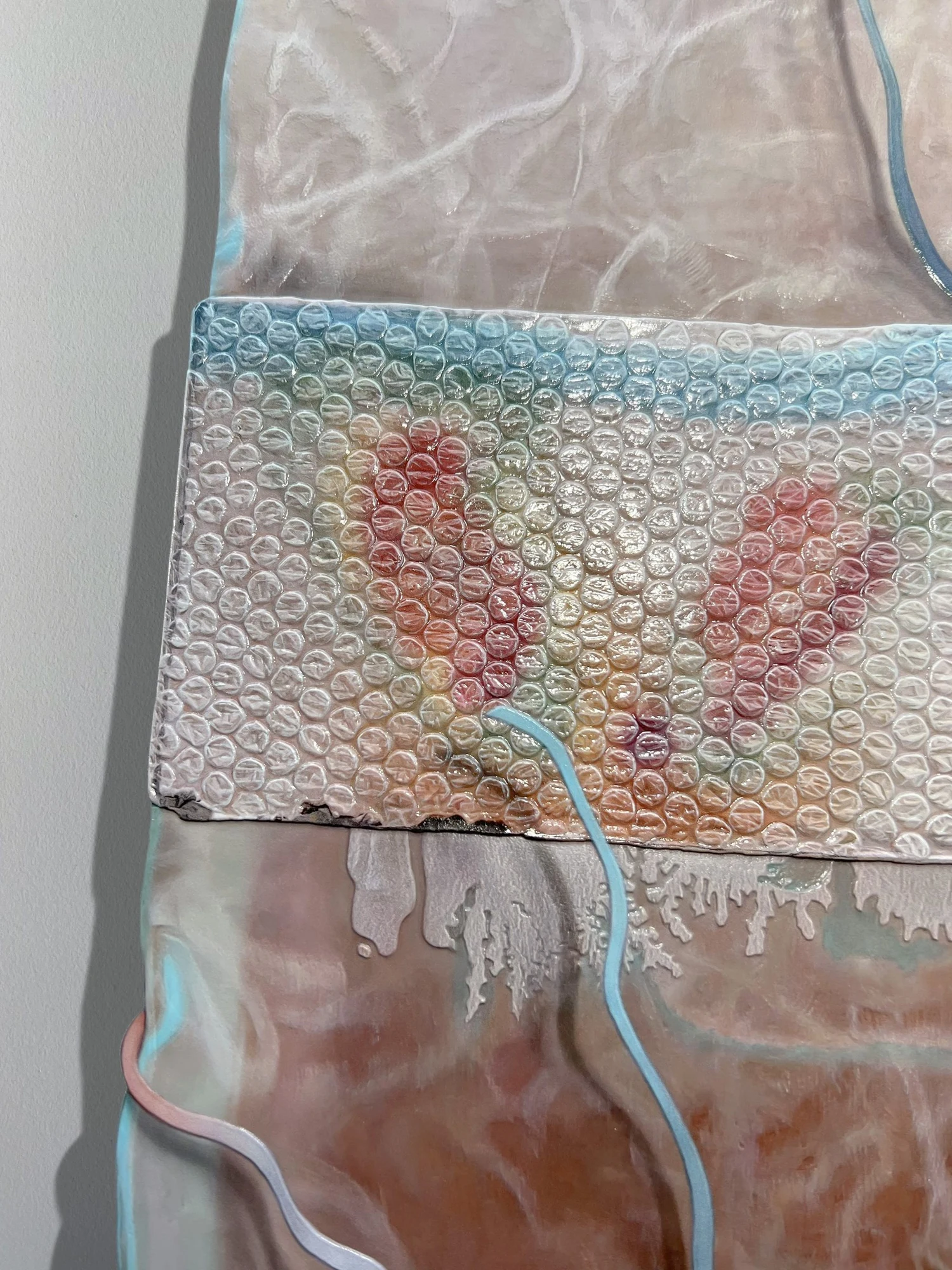
Zhang’s practice begins with ordinary fragments from her immediate surroundings – a knitted sweater, a plastic shower curtain, metal wire, grass, or a chipped wall. These objects are uploaded into virtual space, where their distinct material qualities are flattened into the unifying code of pixels. Just as painting historically translated the visible world through pigment, the screen metabolizes these radically different forms of matter, rendering them temporarily equivalent as data.
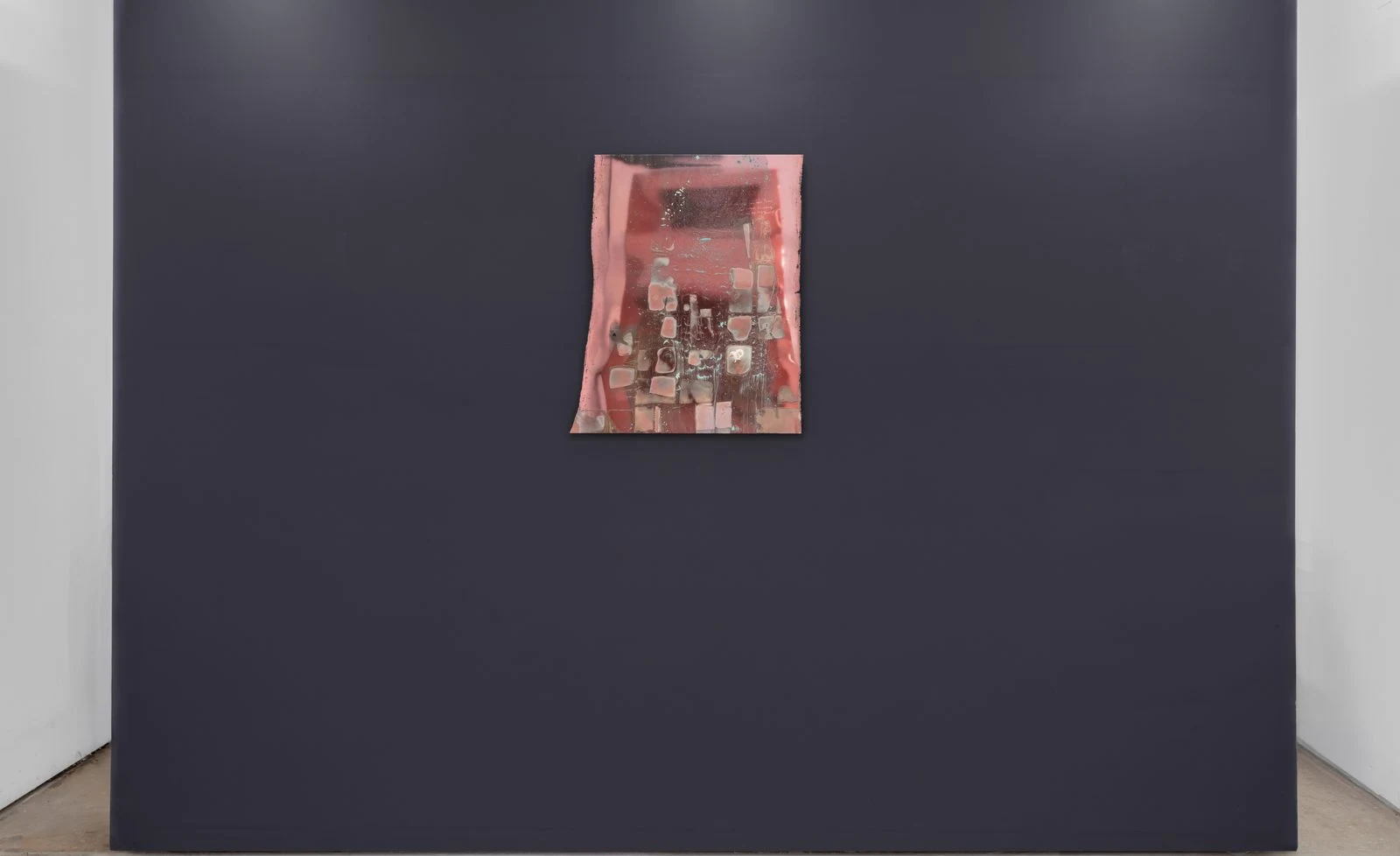
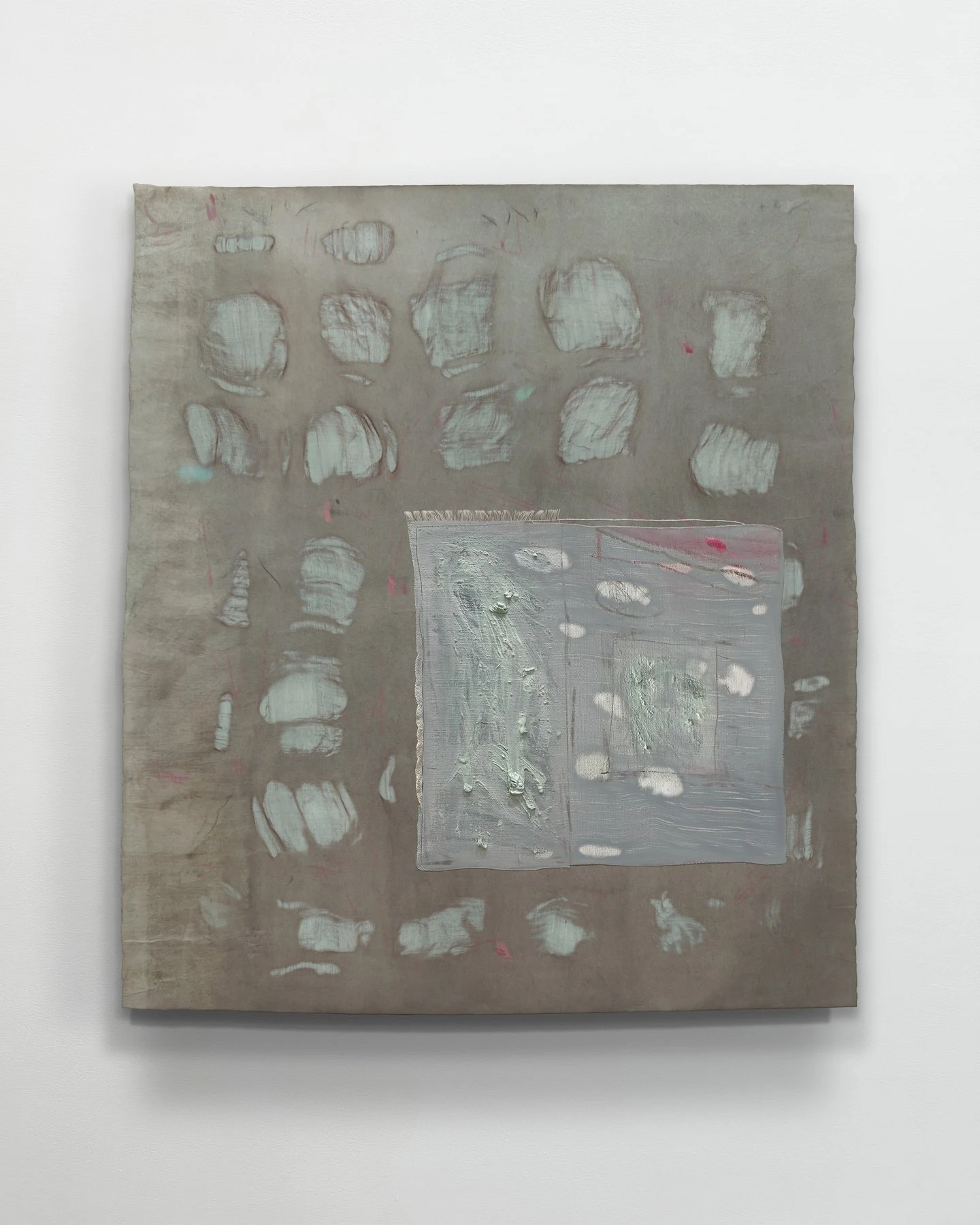
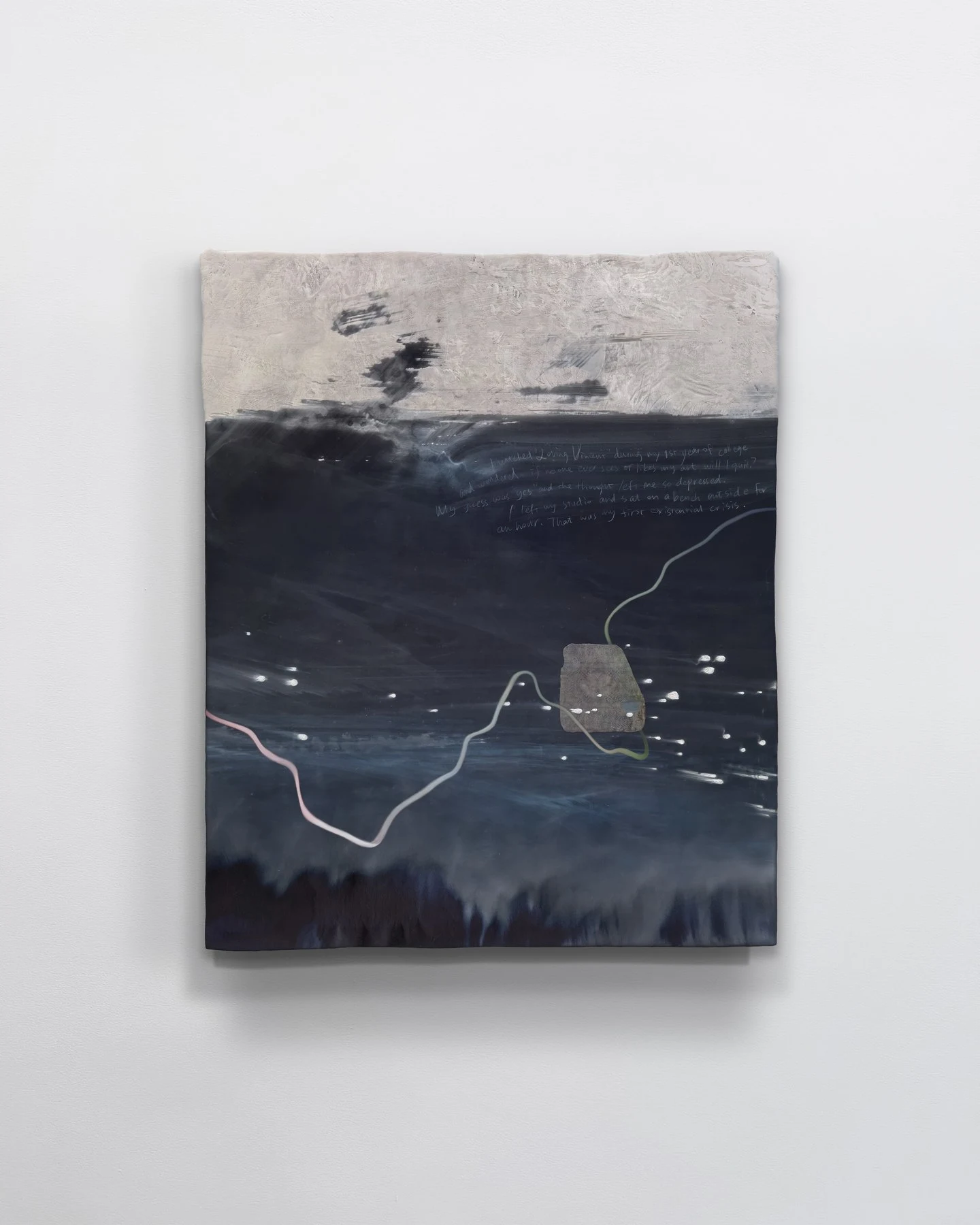
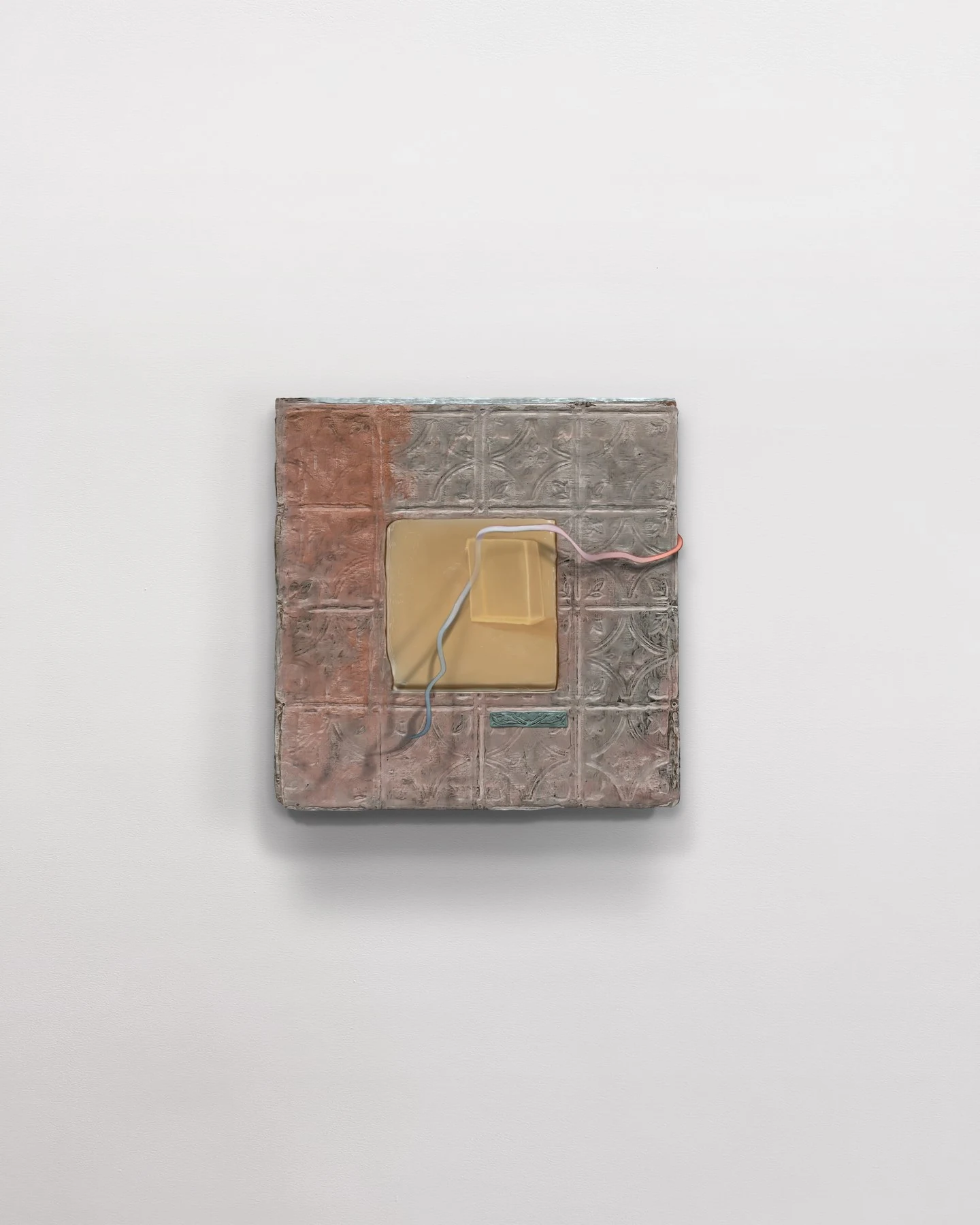
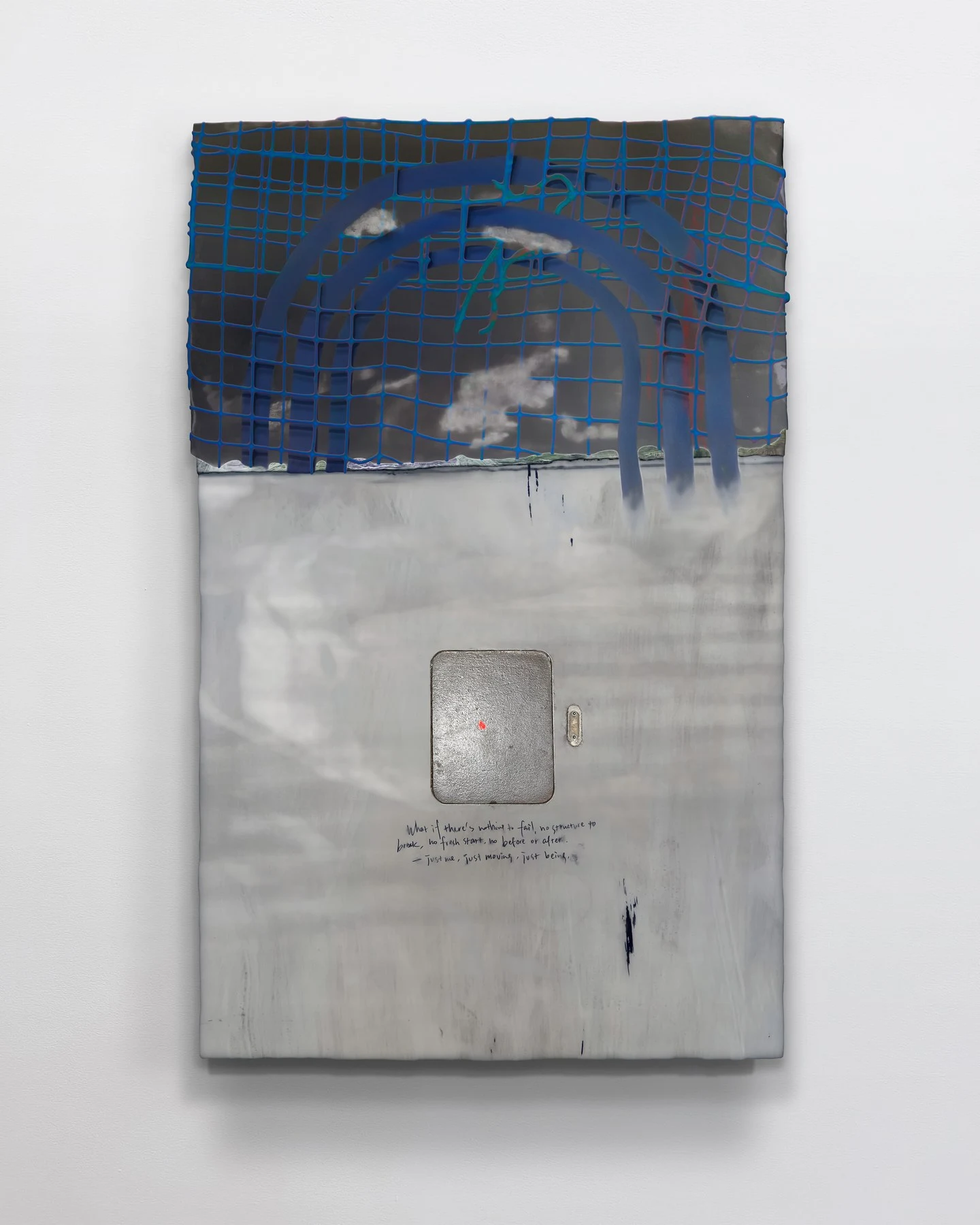
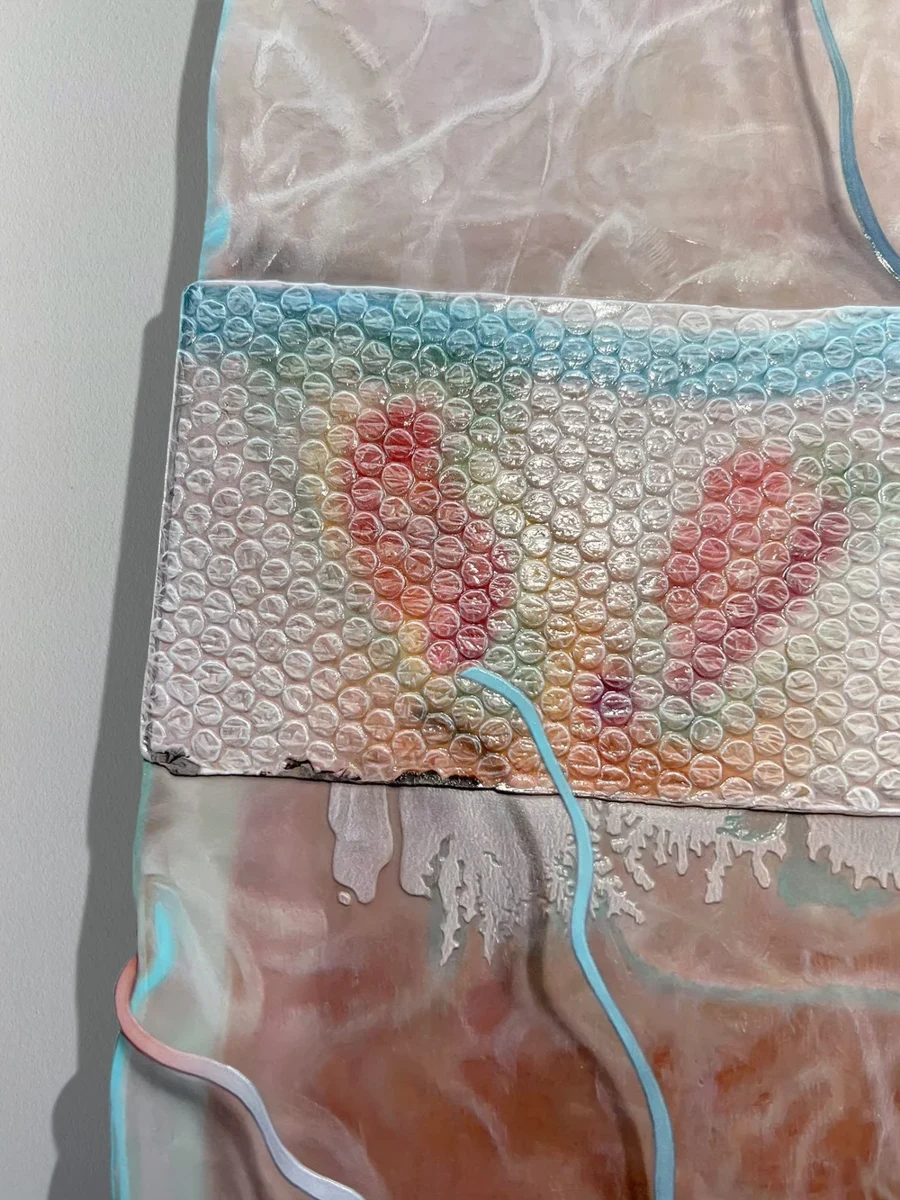
Yet Zhang refuses to let the image remain within the frictionless architecture of the screen. Using robotic fabrication technology developed in collaboration with Canon Solutions, she translates digital images and three-dimensional meshes into topographical surfaces. These machine-produced structures are subsequently adjusted and painted by hand with oil pigment, pearl powder, epoxy clay, and other materials. The machine establishes the image’s architecture; the artist’s hand gives it friction, instability, and skin.
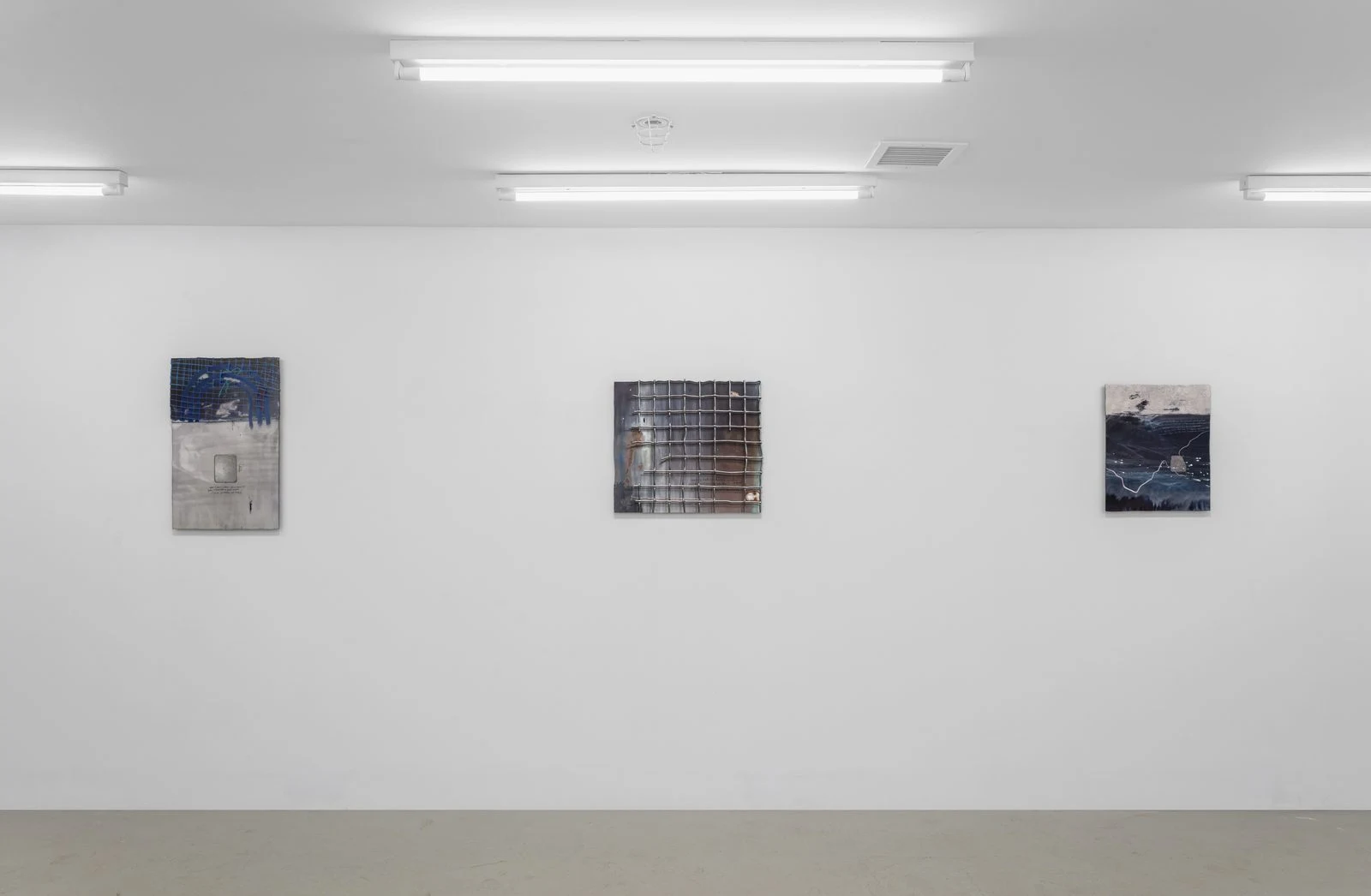
The resulting works hover between painting and technology. From a distance, they retain the visual seduction of digital images: luminous color and artificial sharpness. At close range, however, their surfaces begin to resist the screen’s promise of seamlessness. Pixels protrude from the picture plane. Gradients become ridges. Compression becomes texture. In this space, the robotic and the painterly do not fight each other; instead, they produce a hybrid form belonging entirely to neither system. As the image moves from object to data to physical relief, it acquires a distinct material presence.
Zhang describes this condition as a form of “screen-native materiality”: matter shaped by the visual logic of digital technology but no longer confined to the digital realm. Her Data-Body Paintings do not present the physical and virtual as opposing worlds. Instead, they reveal how deeply the two have already entered one another. The screen reorganizes our perception of physical matter, while matter exposes the limits of the screen’s apparent perfection.
The exhibition therefore asks what “flesh” might mean in a screen-mediated world. It is not limited to the biological body. Flesh becomes any surface capable of carrying sensation, pressure, memory, and transformation. Polymer becomes flesh. Pigment becomes flesh. In leaving the screen, the pixel gains depth, weight, and friction. It becomes flesh.
About the Artist
Ziyi Zhang (b. 1999, Beijing) is a cross-disciplinary artist based between Chicago, New York, and Beijing. She received her BFA, with a minor in Philosophy, from Washington University in St. Louis in 2021 and her MFA in Painting and Drawing from the School of the Art Institute of Chicago in 2023.
Her work has been exhibited at venues including Nguyen Wahed, MAMA Projects, and Plexus Projects in New York; Levant Art in Shanghai; OneArt Gallery and Bonian Space in Beijing; and Twelve Ten Gallery in Chicago. Her practice has been featured in Artnet, Chicago Reader, Digital America, Floor Magazine, Tussle, and Visual Atelier 8, among others.
Installation views
1 / 3
Installation view, PIXEL//FLESH, LATITUDE Gallery. Courtesy of the artist.Installation view, PIXEL//FLESH, LATITUDE Gallery. Courtesy of the artist.Installation view, PIXEL//FLESH, LATITUDE Gallery. Courtesy of the artist.
Works in the exhibition
Ziyi Zhang09/12/2024, 2026UV-polymer extrusion, oil, and epoxy clay on clay board22 × 25 in | 55.9 × 63.5 cmZiyi Zhang06/07/2024 Loving Vincent, 2026UV-polymer extrusion, oil, and pearl powder on clay board17 × 21 in | 43.2 × 53.3 cmZiyi Zhang07/04/2024, 2025UV-polymer extrusion and oil on clay board12 × 12 in | 30.5 × 30.5 cmZiyi Zhang02/25/2024 dissolving forms, 2026UV-polymer extrusion and oil on clay board23.5 × 28 in | 59.7 × 71.1 cmZiyi Zhang02/16/2025 光体生命, 2026UV-polymer extrusion and oil on clay board24.5 × 22 in | 62.2 × 55.9 cmZiyi Zhang10/17/2025 no structure no break, 2026UV-polymer extrusion, oil, and epoxy clay on clay board18 × 28 in | 45.7 × 71.1 cmZiyi Zhang06/27/2025 麻雀, 2026UV-polymer extrusion and oil on clay board22.5 × 20.5 in | 57.2 × 52.1 cmZiyi Zhang06/16/2025, 2026Robotic UV-polymer extrusion and oil on clay board14 × 12.5 in | 35.6 × 31.8 cmZiyi Zhang05/24/2024 chipped plate, 2026UV-polymer extrusion and oil on clay board24 × 24 in | 61 × 61 cm
August 27 – September 6, 2026 · Opening reception August 27, 6–9 PM
Role
Curator
Installation views
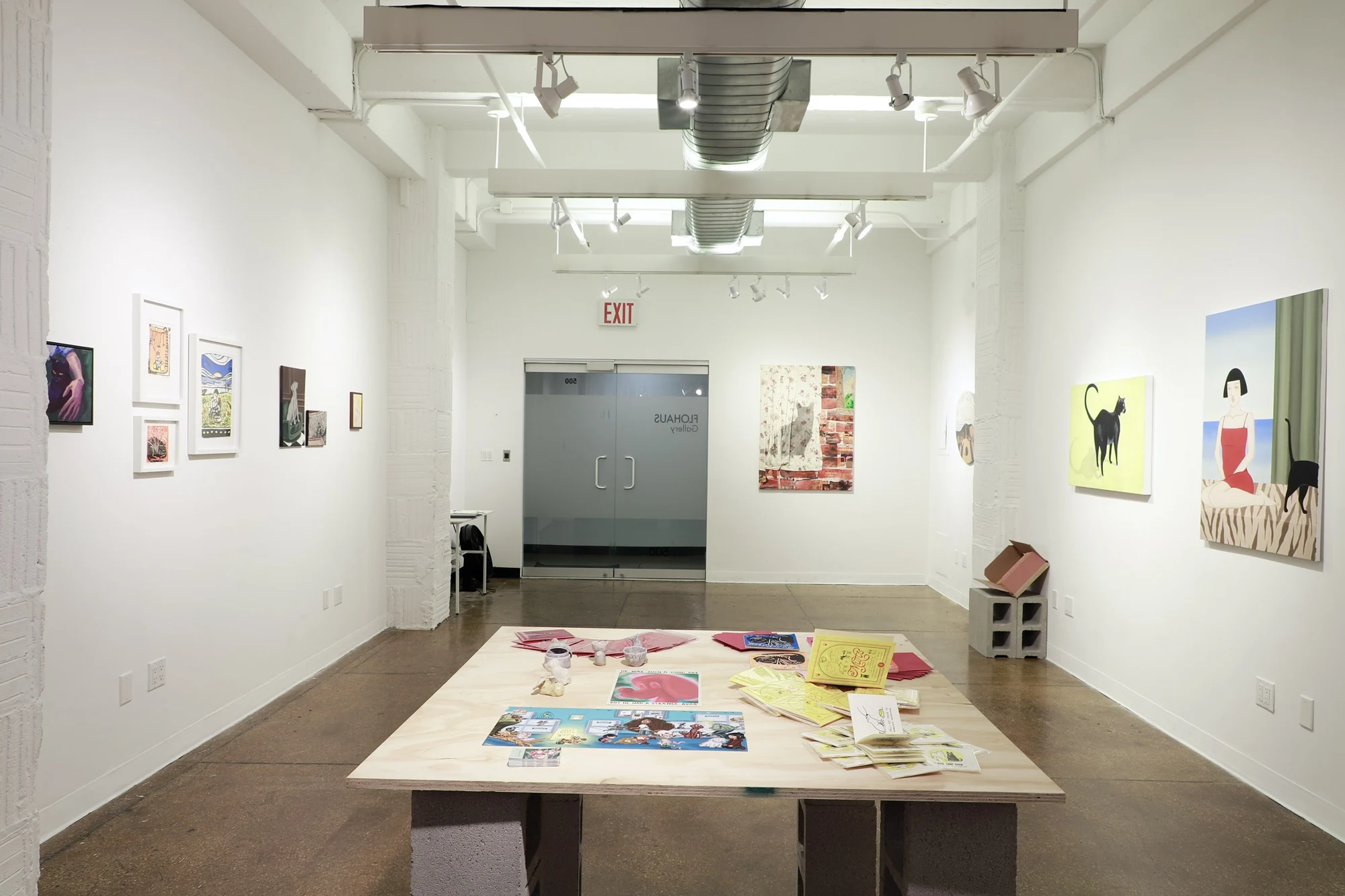
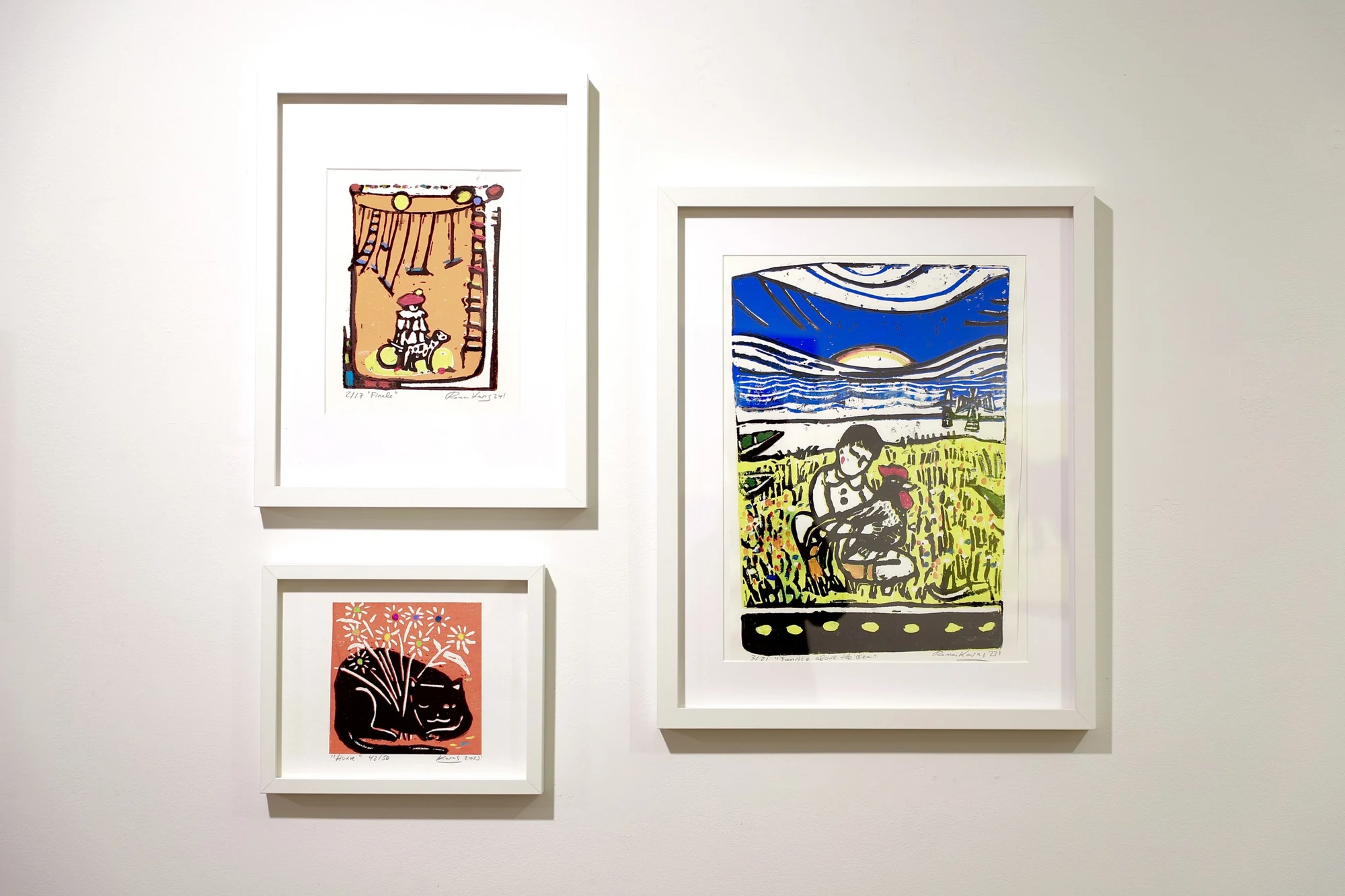
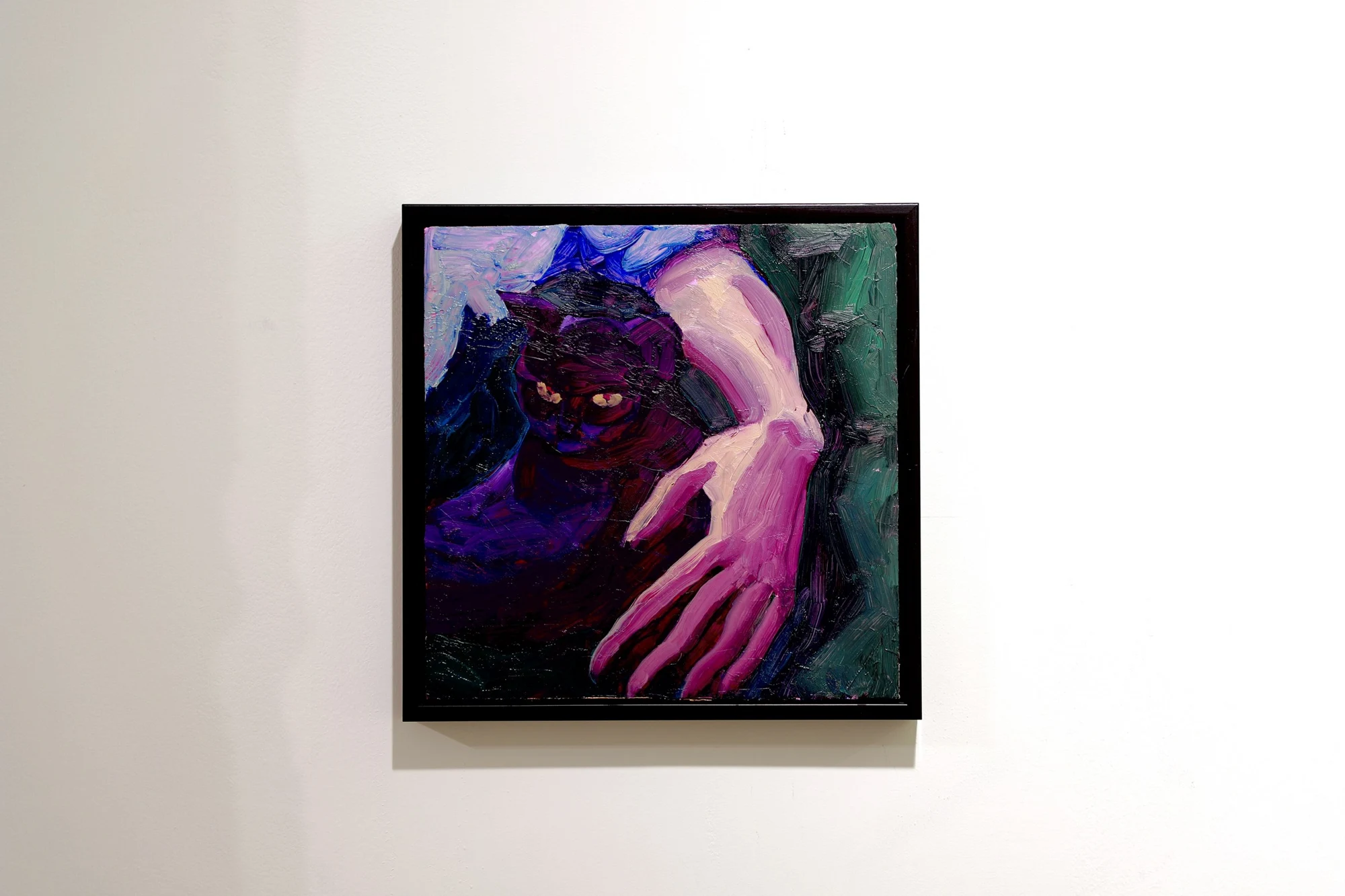
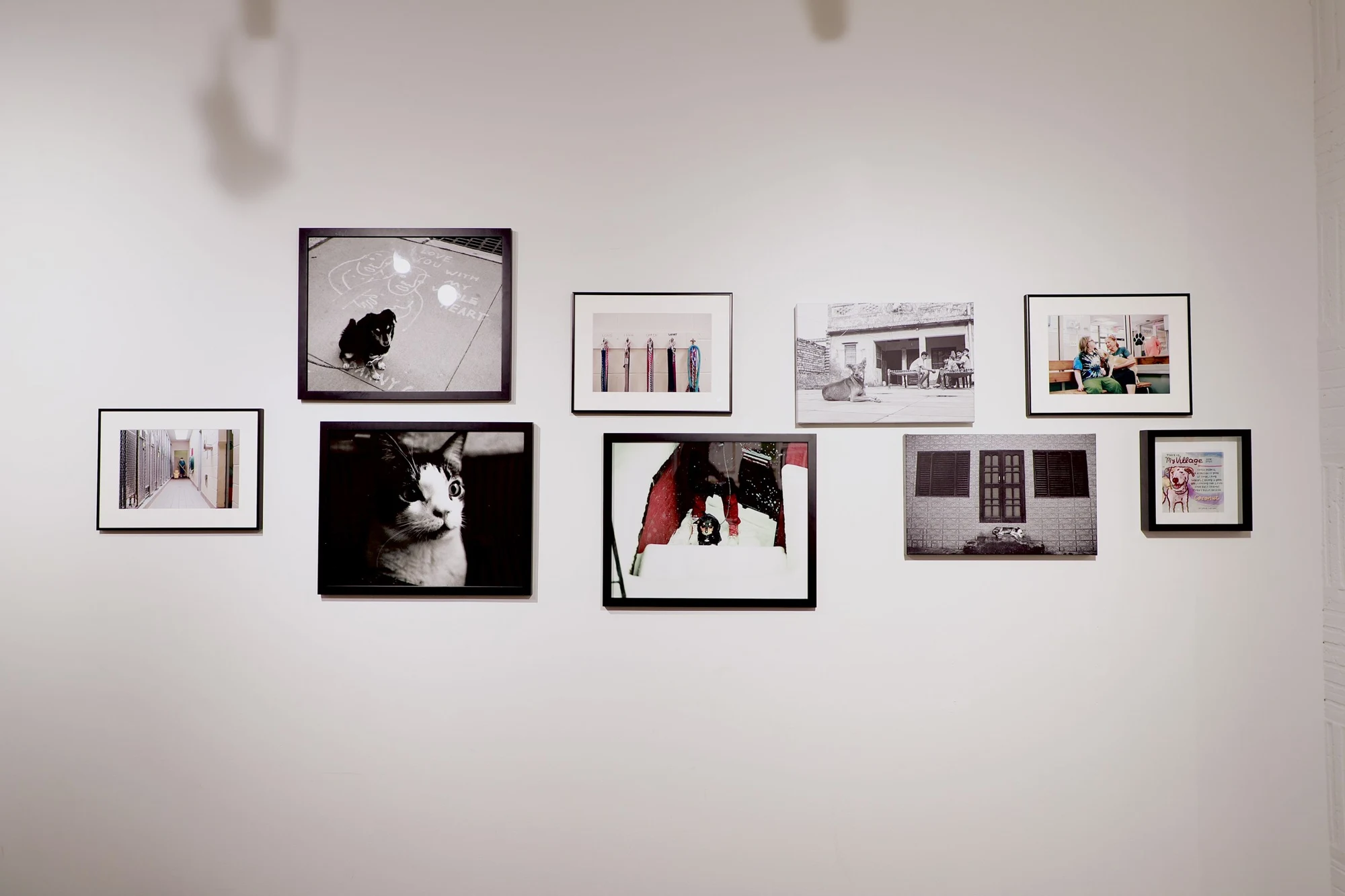
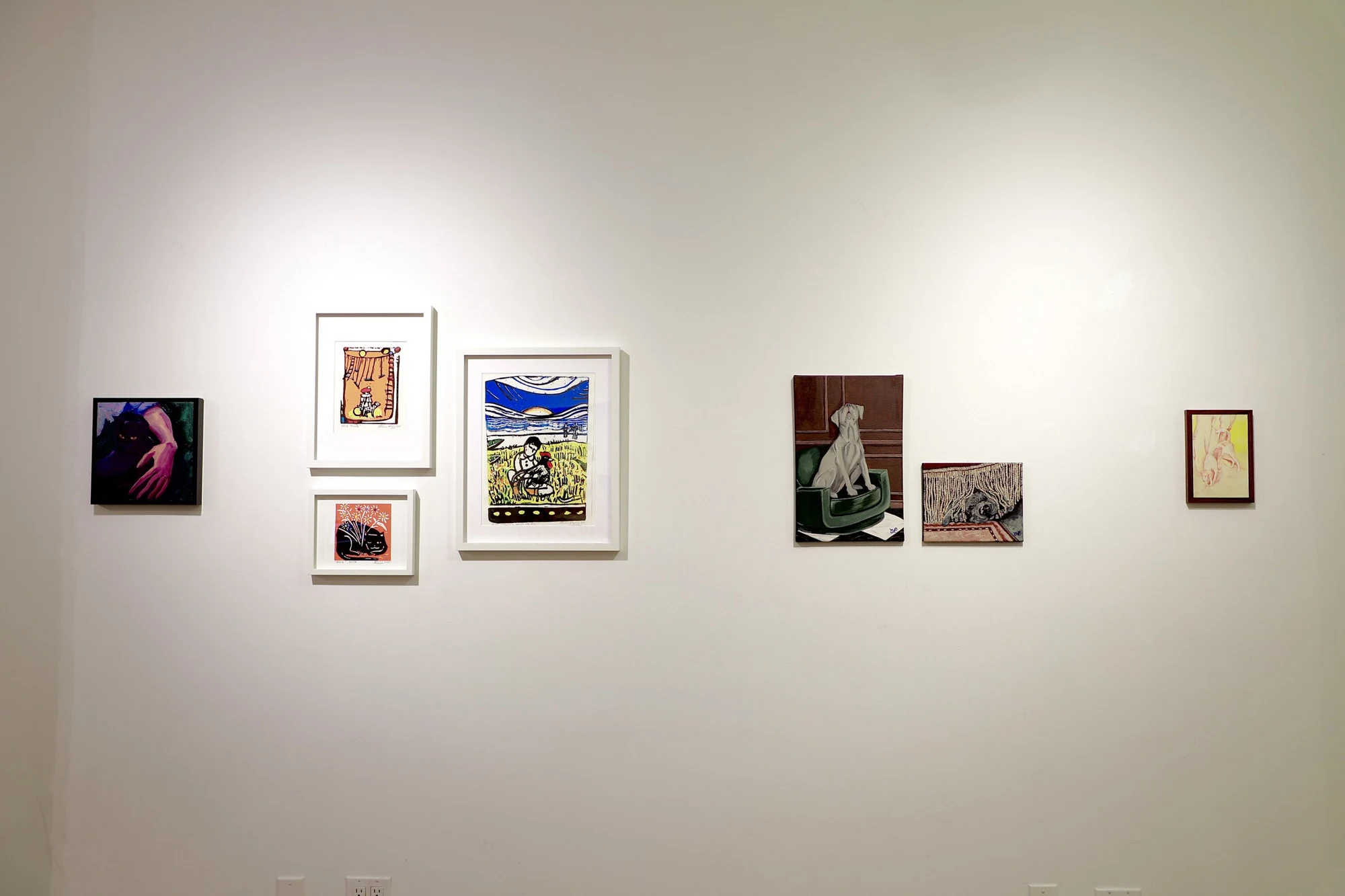
Installation view, A Home Together, FLOHAUS Gallery. Courtesy of the artists.Installation view, A Home Together, FLOHAUS Gallery. Courtesy of the artists.Installation view, A Home Together, FLOHAUS Gallery. Courtesy of the artists.Installation view, A Home Together, FLOHAUS Gallery. Courtesy of the artists.Installation view, A Home Together, FLOHAUS Gallery. Courtesy of the artists.Installation view, A Home Together, FLOHAUS Gallery. Courtesy of the artists.Installation view, A Home Together, FLOHAUS Gallery. Courtesy of the artists.Installation view, A Home Together, FLOHAUS Gallery. Courtesy of the artists.Installation view, A Home Together, FLOHAUS Gallery. Courtesy of the artists.Installation view, A Home Together, FLOHAUS Gallery. Courtesy of the artists.Installation view, A Home Together, FLOHAUS Gallery. Courtesy of the artists.Installation view, A Home Together, FLOHAUS Gallery. Courtesy of the artists.Installation view, A Home Together, FLOHAUS Gallery. Courtesy of the artists.Installation view, A Home Together, FLOHAUS Gallery. Courtesy of the artists.Installation view, A Home Together, FLOHAUS Gallery. Courtesy of the artists.Installation view, A Home Together, FLOHAUS Gallery. Courtesy of the artists.Installation view, A Home Together, FLOHAUS Gallery. Courtesy of the artists.Installation view, A Home Together, FLOHAUS Gallery. Courtesy of the artists.
Press release
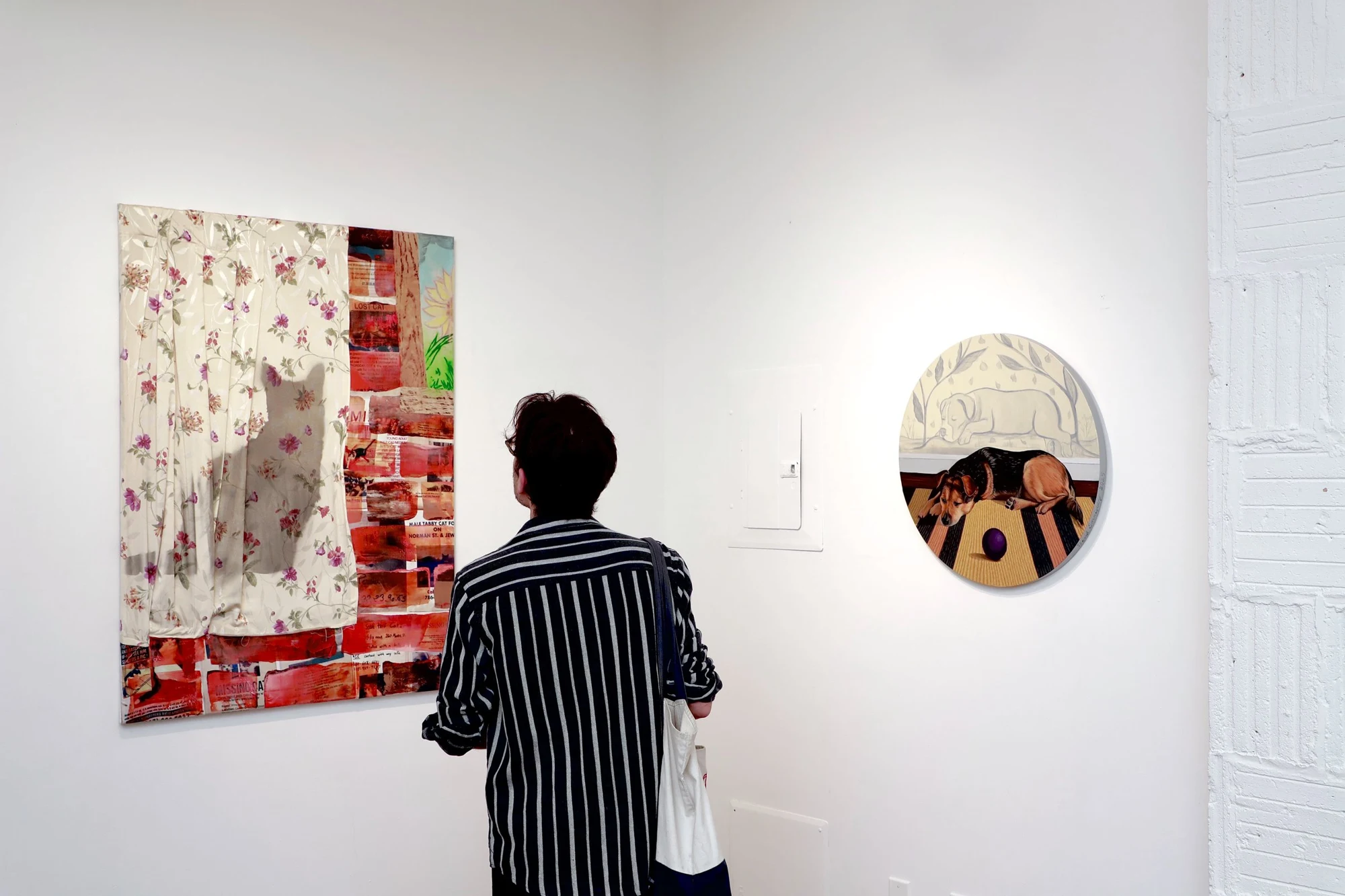
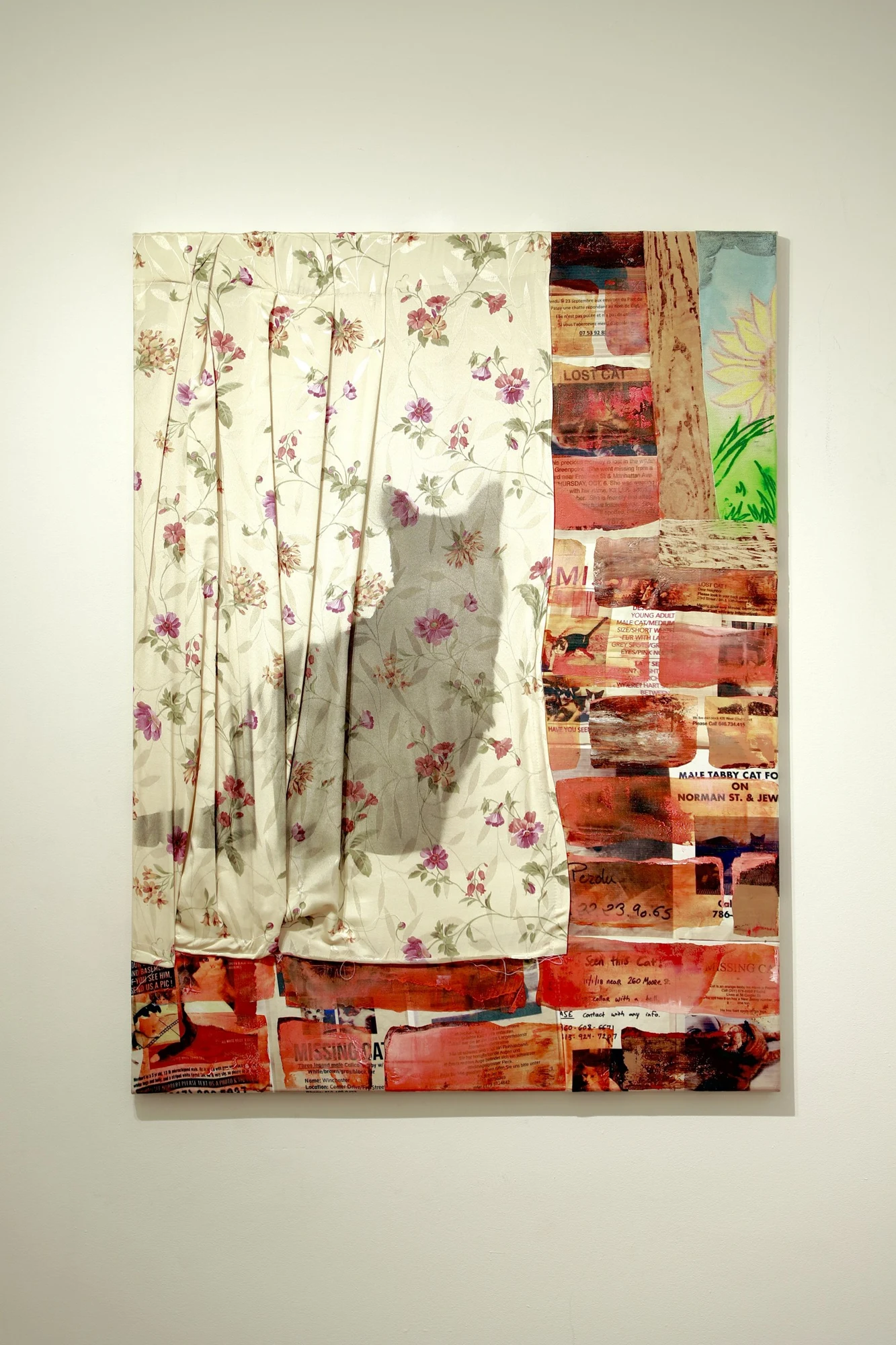
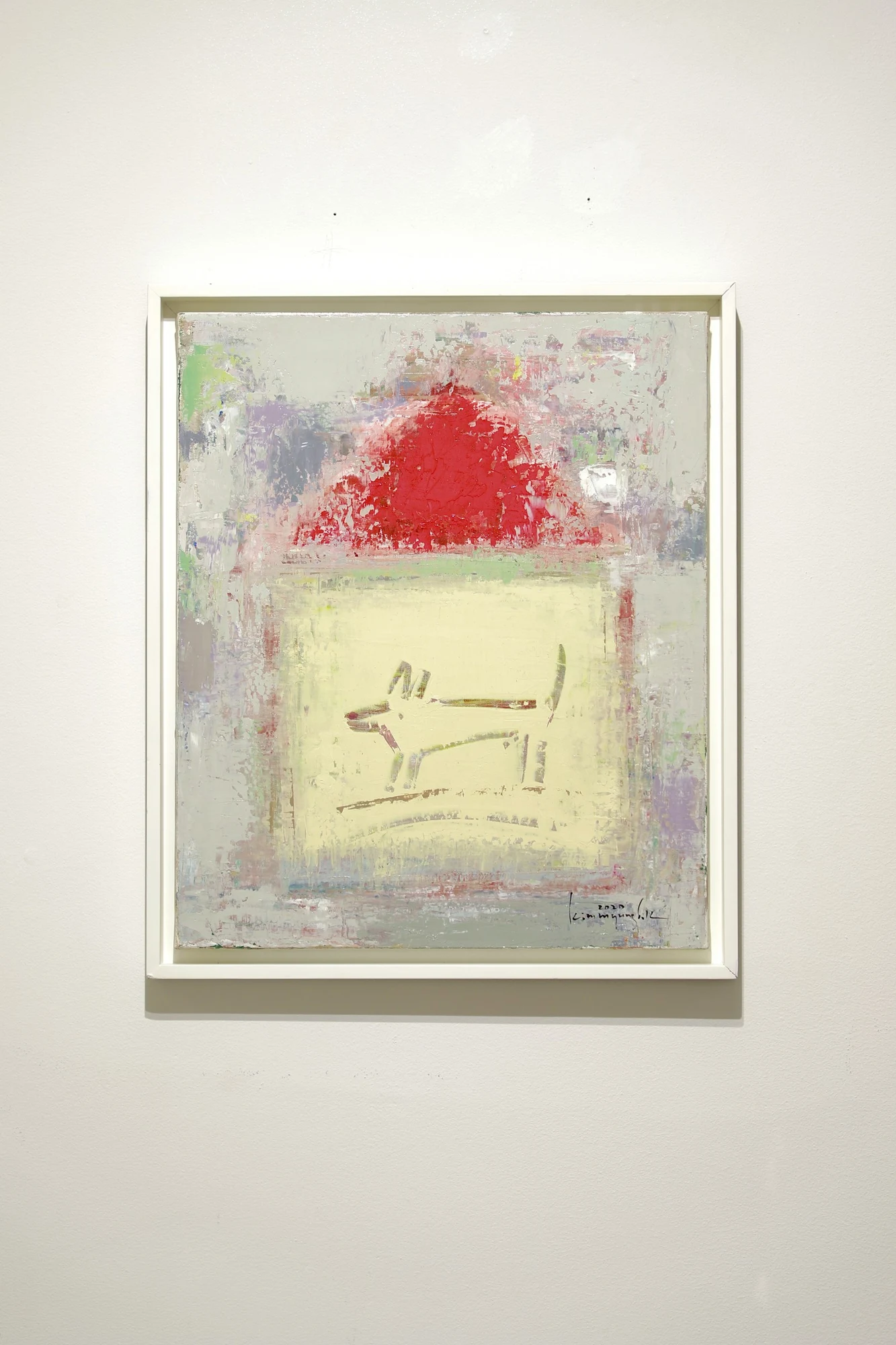
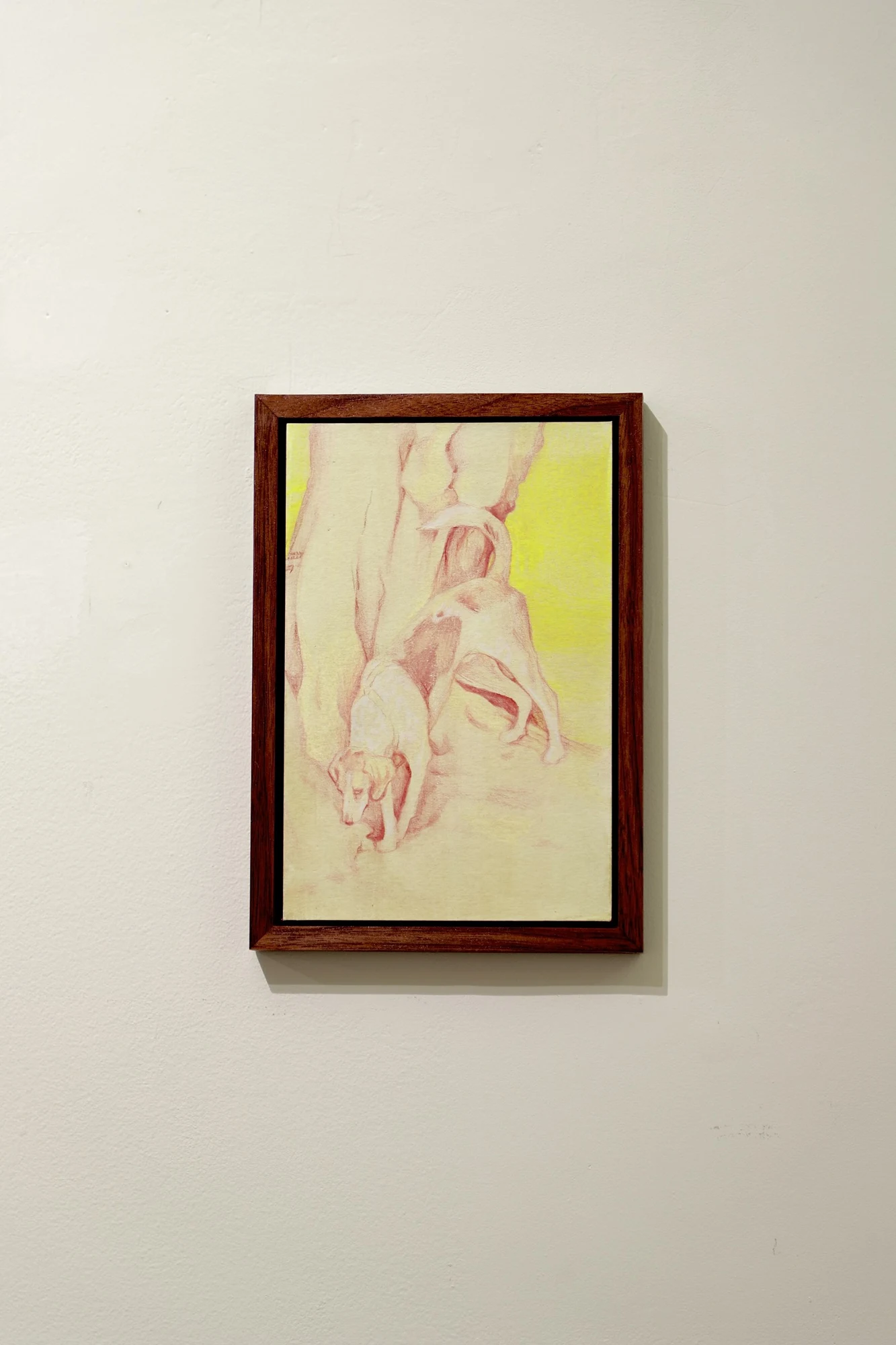
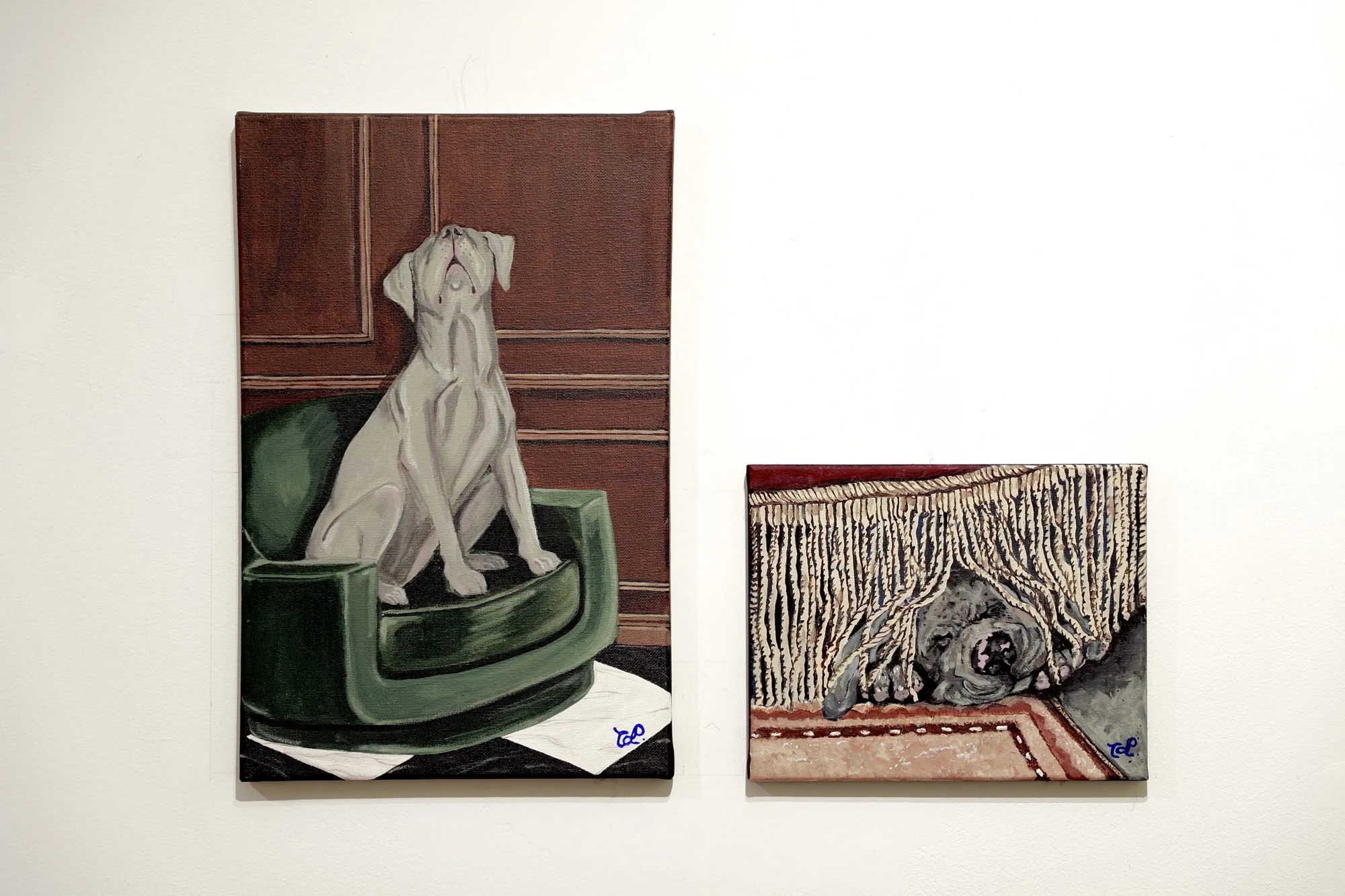
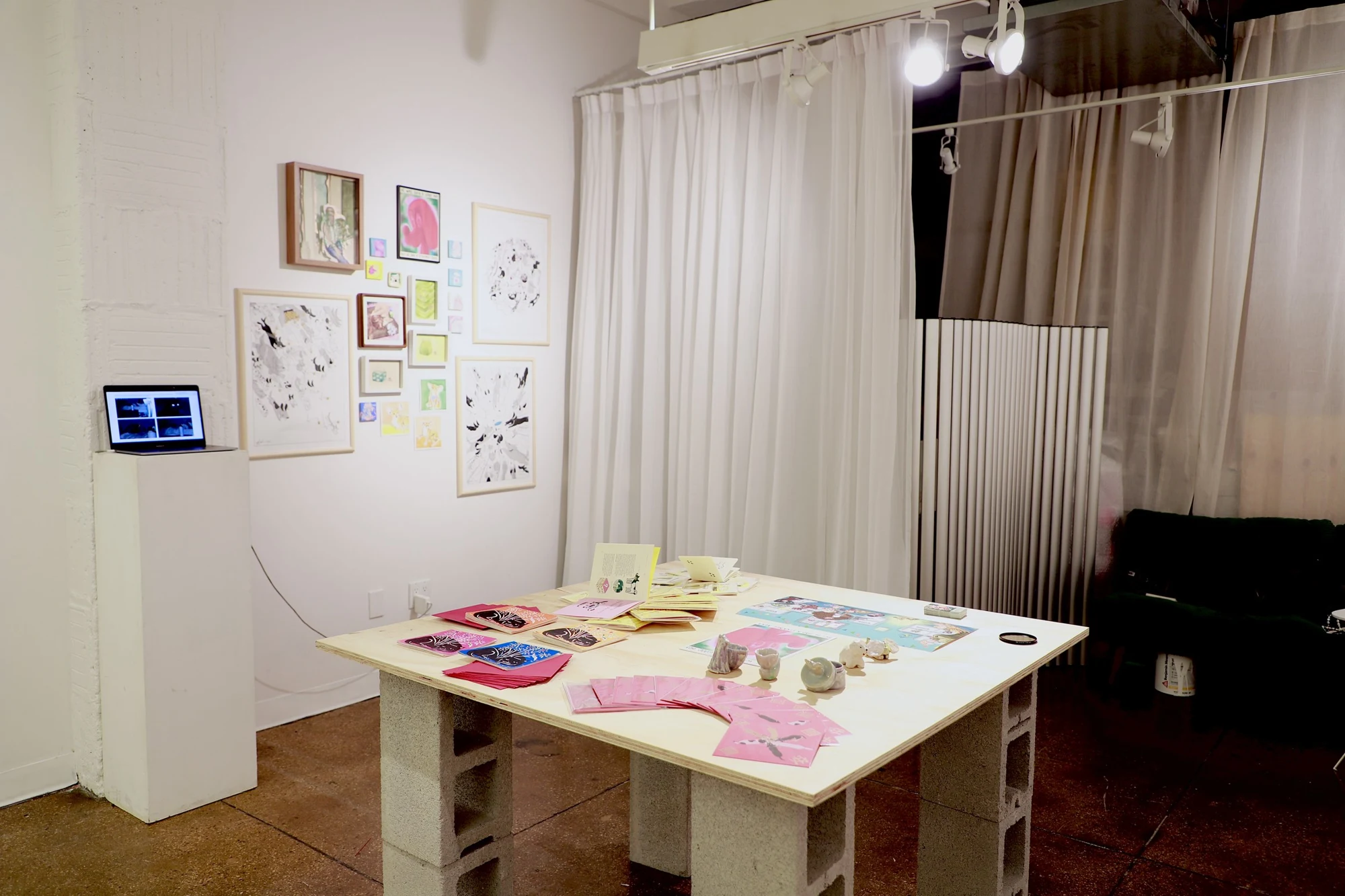
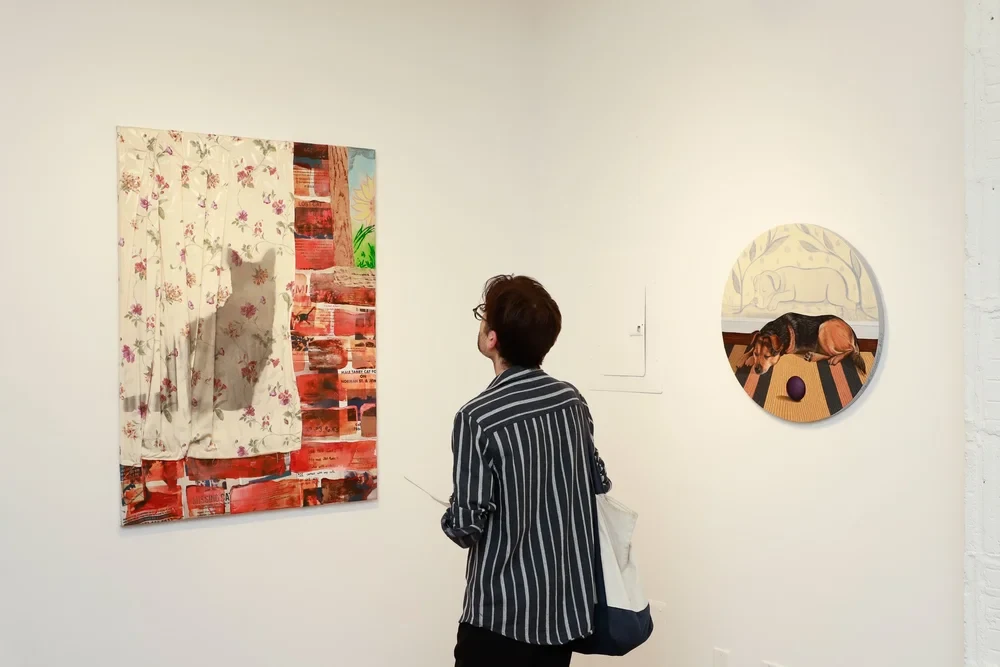
NEW YORK, NY - FLOHAUS Gallery is pleased to present A Home Together, a group exhibition and salon presentation exploring relationships between humans and animals through companionship, care, rescue, vulnerability, coexistence, and belonging. Presented in connection with International Homeless Animals Day, the exhibition brings together painting, photography, sculpture, ceramics, textiles, works on paper, illustration, printmaking, digital media, and mixed-media practices.
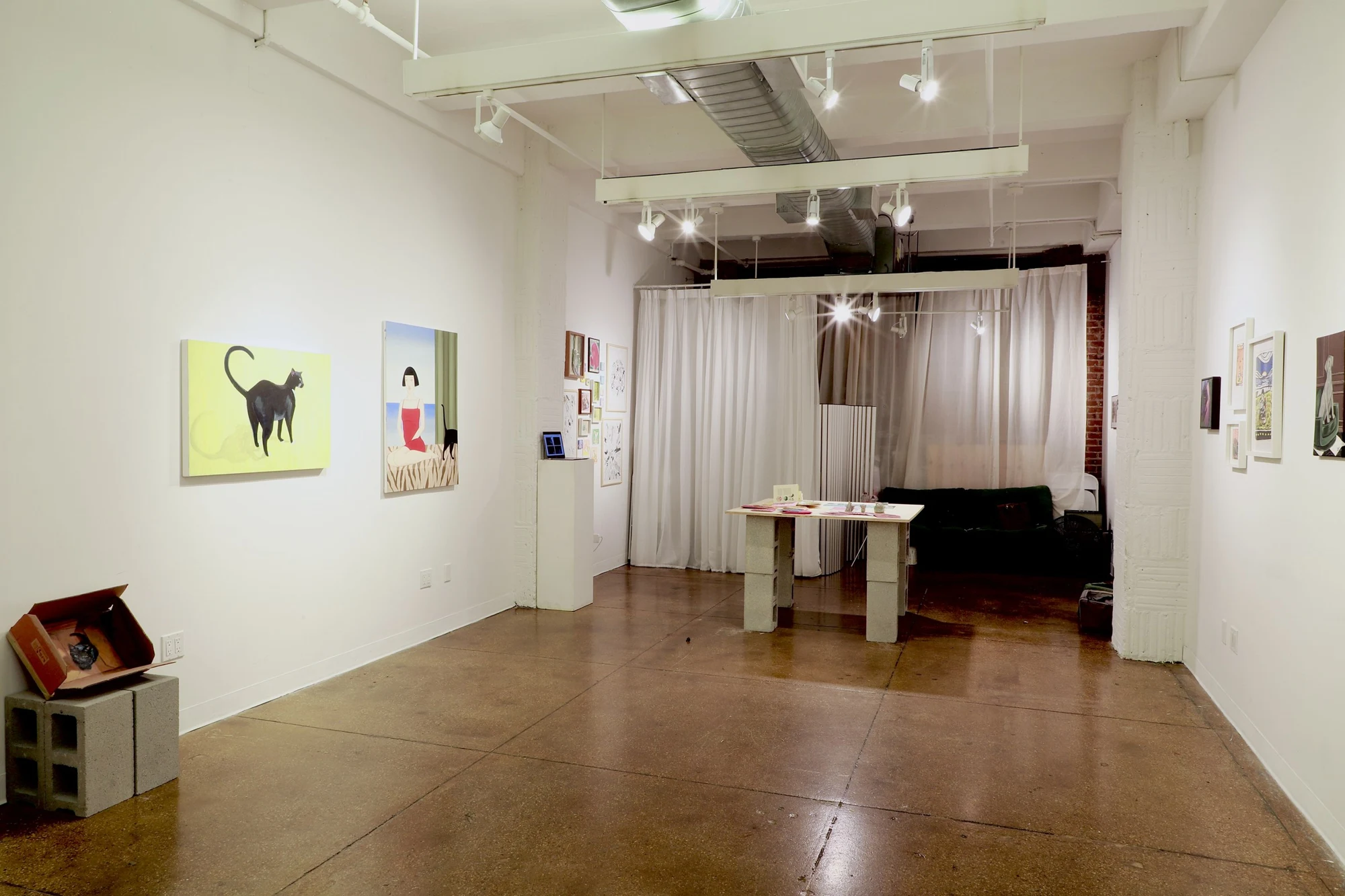
At its core, A Home Together considers what it means to warm encounters, establish trust, and create a sense of home across relationships. For a stray animal, home may begin as a cardboard box, a warm corner near a storefront, a patch of sunlight on the pavement, or the moment someone stops, notices, and chooses not to walk away. The exhibition presents home as a warm concept continually created through attention, responsibility, freedom, compassion, and emotional connection.
The exhibition unfolds in two interconnected parts: Encounters - Group Exhibition and Home Together - Salon Presentation that offer two distinct but equally important ways of experiencing the works.
I. ENCOUNTERS
Encounters is an exhibition that presents warm encounters between humans and animals around care, memory, rescue, grief, trust, and the emotional bonds. The exhibition brings works and stories of Sammy Bennett, David Enriquez, Chandra Fang, Kim Myung-sik, Luigi Mallozzi, Kylie McLaughlin, Kristine van Ingen, and The Dog Obsession (Andi and Paulina) to express the heartmoving connection with their animal family members.
To consider abandonment, survival, rescue, adoption, grief, and the acts of care through which a place becomes a home. For an animal living without shelter, home may begin as a cardboard box beneath an awning, a warm corner near a storefront, a patch of sunlight on the pavement, or a narrow opening in a forgotten building. These lives unfold within the same cities as ours, yet often remain unseen. Once a lovely present enters one another’s life, a warm story begins, and a home is built by love. A Home Together begins when that love encounters someone who stops, notices, chooses not to walk away, and shares love and home.
II. HOME TOGETHER - Salon Presentation
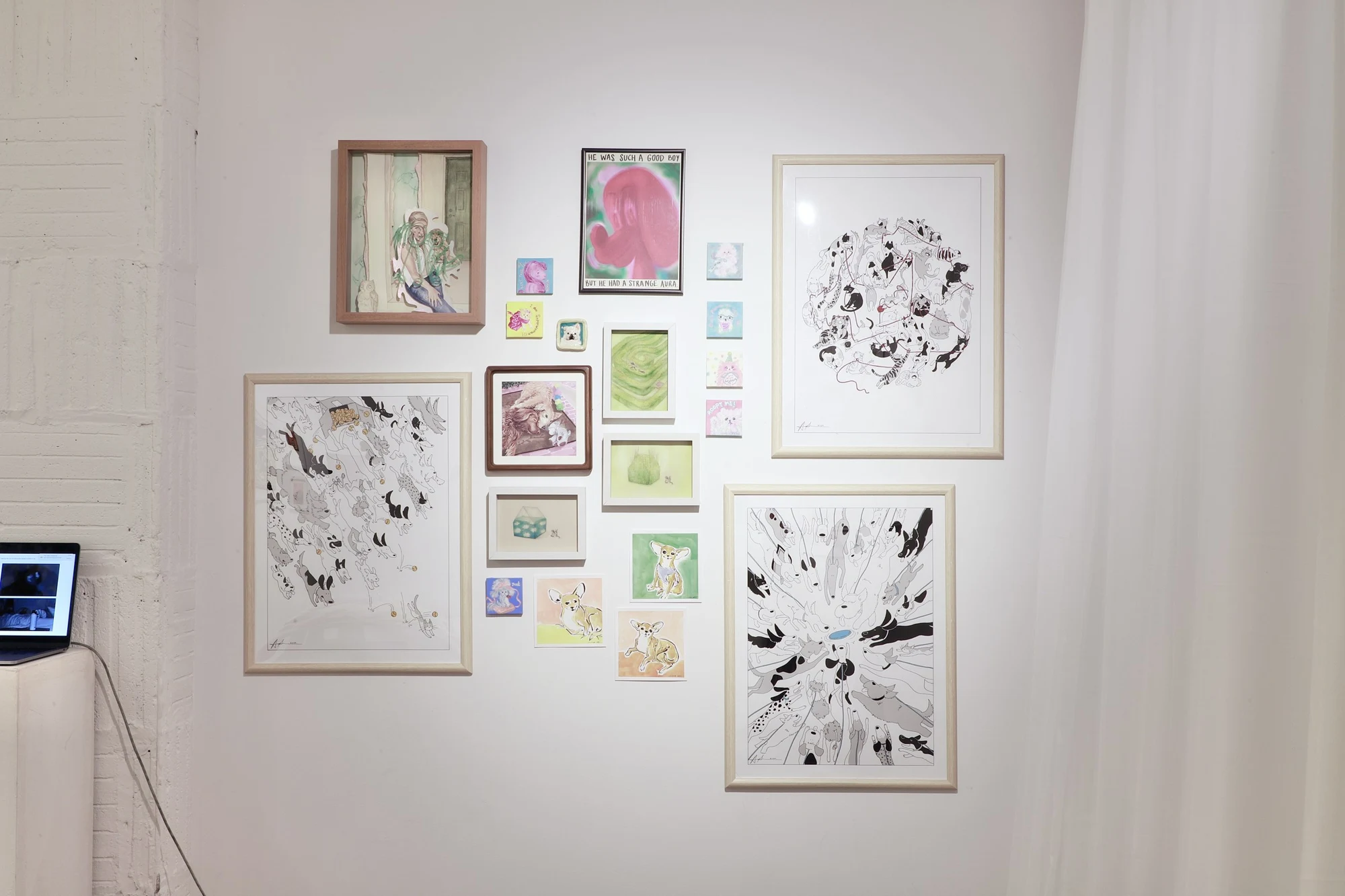
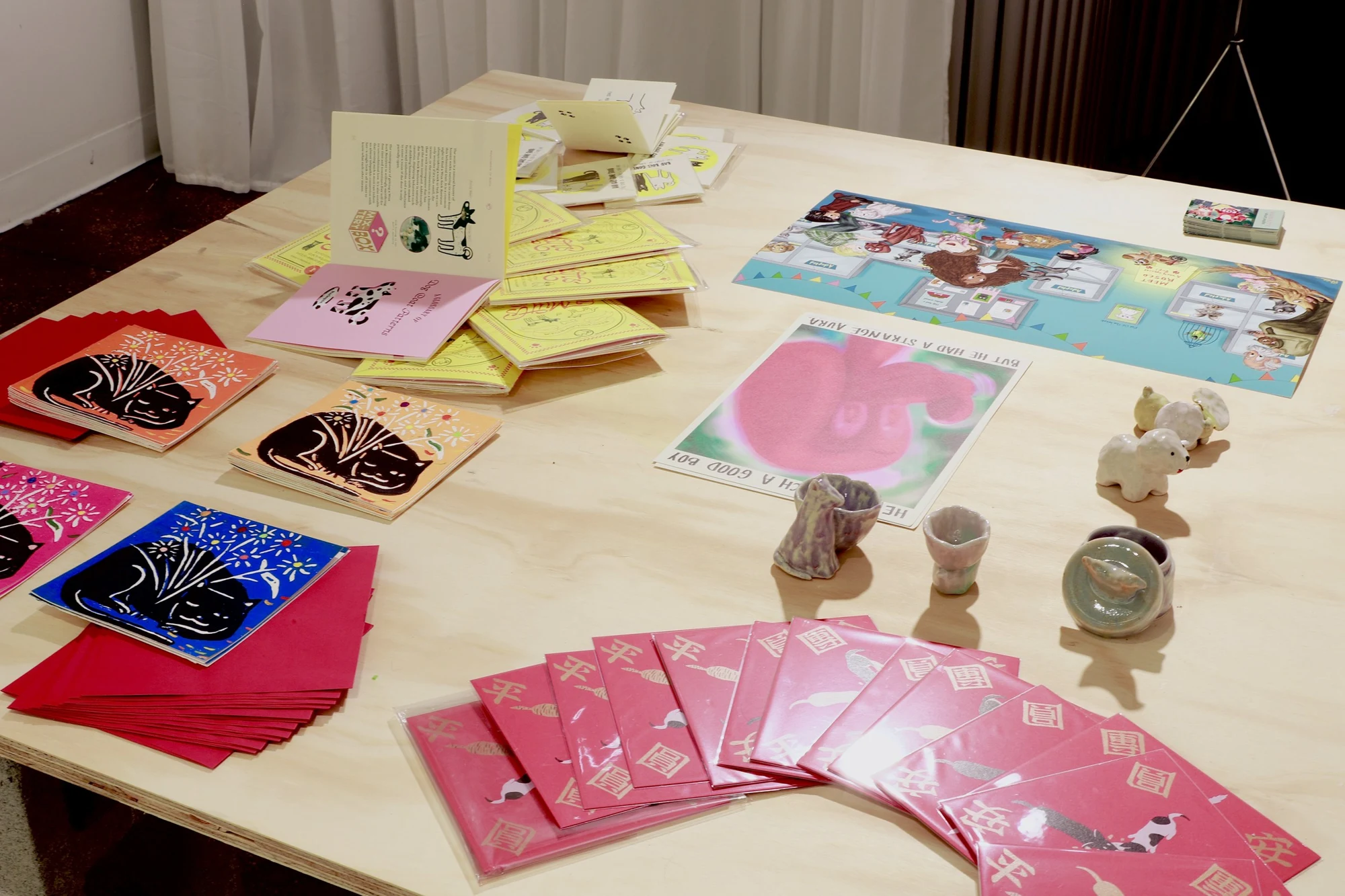
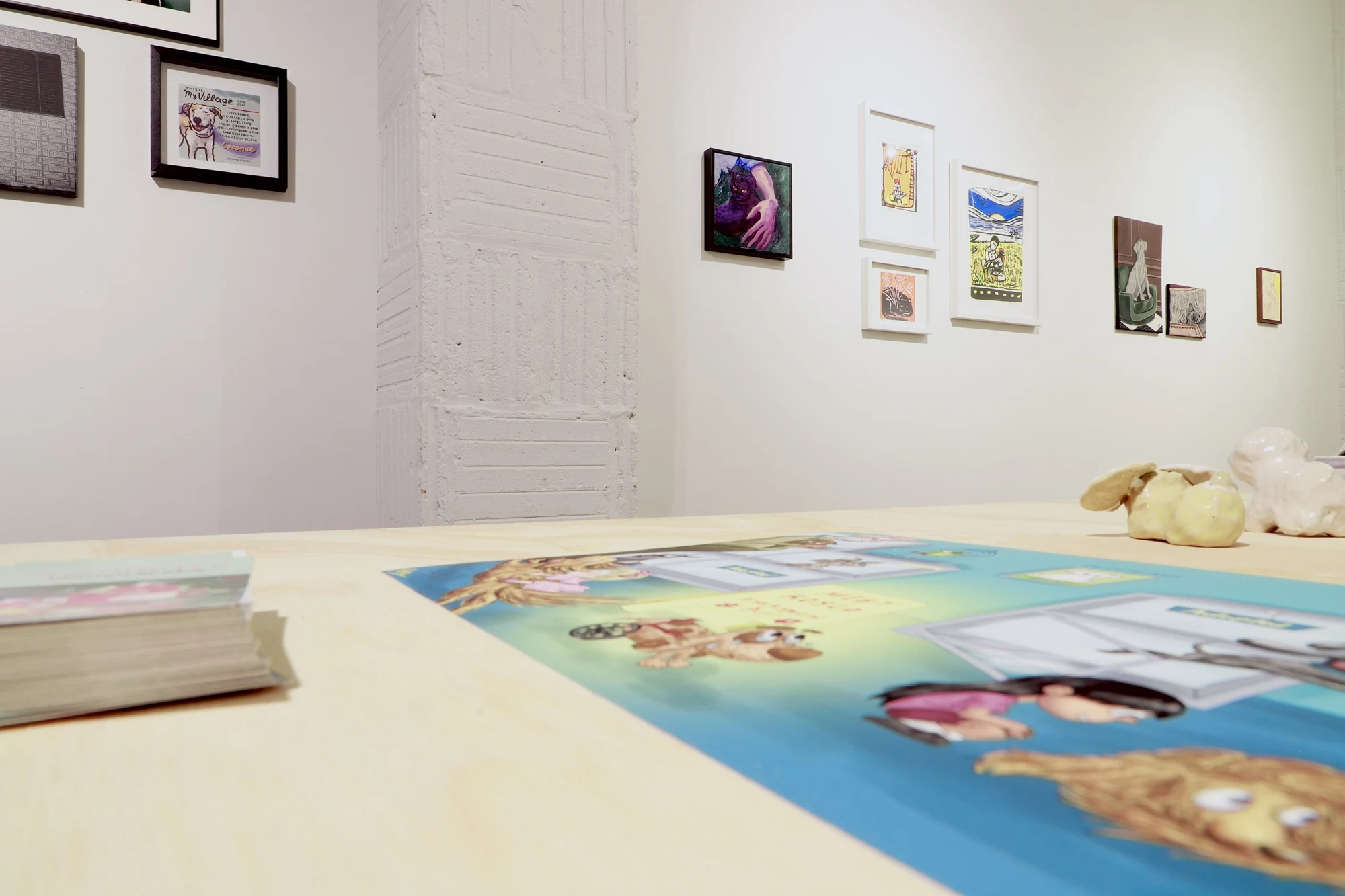
While Encounters creates space for contemplation, Home Together shifts into a more intimate and abundant salon-style environment. The salon presentation includes works of Ming Chang, Emily Chao, Cindy Chen, Christine Chiang, Sophia Collender, Rhea Dias, DIKSHANT, Sherly Fan, Cat Johnston Floyd, Sophie Furman, Roman Karas, Sarah Roman, Alex Strycula, Angela Sun, Katrien Vandecruys, Casa Vanessa, Xinlin Wang, and Lucinda Wei. Small paintings, works on paper, photography, illustration, prints, ceramics, and objects are brought together in an intimate space that reflects the rhythm of everyday life after the amazing encounters.
The salon presentation offers a close look that connects to the experience of living with both art and animals. Through its layered installation, Living Together reflects the character of a home as it is actually lived: abundant rather than isolated, imperfect rather than fixed, and gradually shaped by the beings, memories, and objects that inhabit it. Audiences are invited to move through the space discovering individual moments within shared stories.
Encounters and Living Together move between contemplation and everyday experience. One section creates space to pause and engage closely with individual works; the other builds a collective environment in which different forms of art and life coexist. Neither section is positioned above the other. Instead, they offer complementary approaches to the exhibition’s central question: how is a home created between different lives?
Across both presentations, home appears not as ownership or enclosure, but as a condition of safety - the freedom to rest without fear, to move through a space without being threatened, to be recognized as an individual life, and to remain present through memory and emotional connection. Through these two interconnected environments, A Home Together becomes both an exhibition and a shared space for considering how belongings are built over time. It invites viewers to reflect on how attention, compassion, and even the smallest act of kindness can redirect the course of a life.
May 6 – 12, 2026 · Opening reception May 6, 6–8 PM
Role
Co-curator, with Shuhan Zhang
Artists
Kyung Kim, Xuemeng Li, Silvia Muleo, Luping Wang, Ziyi Zhang
Press release
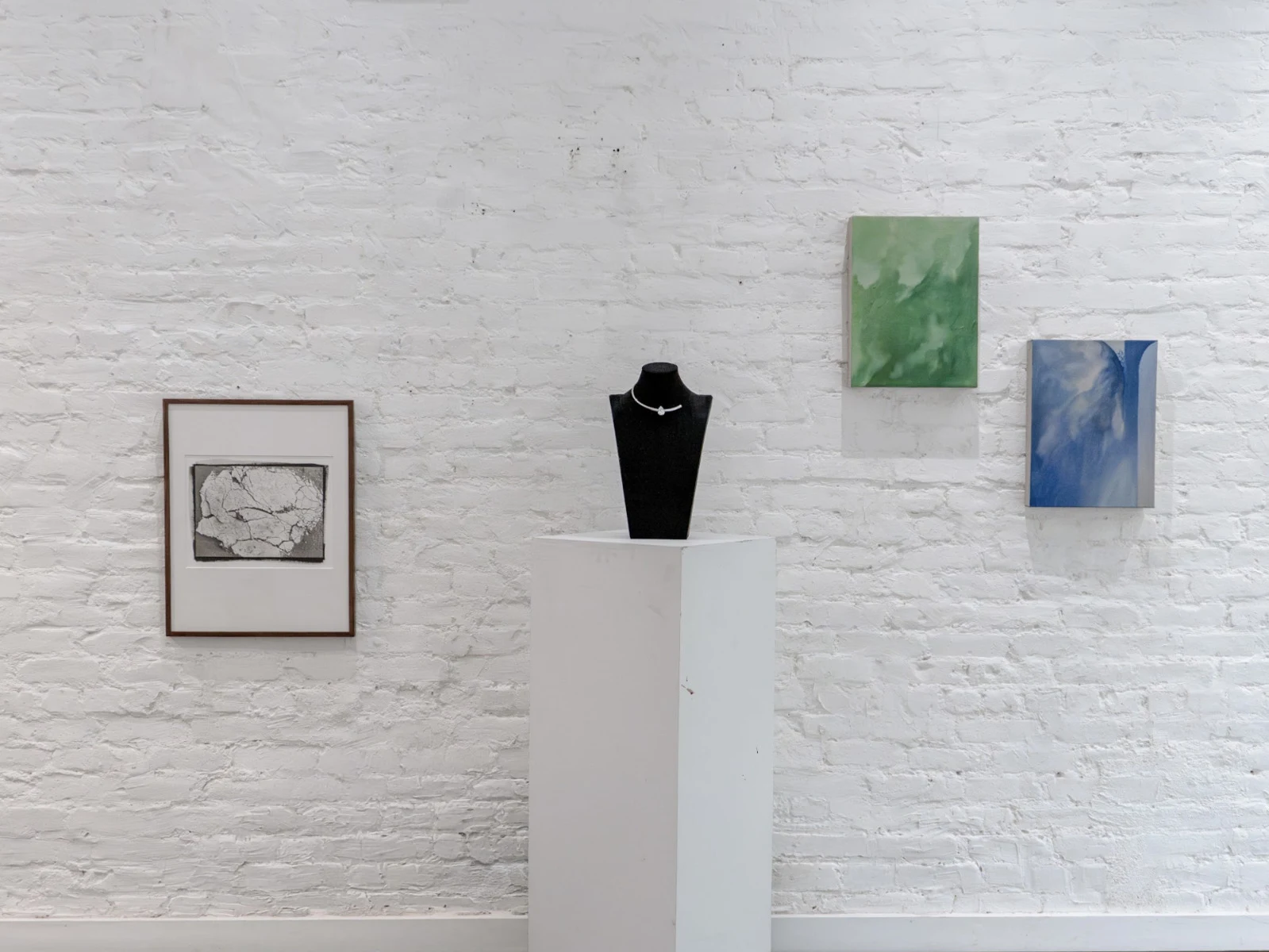
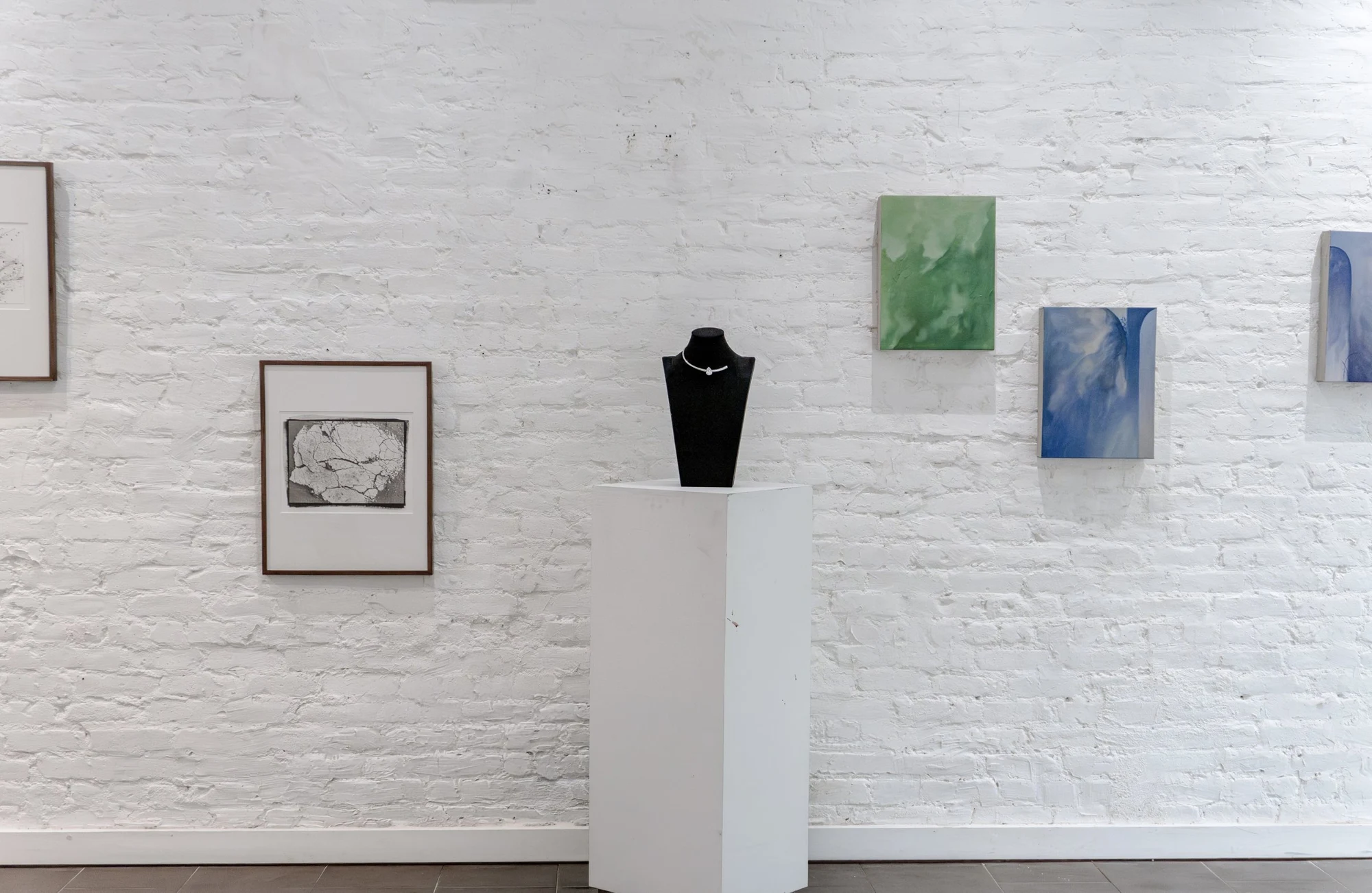
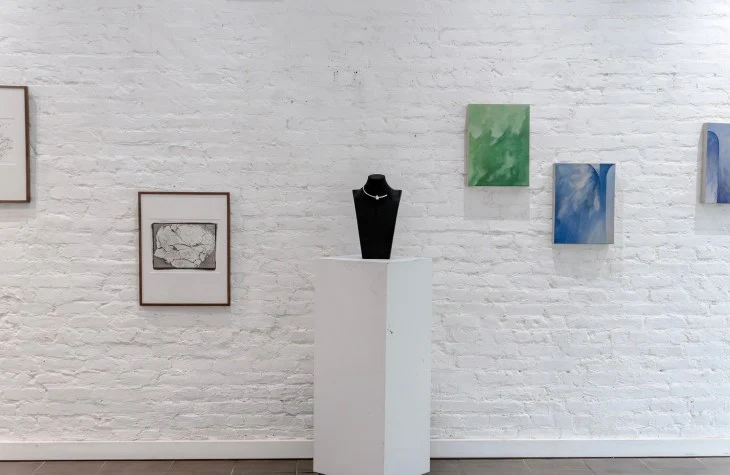
New York, May 2026 – We are pleased to present Between the Breath of Objects, a group exhibition featuring Kyung Kim, Luping Wang, Silvia Muleo, Xuemeng Li, and Ziyi Zhang. The exhibition explores how objects, long understood as passive and inert, begin to register as active participants within a shared field of breath, time, and perception.
In contemporary conditions shaped by technological mediation and ecological awareness, the boundary between the human and the material has become increasingly porous. Objects no longer remain external to experience; they circulate through systems of touch, image, sound, and data, accumulating traces of use, memory, and affect. Within this expanded field, the exhibition asks: when objects enter into relation with human breath, understood as rhythm, presence, and duration, how might the distinction between life and matter be rethought?
Between the Breath of Objects approaches objects not as fixed entities but as relational formations shaped through interaction. Drawing on the idea of “the thing” as a gathering of forces, the exhibition frames each work within an unfolding ecology. Breath functions as both metaphor and medium, a temporal condition through which bodies, materials, and environments become entangled. What emerges is not representation, but a field of co-presence where objects seem to expand, contract, and resonate within space.
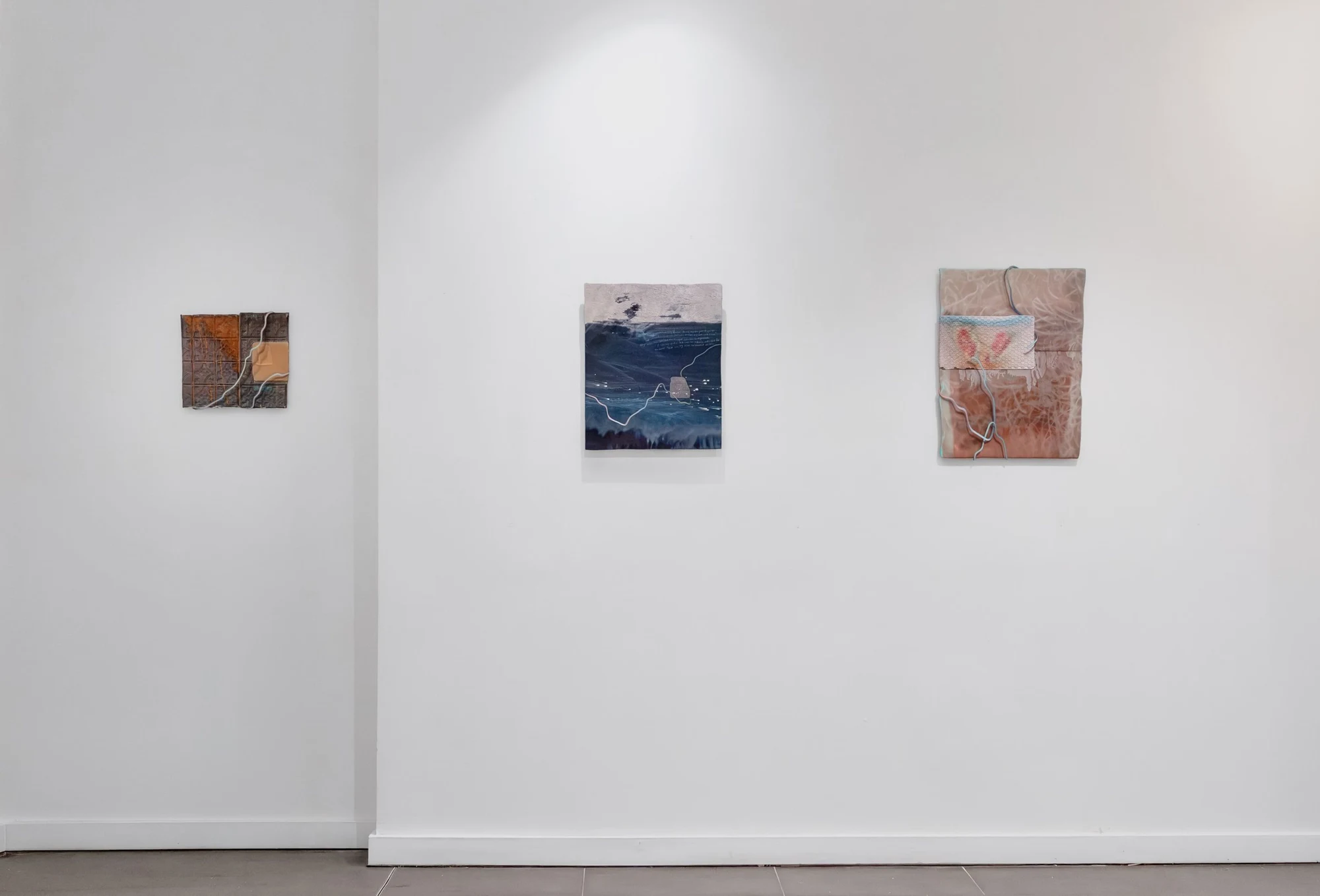
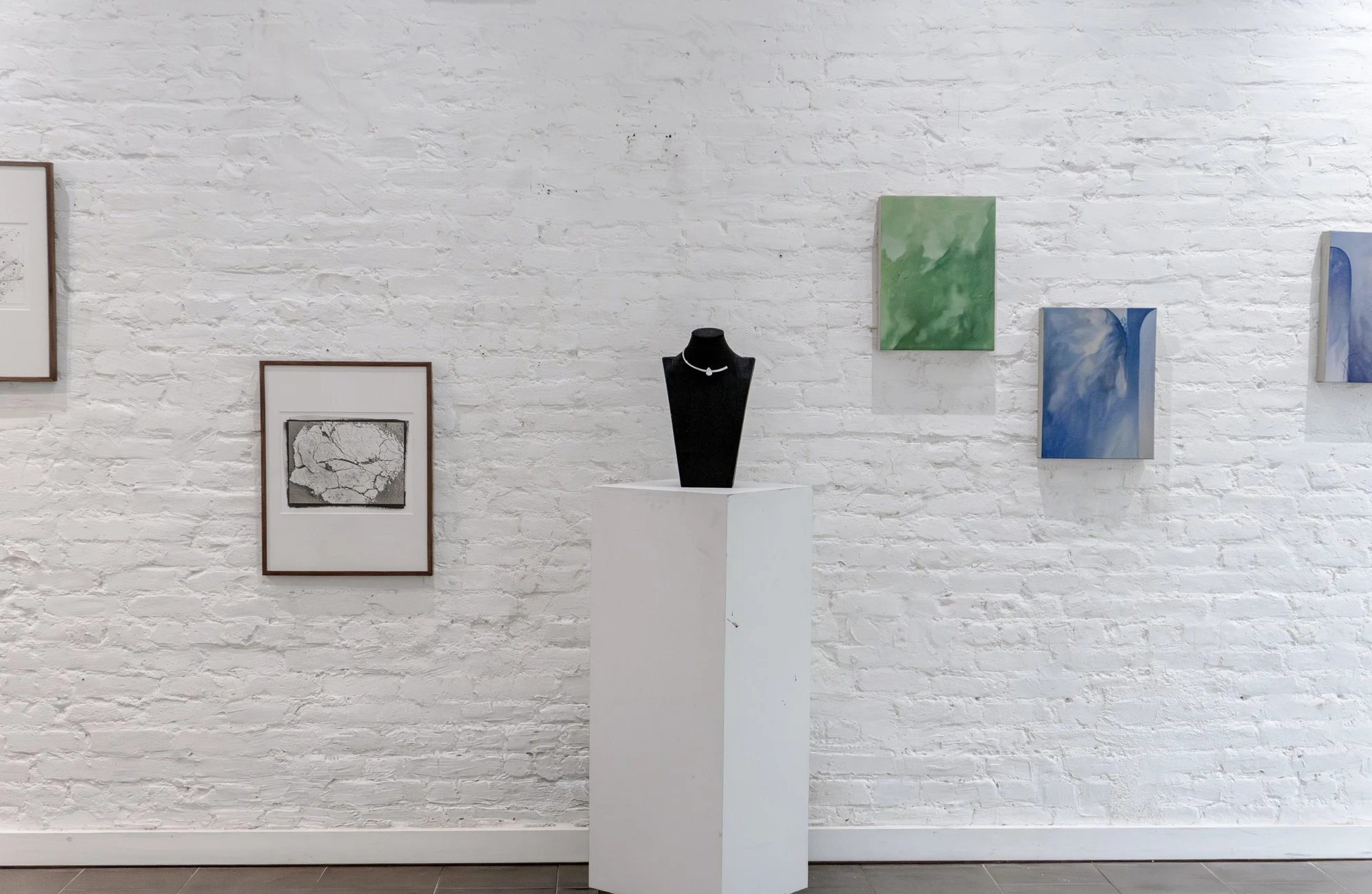
Across installation, painting, moving image, and sound, the participating artists articulate distinct modes of relation. Ziyi Zhang materializes the cognitive gap between screens and physical reality. Treating the digital as a tangible medium, she ‘uploads’ everyday objects into virtual space and extrudes them back into topographical paintings via robotic and painterly processes. Her work acts as a physical glitch, giving structural weight to the flattened logic of the screen. Silvia Muleo works with light, hardware, and screen-based perception to reveal digital space as both illumination and interruption, where physical and virtual realities overlap and interfere. Xuemeng Li approaches the interface as a permeable threshold, exploring how identity is constructed and dispersed across mediated systems. Kyung Kim’s abstract landscapes extend the exhibition’s elemental dimension, offering painting as an atmospheric field shaped by rhythm, seasonality, and perception. Luping Wang’s practice reconfigures ephemerality as duration, translating transient forms into wearable structures where time lingers on the body rather than passes.
These works move beyond objects as fixed forms, proposing a continuum where matter, perception, and time unfold through relation. Between the Breath of Objects invites viewers into a field of shared becoming, shaped by proximity, resonance, and transformation.
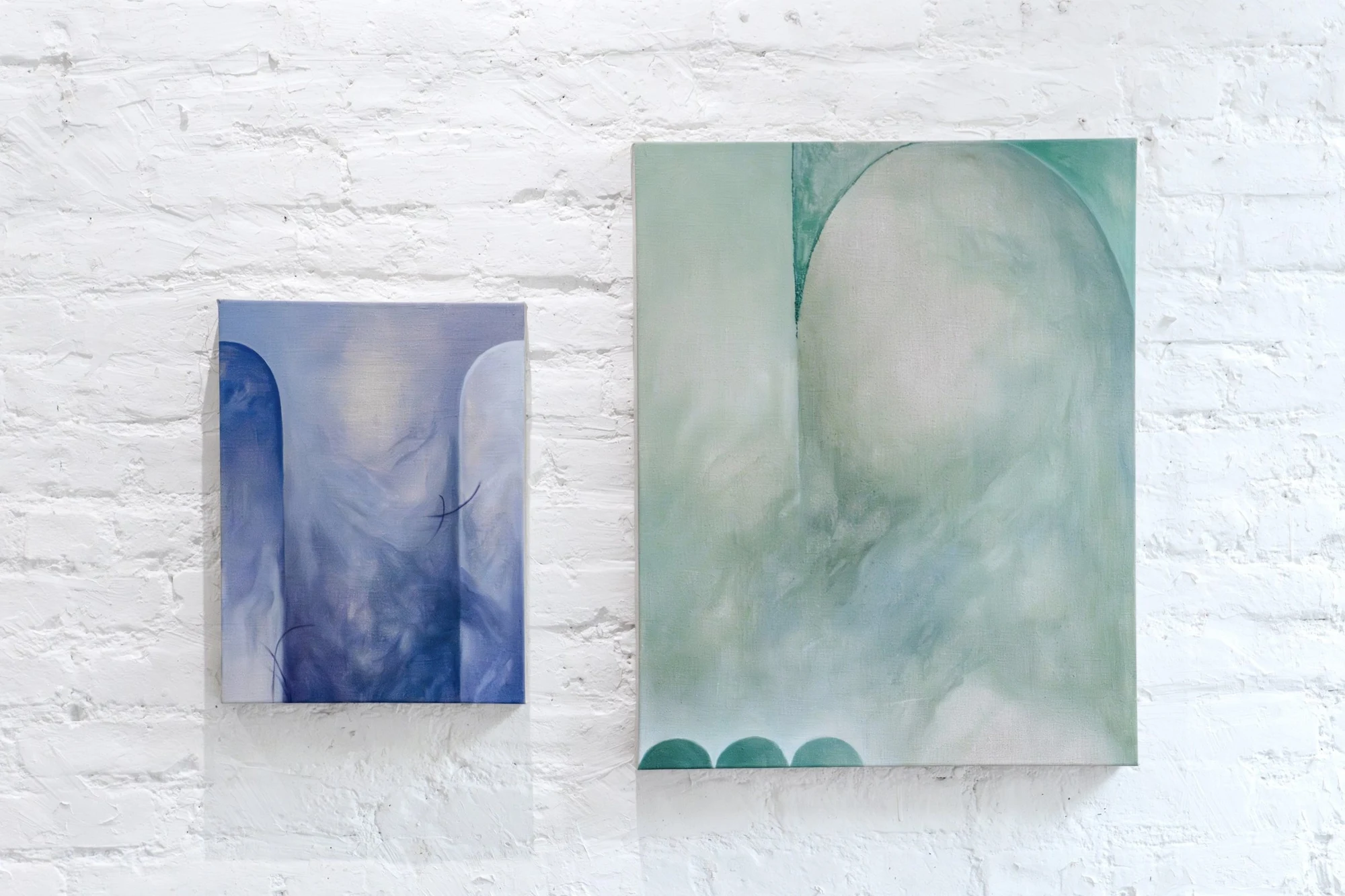
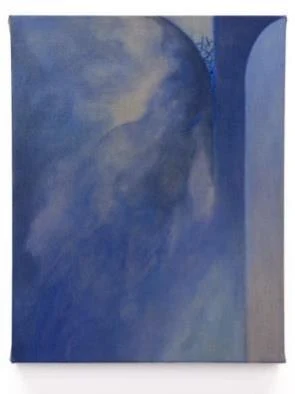
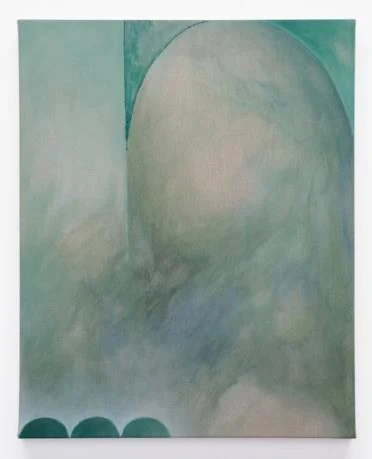
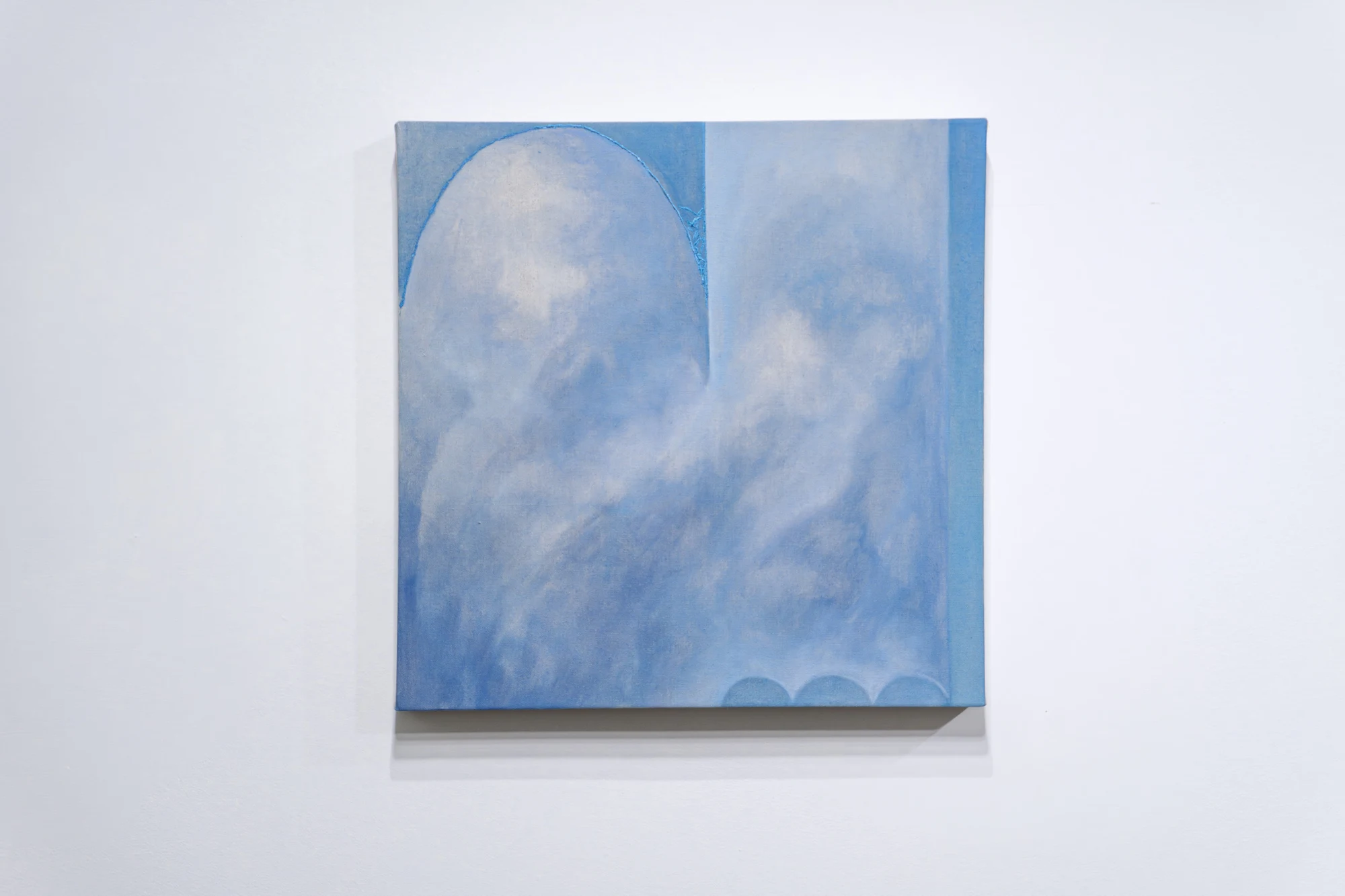
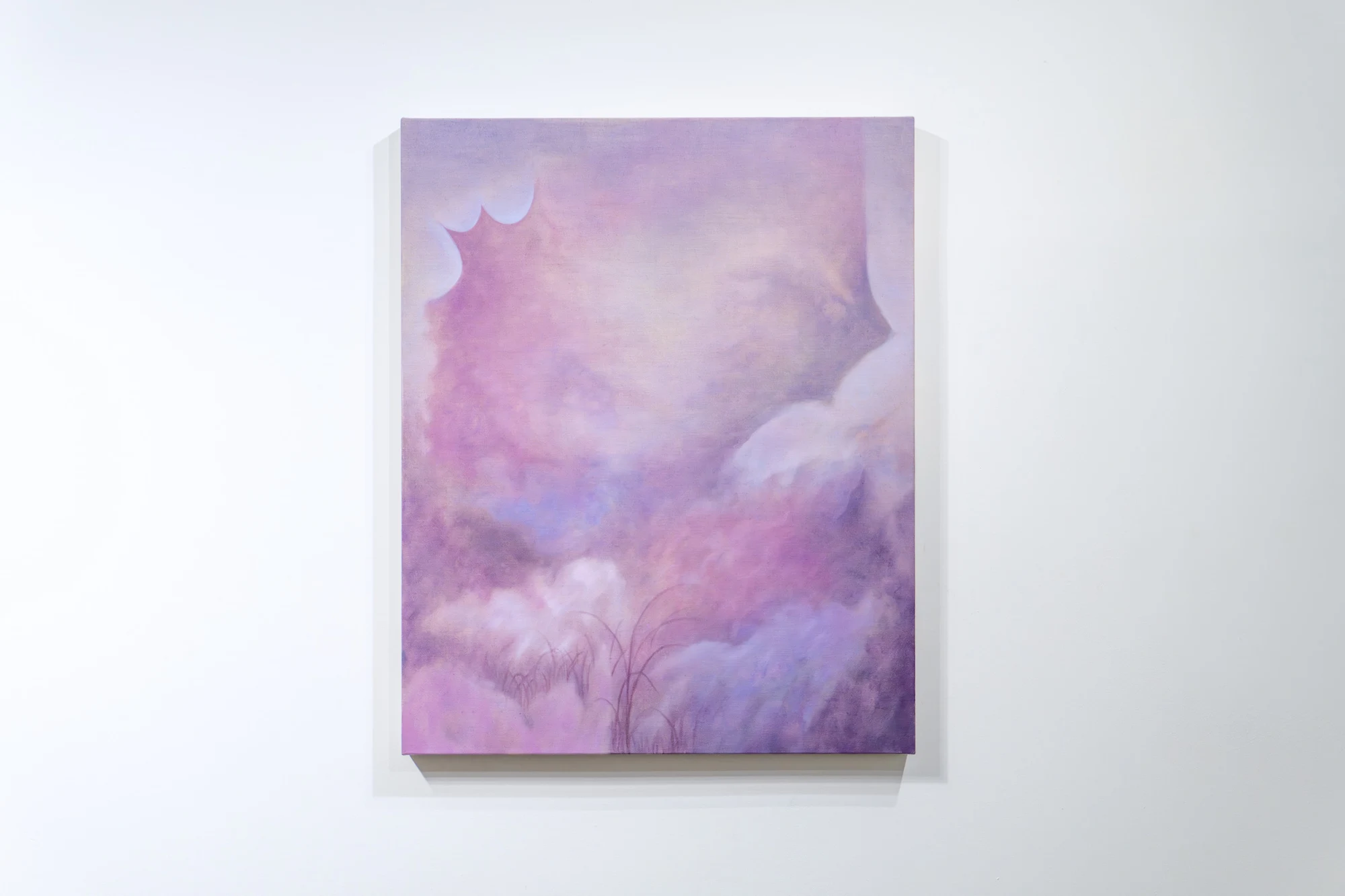
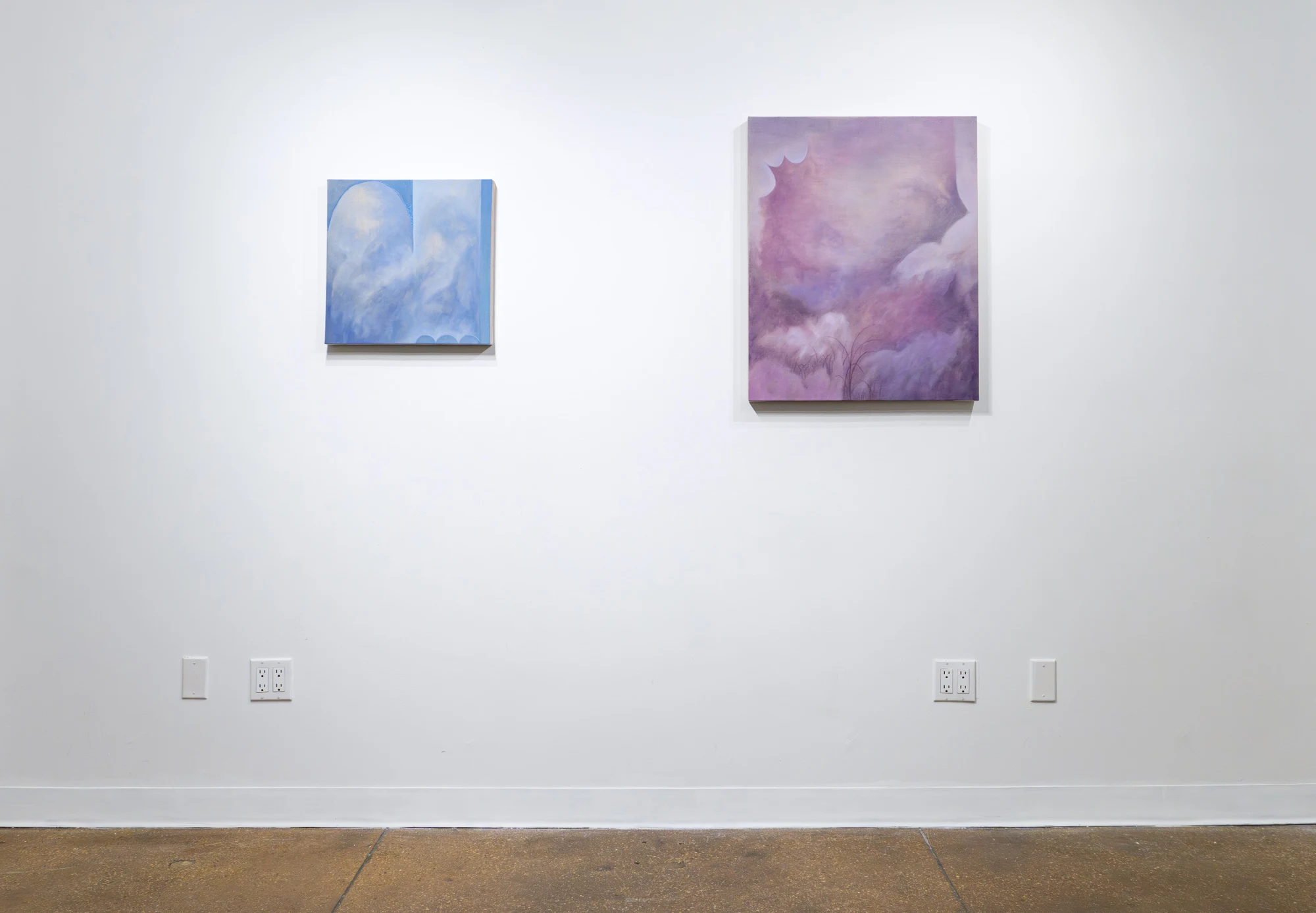
Kyung Kim (b. 1996, Seoul, Korea) is a South Korean-born painter currently based in New York. Her abstract paintings explore intangible sensitivities of sound, temperature, and time, shaped by memory and perception. Working on clear-primed linen, she treats oil paint as more than pigment, allowing it to linger like a softly composed scent. Her work translates invisible processes and experiences into open, atmospheric forms.
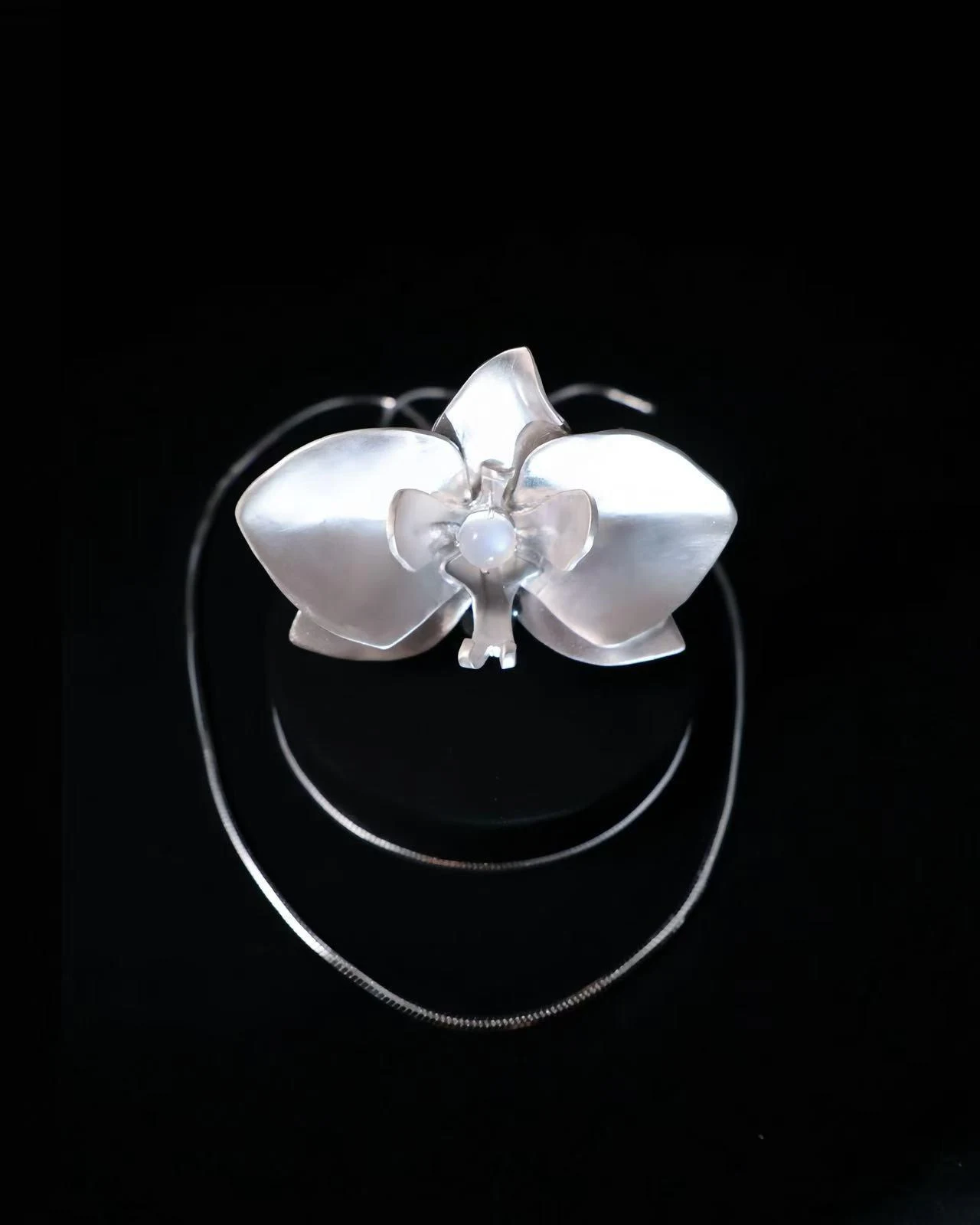
Luping Wang (b. 1997, Zhejiang, China) is a New York-based artist and designer who redefines jewelry as a medium for body sculpture and spatial narrative. Working primarily with silver, she moves beyond the literal imitation of nature to reconfigure the structural limits of the material, evoking a sense of breath within static objects. Her work transforms jewelry into intimate bodily landscapes where metal is transmuted into symbols of vital energy and the cyclical resonance of growth defined as Karma. Balancing rigorous precision with sensorial fluidity, Wang’s visual language bridges Eastern metaphysics and the avant-garde pulse of New York to manifest a high-vibration resort-style sense of ease.
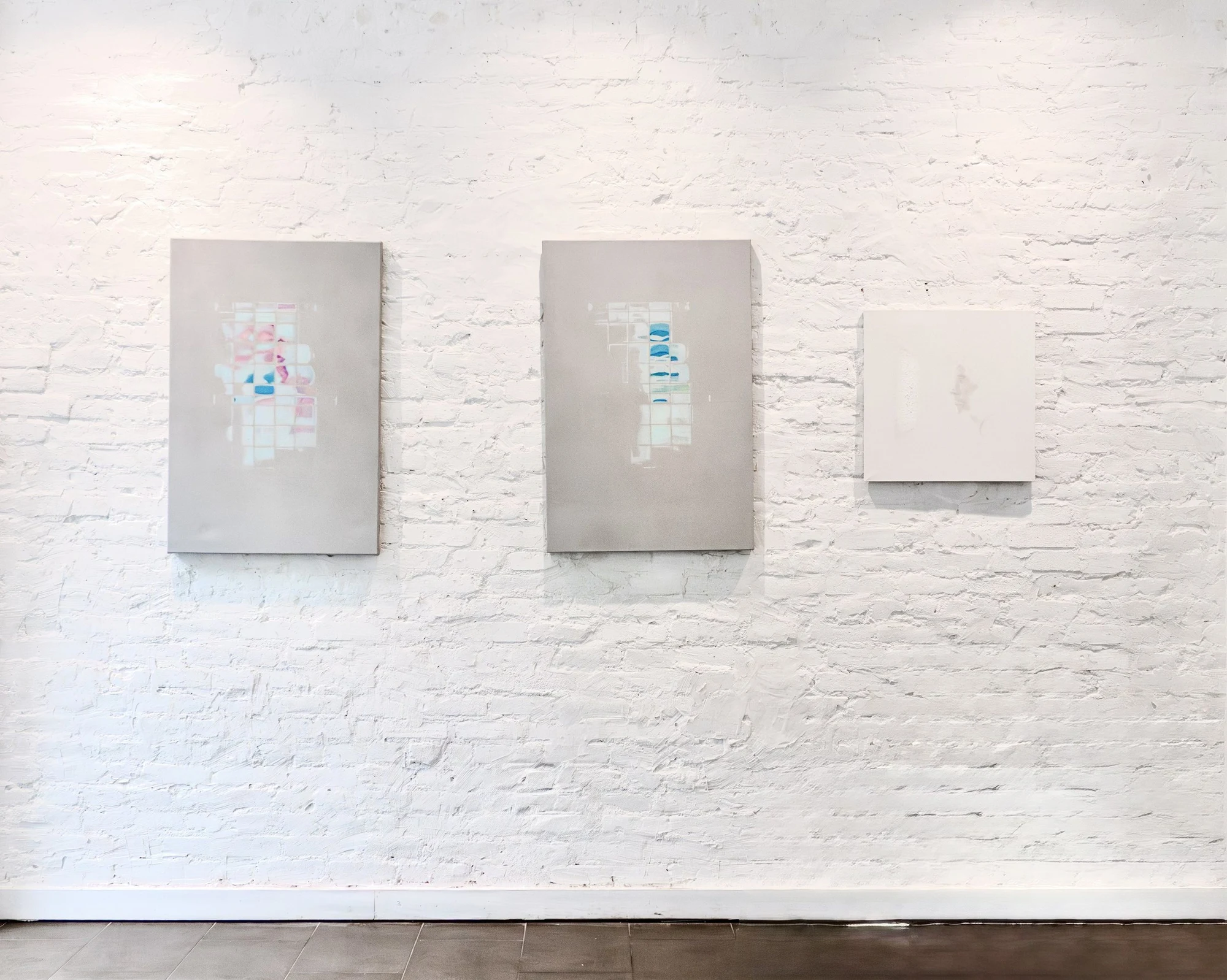
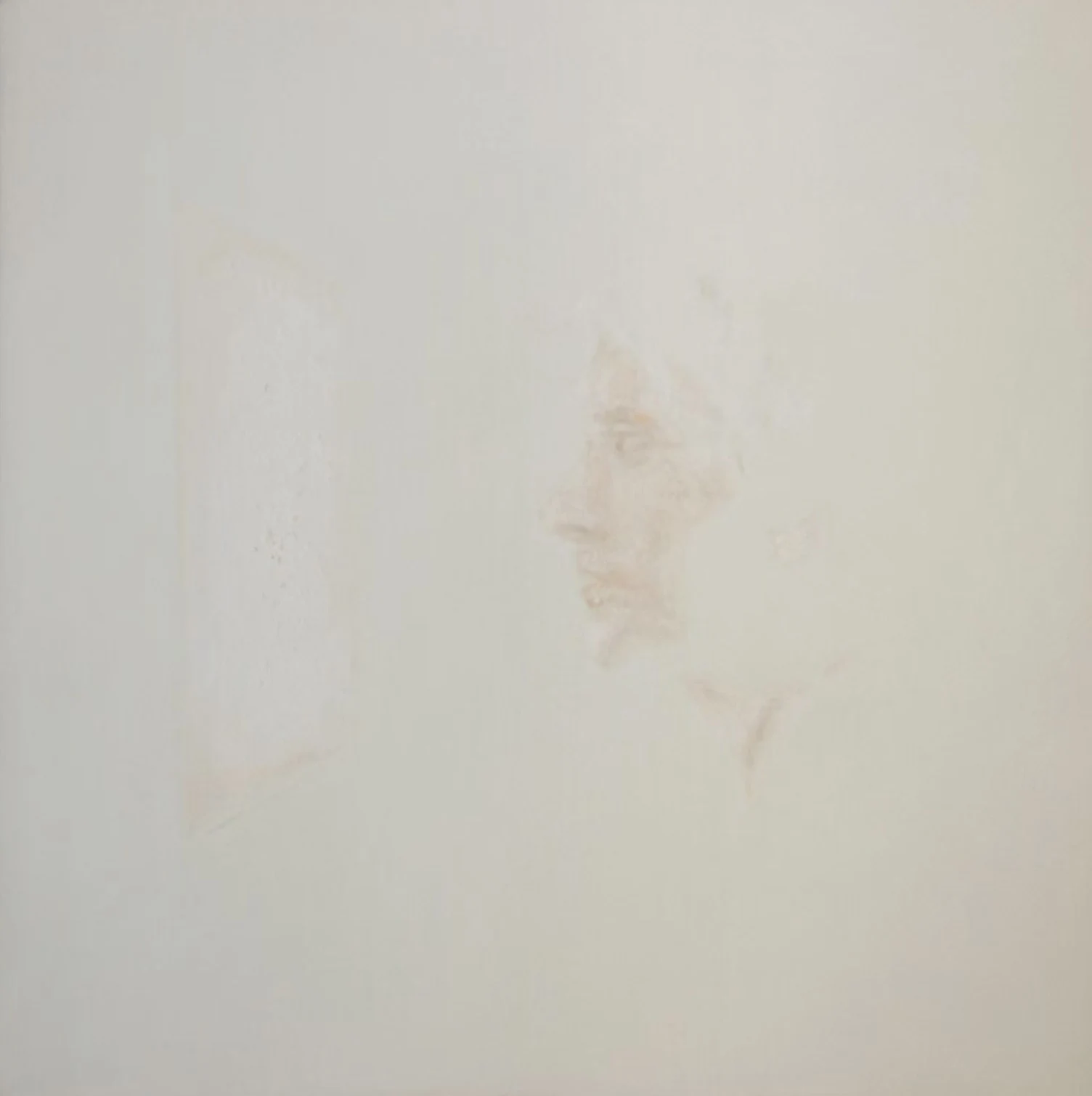
Silvia Muleo (b. 1998, Pisa, Italy) is an artist based between Pisa and Brooklyn. Her multidisciplinary practice explores the shifting boundary between digital and physical realities, shaped by her coming of age within Web 2.0. Working across video, painting, and participatory installation, Muleo examines how light, screens, and technological systems simultaneously illuminate and disrupt perception, constructing a fragmented field in which the digital and physical are inseparable.
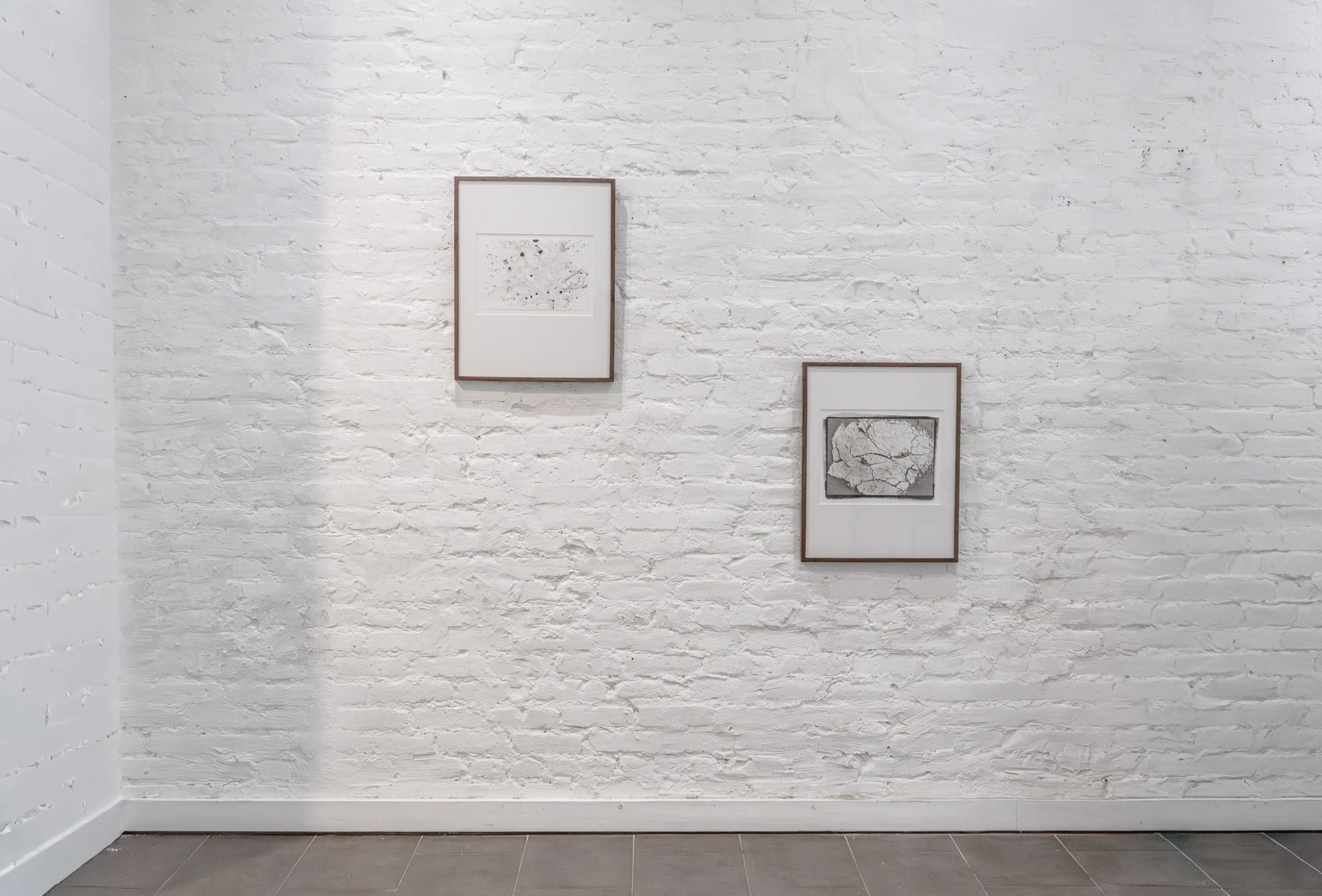
Xuemeng Li (b. 2000, Hunan, China) works across photography, film, and sound. His practice takes shape through the act of looking, exploring relationships between humans and water, nature and the self. His work moves between inner experience and lived reality, engaging themes such as the act of recollection and environmental change. Through abstraction in image-making, Li translates wordless awareness into tangible visual experiences.
Ziyi Zhang (b. 1999, Beijing, China) is a cross-disciplinary artist working across painting, net art, performance, video, and writing. Her practice captures the cognitive friction of our digital era, constantly navigating the feedback loop between physical reality and virtual existence. Whether utilizing robotic technology to extrude flattened digital data into topographical, highly tactile paintings, or employing AI and digital forensics to unearth decade-old intimate histories inexplicably hidden within a brand-new hard drive, Zhang treats the digital realm as a tangible medium. By blurring the boundaries between automation and human labor, truth and fabricated narrative, the personal and the collective, her work translates lived experience into a native visual language for the algorithmic age.
Jinyi Freya Xu (b. 2002, Dalian, China) is a New York–based curator. Her practice translates experience, time, and perception into visual and spatial forms, bridging curatorial inquiry with philosophy, AI, and cross-disciplinary thinking. She holds an M.A. in Visual Arts Administration from New York University and a B.A. from the Central Academy of Fine Arts. Xu has curated exhibitions, including When Blurry Memories Awaken, Inner Feast, and Entangled. Xu has contributed to exhibitions, publications, and institutional projects at the West Bund Museum × Center Pompidou, Matthew Liu Fine Art, and Latitude Gallery, with extensive experience in artist collaboration, narrative development, market strategy, and cross-cultural exchange.
Shuhan Zhang (b. 2002, Jiangsu, China) is a curator and writer. She is currently an M.A. candidate in Visual Arts Administration at New York University and holds a B.A. from the Central Academy of Fine Arts. Her research focuses on digital art, cultural platforms, and the contemporary art market. She has curated exhibitions including After the Face, Lithic Coordinates, Losing Ghosts, A Lure, A Lament, and Spreading Growth. Her writing has been published in Tussle Magazine, IMPULSE Magazine, Art Spiel, and Whitehot Magazine, with a focus on exhibition criticism and contemporary art discourse.
Installation views
1 / 6
Installation view, Between the Breath of Objects, Nguyen Wahed. Courtesy of the artists.Installation view, Between the Breath of Objects, Nguyen Wahed. Courtesy of the artists.Installation view, Between the Breath of Objects, Nguyen Wahed. Courtesy of the artists.Installation view, Between the Breath of Objects, Nguyen Wahed. Courtesy of the artists.Installation view, Between the Breath of Objects, Nguyen Wahed. Courtesy of the artists.Installation view, Between the Breath of Objects, Nguyen Wahed. Courtesy of the artists.
Works in the exhibition
Kyung KimThe Hidden Moon, 2024Oil on linen16 x 12 inKyung KimMidsummer Rhapsody, 2025Oil on linen16 x 12 inKyung KimShadow's Reverie, 2024Oil on linen16 x 12 inKyung KimDawnlit Woods, 2025Oil on linen28 x 24 inLuping WangOrchid Silver Necklace with Moonstone, 2026925 sterling silver and moonstoneSilvia MuleoWhite on White (concrete light), 2025Oil and oil stick on canvas20 x 20 inSilvia MuleoEcho #1, 2025Oil and oil pastels on canvas36 x 24 inSilvia MuleoEcho #2, 2025Oil and oil pastels on canvas36 x 24 inXuemeng LiHibi, 2024From series Contour of MistPlatinum palladium print, walnut frame22.4 x 11.7 inXuemeng LiUntitled, 2024From series Contour of MistPlatinum palladium print, walnut frame22.4 x 11.7 inZiyi Zhang06/16/2025, 2026Oil and mixed media14 × 12.5 × 1 inZiyi Zhang02/22/2025, 2026Oil and mixed media18 × 24 × 1 inZiyi Zhang06/07/2024 Loving Vincent, 2026Oil and mixed media, text17 × 21 × 1 in
Flohaus Gallery, 209 W 38th Street, #500, New York, NY 10018
Dates
April 25 – May 3, 2026 · Opening reception April 25, 6–8 PM
Role
Co-curator, with Luman Jiang
Press release
FOR IMMEDIATE RELEASE
Osmosis Artists: Guo Tongtong, Kyung Kim, Joy Li, Xingze Li, Yu Ruo-Jie, Bingyi Zhang
Flohaus Gallery, 209 W 38th Street, #500, New York, NY 10018 April 25 – May 3, 2026 Opening Reception: Saturday, April 25, 2026 | 6–8 PM Curated by Jinyi Freya Xu and Luman Jiang
New York, NY, April 25, 2026 – Osmosis is a group exhibition at Flohause Gallery bringing together six artists working across painting, installation, photography, and mixed media.
"What's more mystifying and seductive than encountering an other that feels familiar?"
We have never touched the world directly. What we touch is the way the world arrives at us. Between the two, there is always a medium: language, culture, the environment in which we grew, the narratives we were given, the assumptions so familiar we no longer think to question them.
In biology, osmosis describes the spontaneous movement of solvent molecules through a semipermeable membrane, requiring no external force, only a membrane and a difference in concentration on either side. Osmosis takes this process as a framework for examining how cultural contact occurs in contemporary life: not through rupture or assimilation, but through prolonged, silent, unstoppable mutual permeation. The exhibition considers the invisible membrane that encloses each individual, filtering everything visible, refracting every arriving signal. Osmosis happens when the membrane thins. Not disappear. But sometimes it thins enough that pressure from the other side begins to seep through, carrying an unfamiliar warmth, quietly shifting the density on this side.
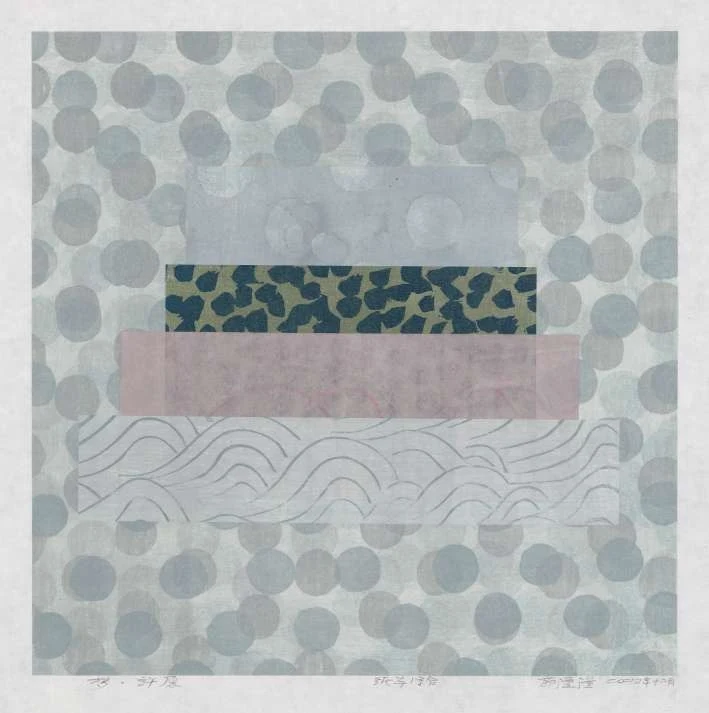
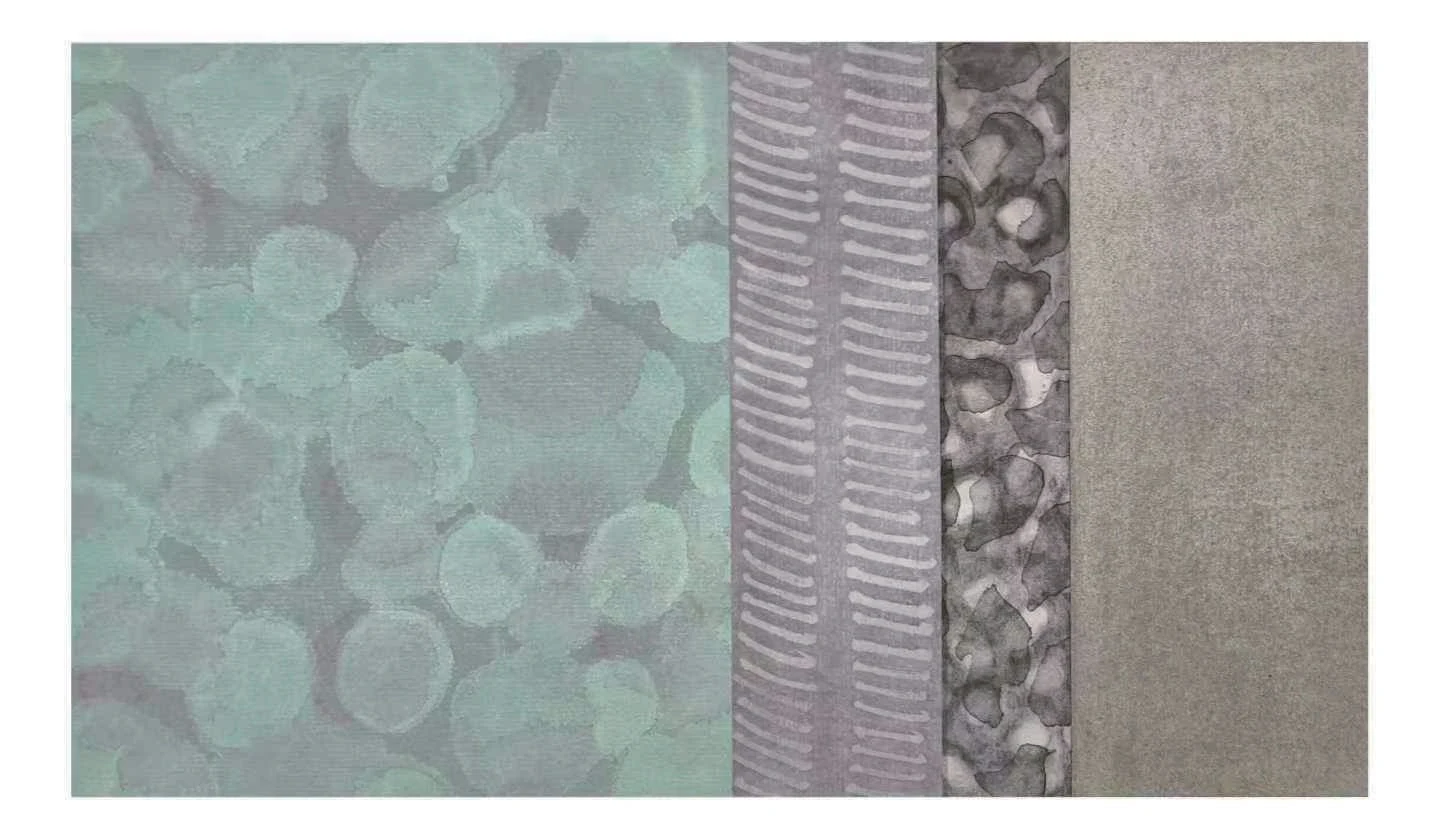
Guo Tongtong (b. 1979, Suzhou) works in paper-based mixed media, drawing on her training in printmaking at Nanjing Art Institute and Tianjin Academy of Fine Arts. Her Love Letter series weaves watermark prints, hand-drawn marks, and collaged materials into layered compositions accompanied by three-line poems. Printed traces and freehand gestures coexist on the same surface, producing a transparency that is never fully resolved. Recent exhibitions include a solo show A Love Poem to the Time at BFM Art Center (2025) and the Guanlan International Print Biennial (Shenzhen, 2023).
Kyung Kim is a South Korean-born, New York-based painter who translates sensory memories of natural landscapes into painting, capturing invisible sensitivities of sound, temperature, and time. She holds a BFA from SAIC and an MFA from Pratt Institute (2024). In 2024 she published her first art book, The Waxing Moon.
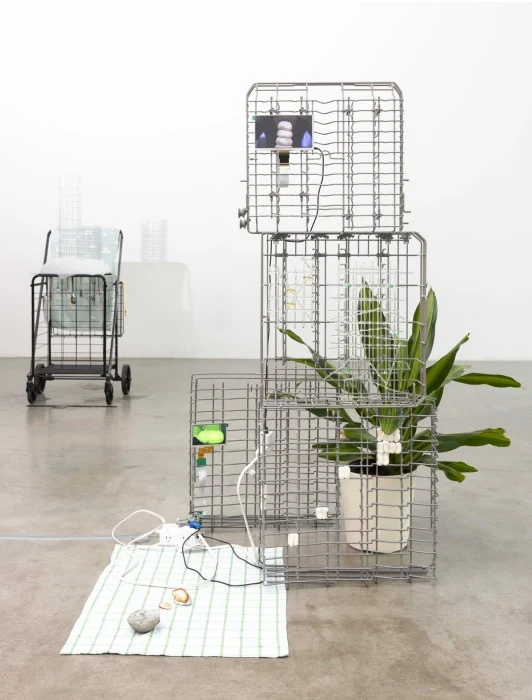
Joy Li (b. 1999, Gansu) is a sculptor and interdisciplinary artist. BFA from MICA, currently MFA Sculpture at Yale School of Art. For Osmosis, she presents Our Ephemeral Eternity: Our Love, Our Ordinary Battlefield (2025), a mixed-media installation where domestic objects construct a landscape in which intimacy and conflict become a permeable membrane. Recent solo exhibitions include Gas Station X (Vanguard Gallery, Shanghai, 2024) and Icarus' Wings (Guangdong Times Museum, 2024). She was a 2024 Porsche Young Chinese Artist of the Year nominee and Skowhegan fellow.
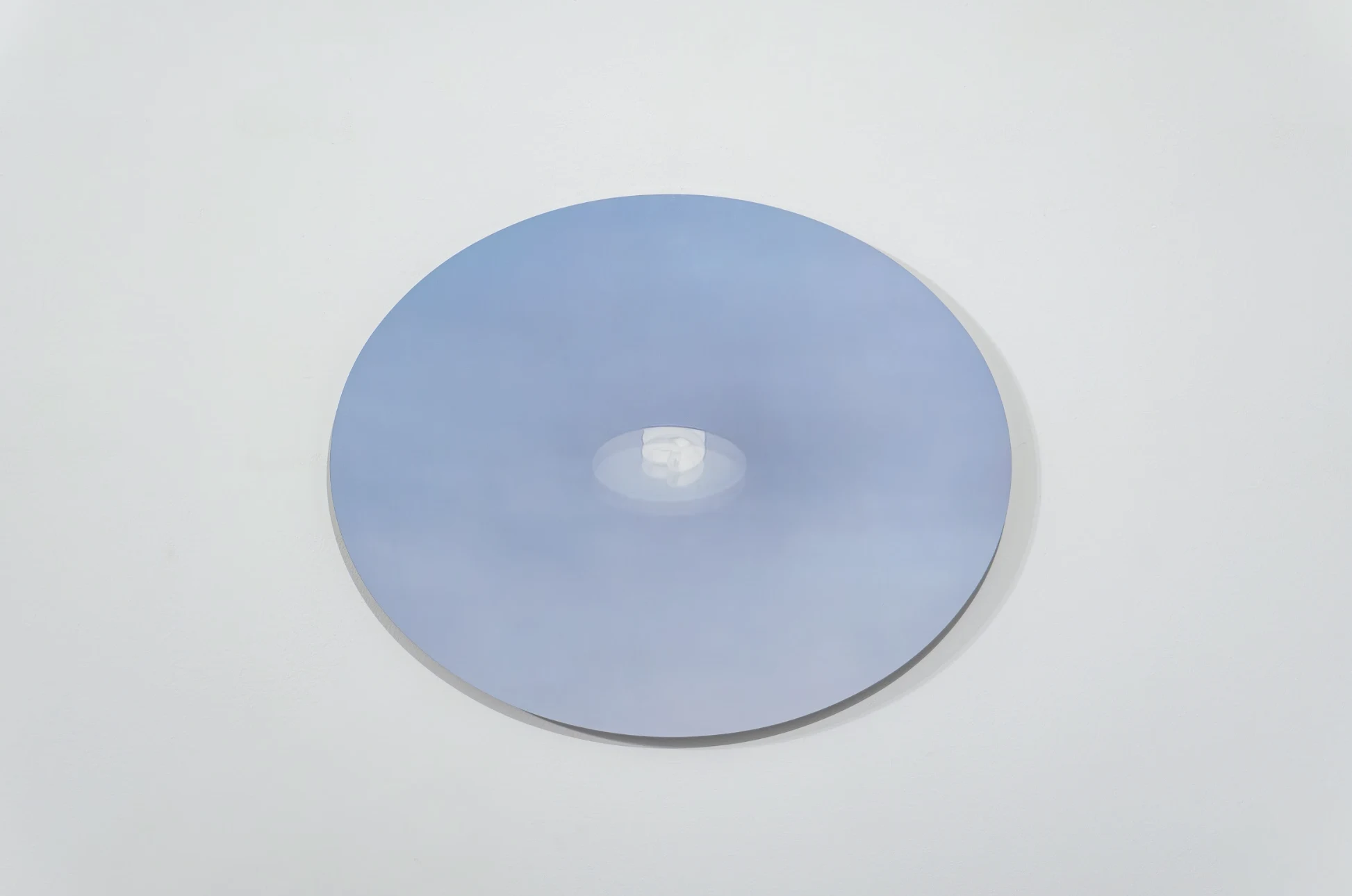
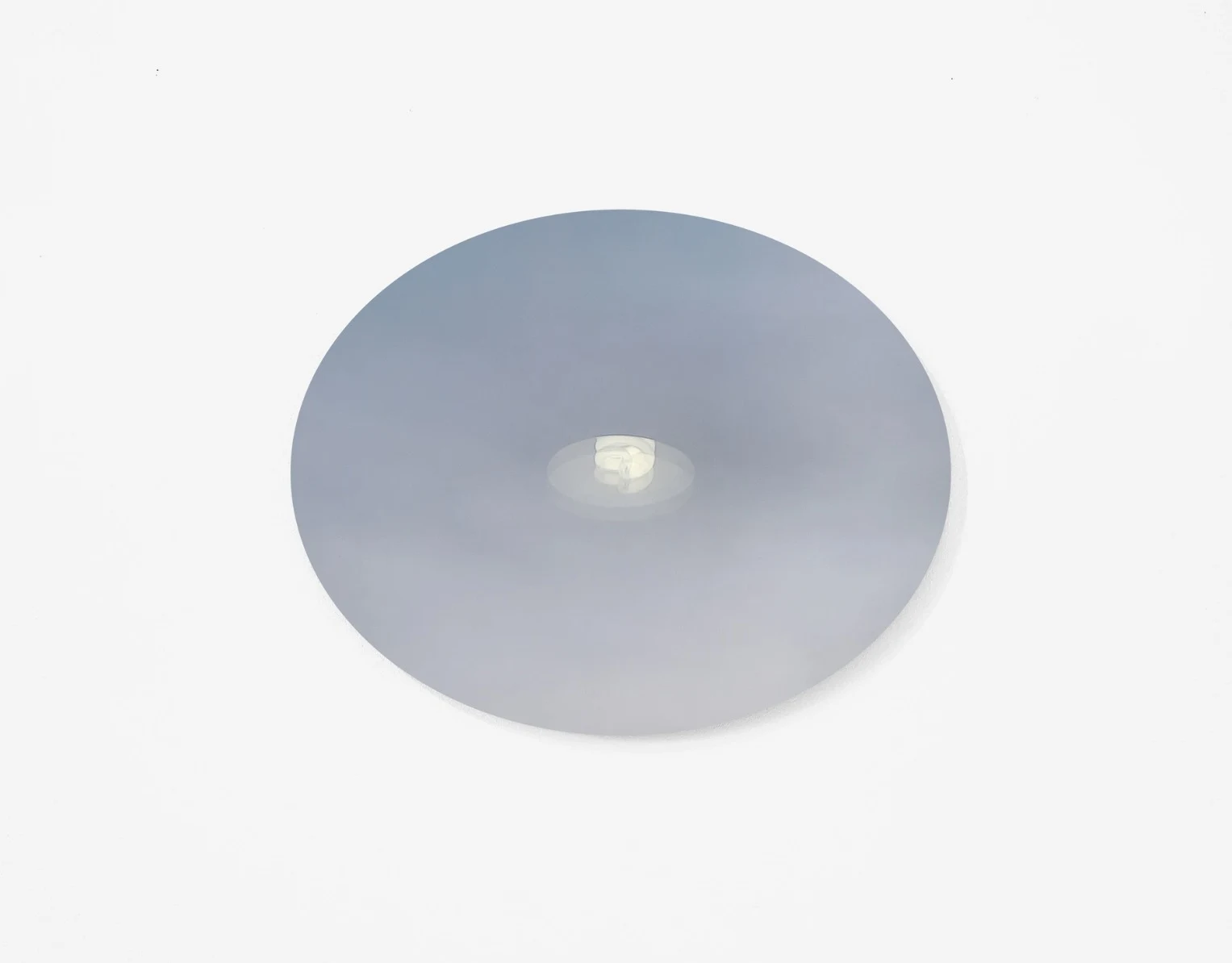
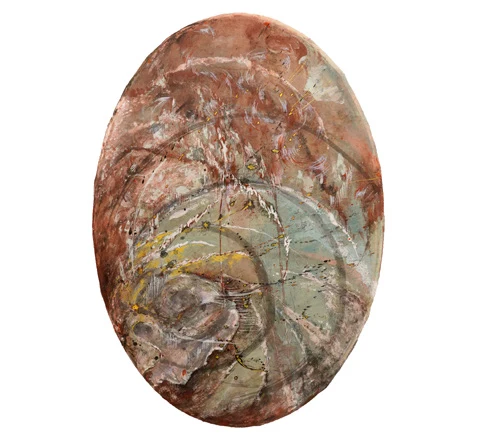
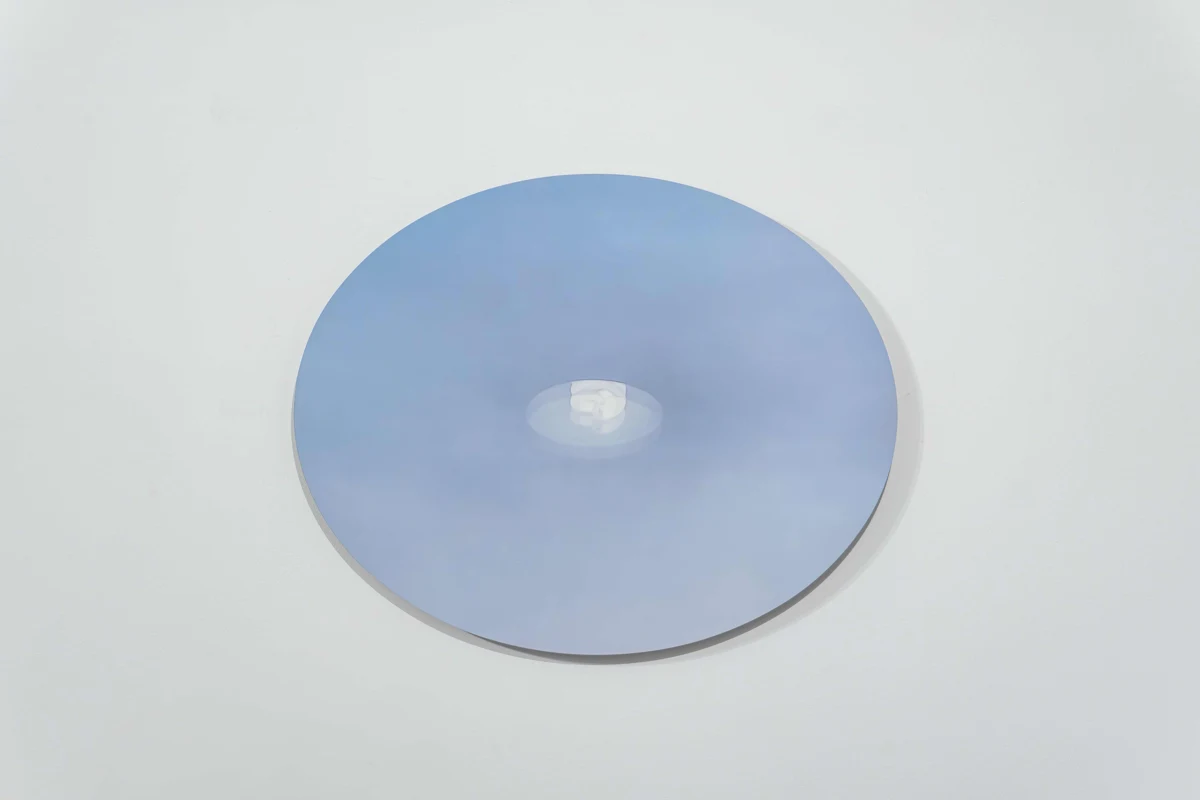
Xingze Li (b. 1992, Ya'an) is a Brooklyn-based artist working at the intersection of photography and sculpture. His dye sublimation on aluminum pieces lend weight to unassuming walls in domestic and semi-public spaces, capturing each surface's sense of time and passage of light. For Osmosis, he presents Untitled (mid Jan. on 43 St) (2024), an elliptical aluminum panel where the membrane becomes visible as material encounter. BFA from Xi'an Academy of Fine Arts, MFA from Pratt Institute (2019). Exhibitions at Yi Gallery, Ortega y Gasset Projects, and Sweet Lorraine Gallery.
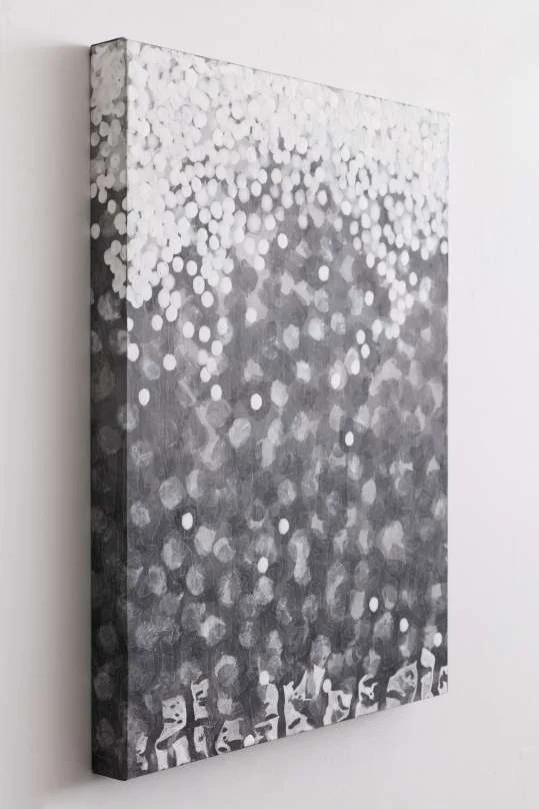
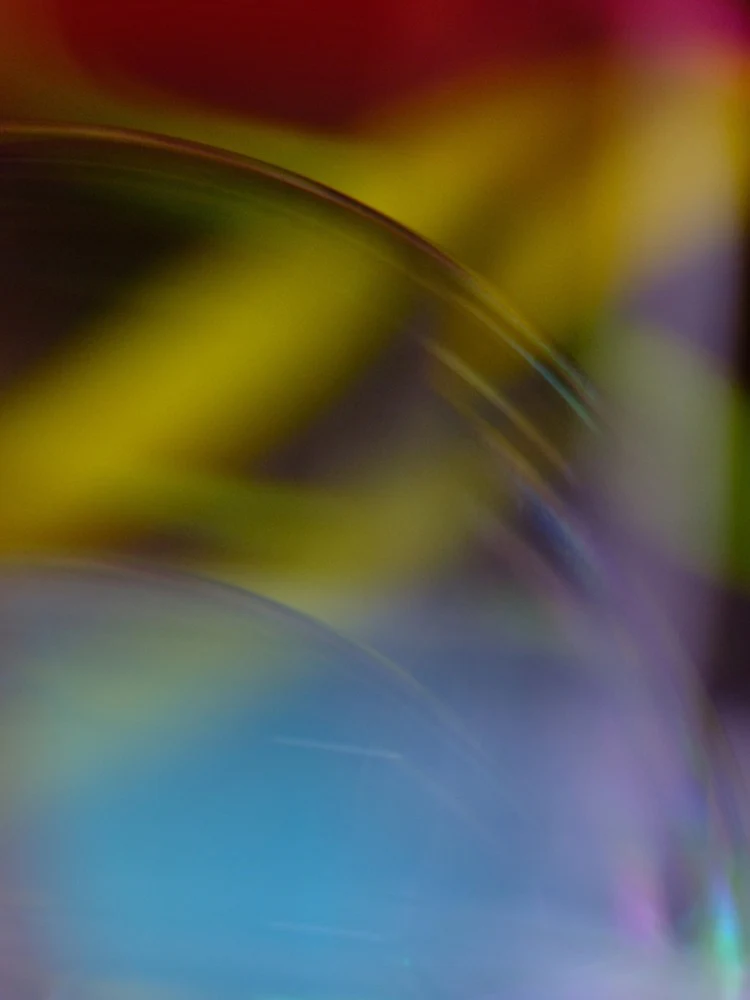
Yu Ruo-Jie is an artist, curator, and writer working across video, installation, painting, and new media. For Osmosis, she presents Take a Nap in Bubble – No. 18 (2022), a photographic work that freezes the oscillation of transient foam, rendering uncertainty in pixelated visual language. The bubble, simultaneously transparent and distorting, becomes the exhibition's most literal figure for the membrane. Recent solo exhibitions include Dozing in the Fold of Dreamland (Modern Art Museum, Shanghai, 2022) and The Lying Flower (Three Shadows Photography Art Centre, Beijing, 2021).
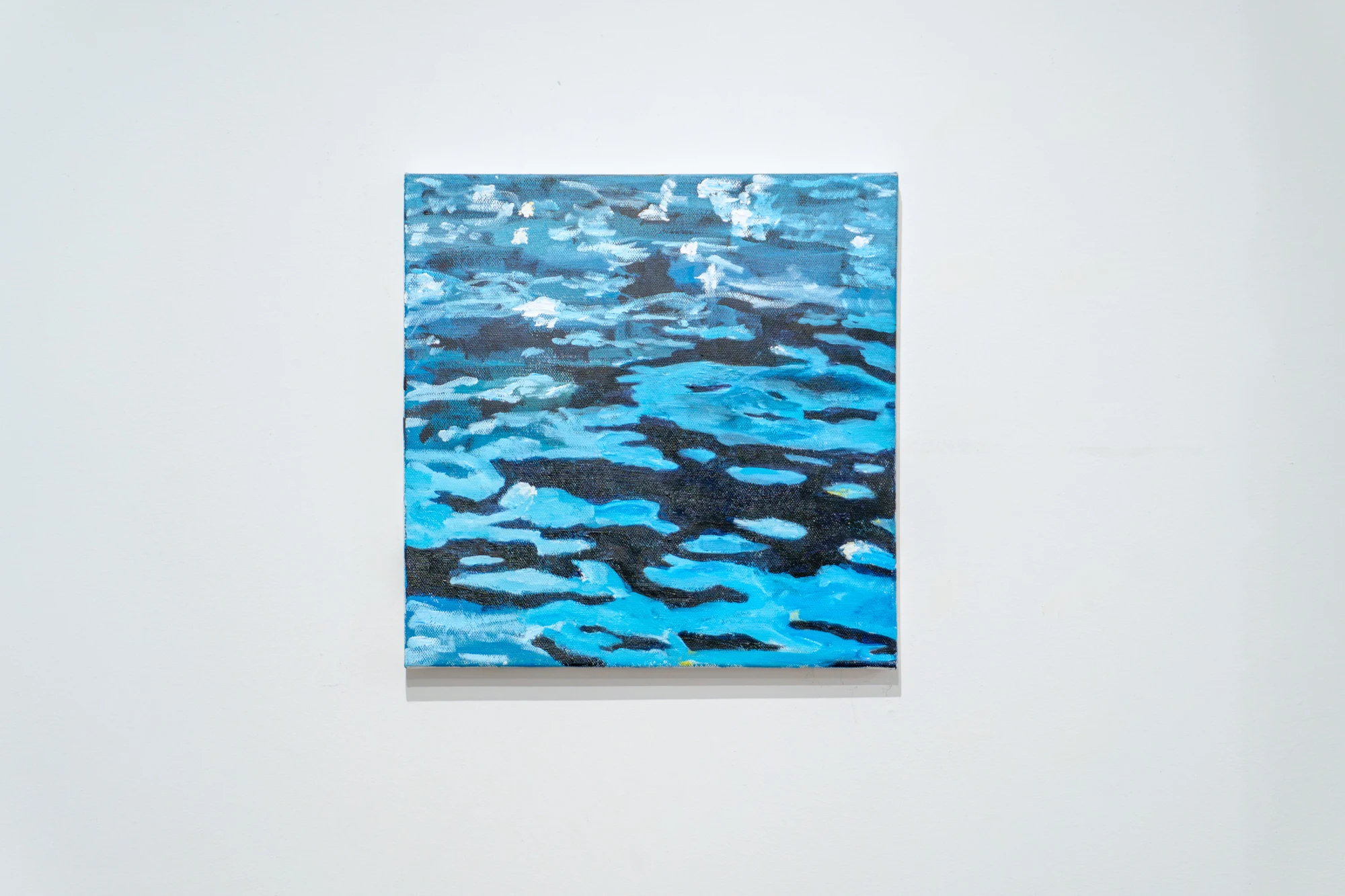
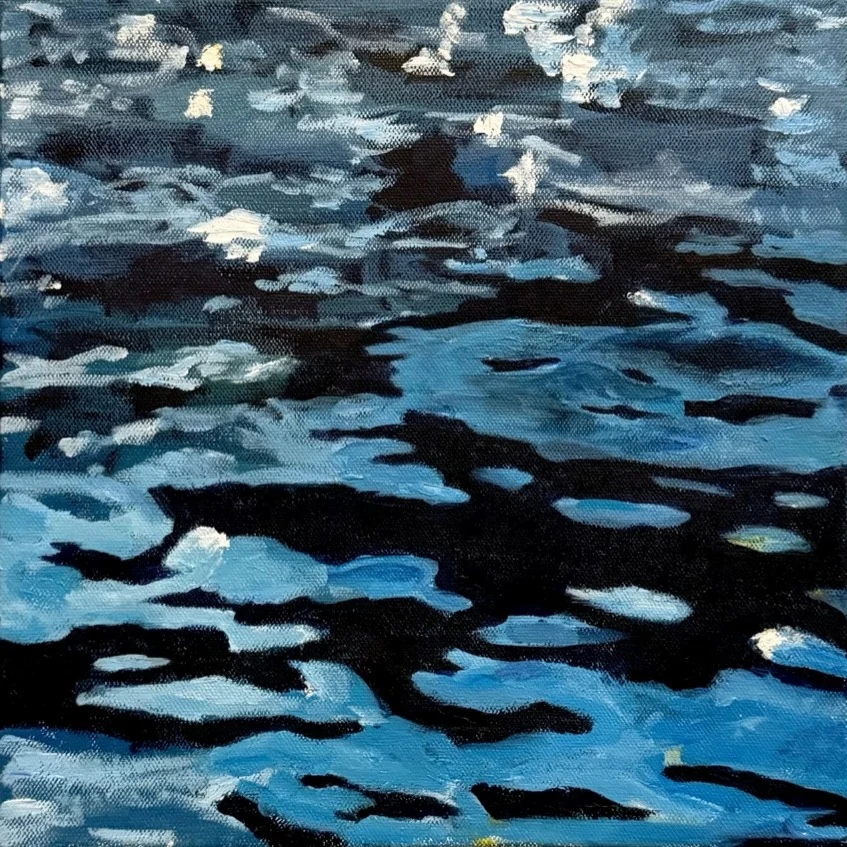
Bingyi Zhang is a painter exploring relationships between perception and the natural world. BFA in Studio Art from NYU, currently pursuing graduate studies at Harvard University. For Osmosis, she presents Whisper of Water (2024), an acrylic painting capturing the ever-changing surface of water under shifting light.
Installation views
1 / 18
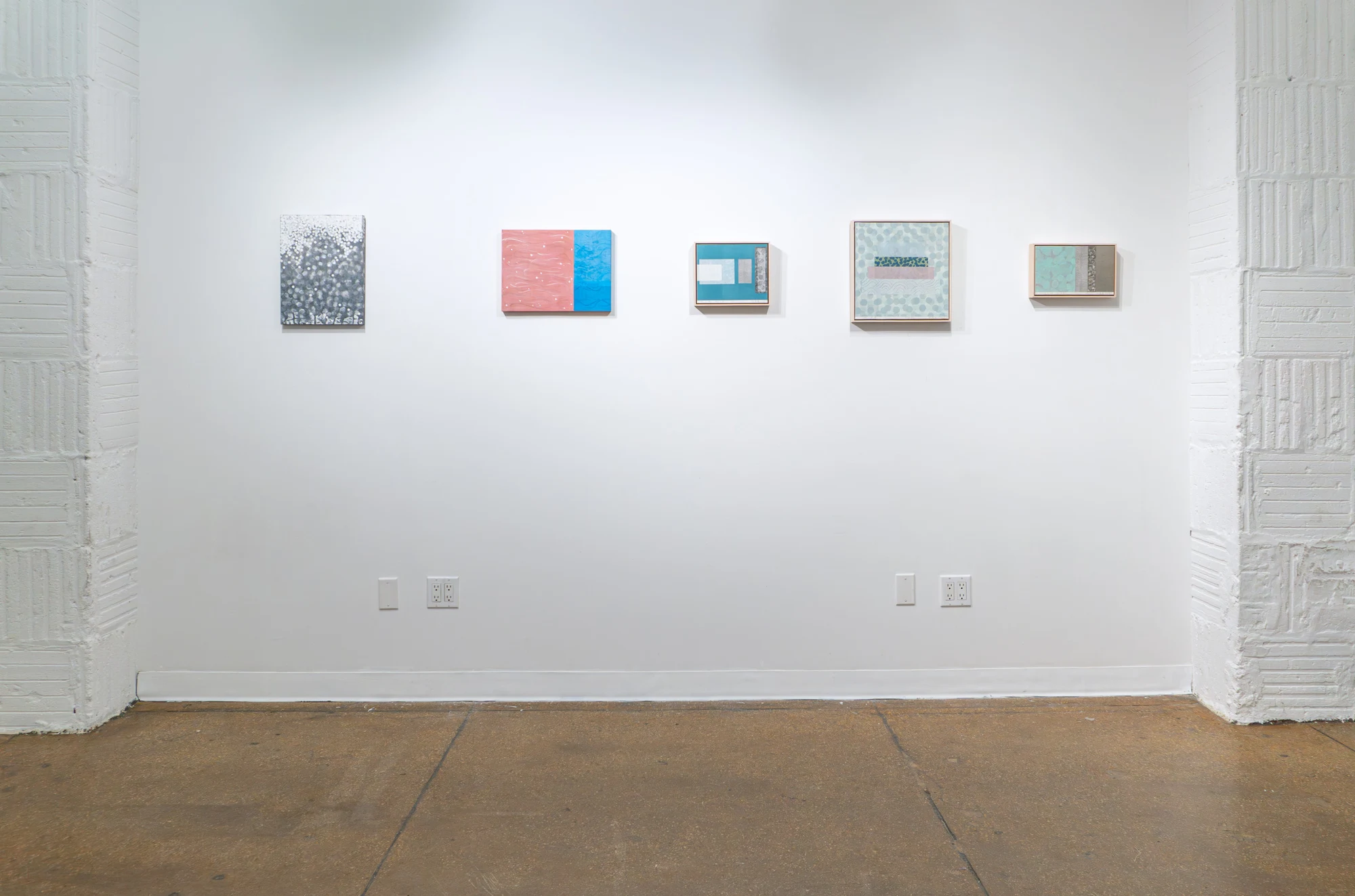
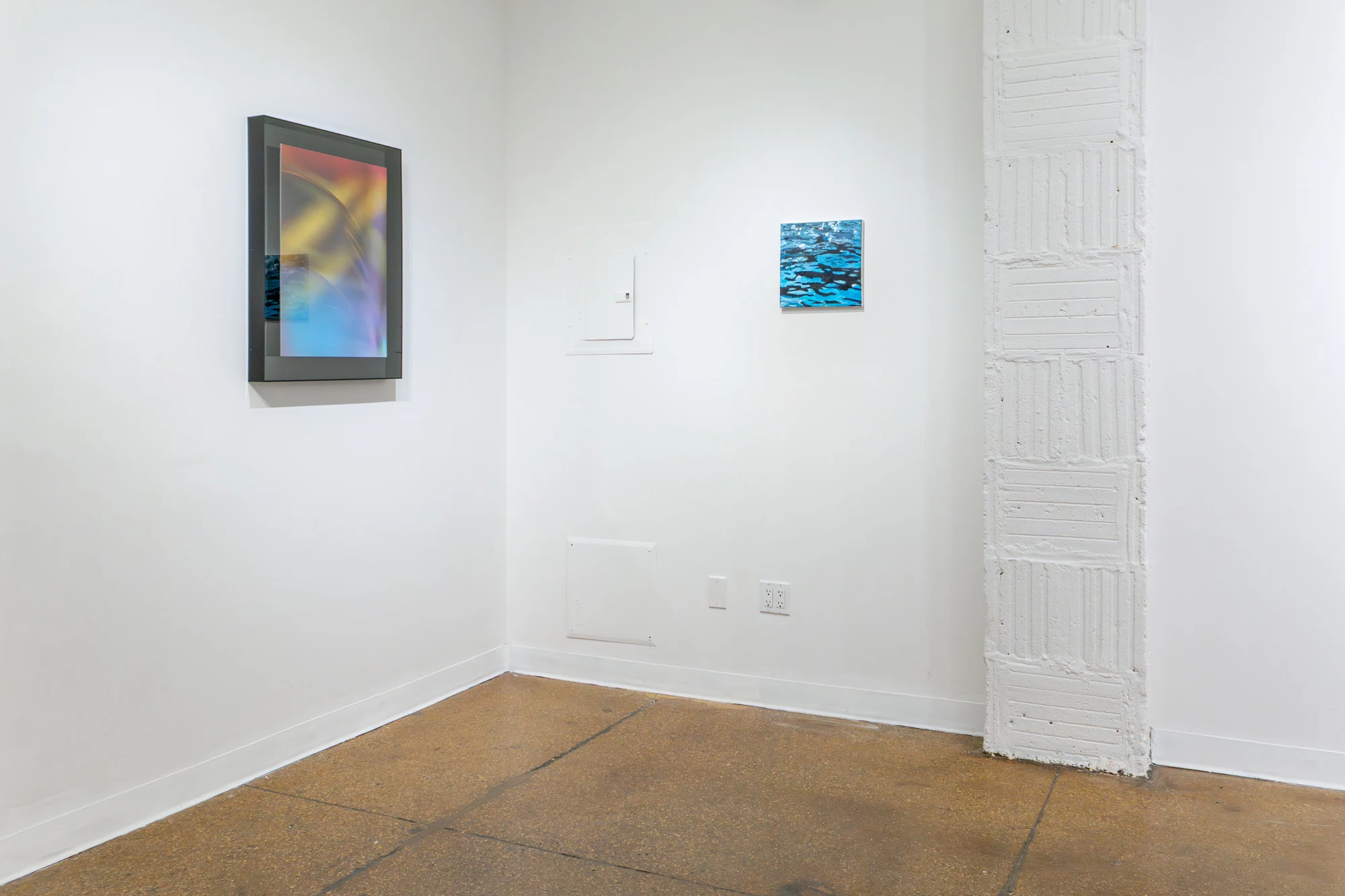
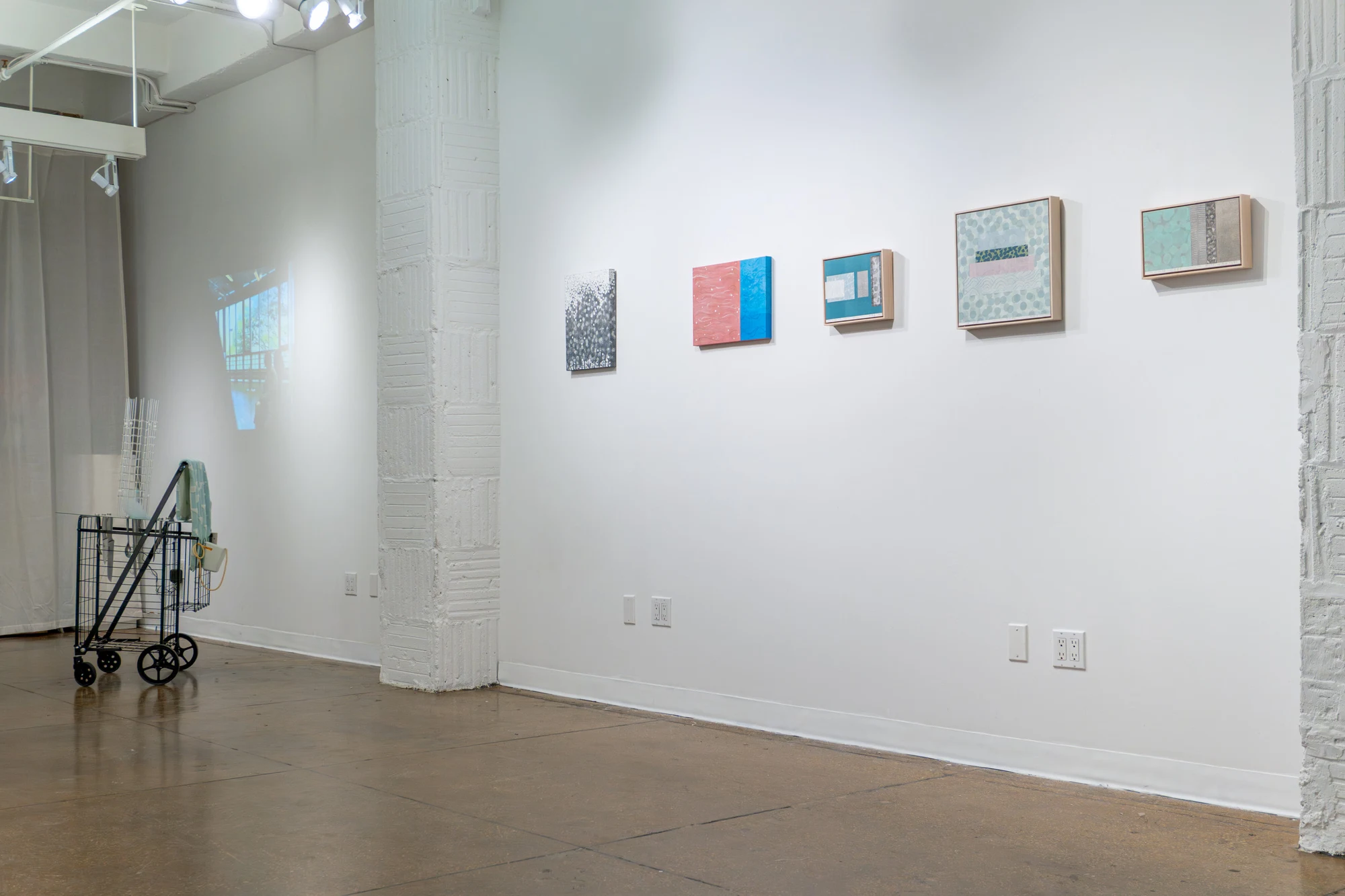
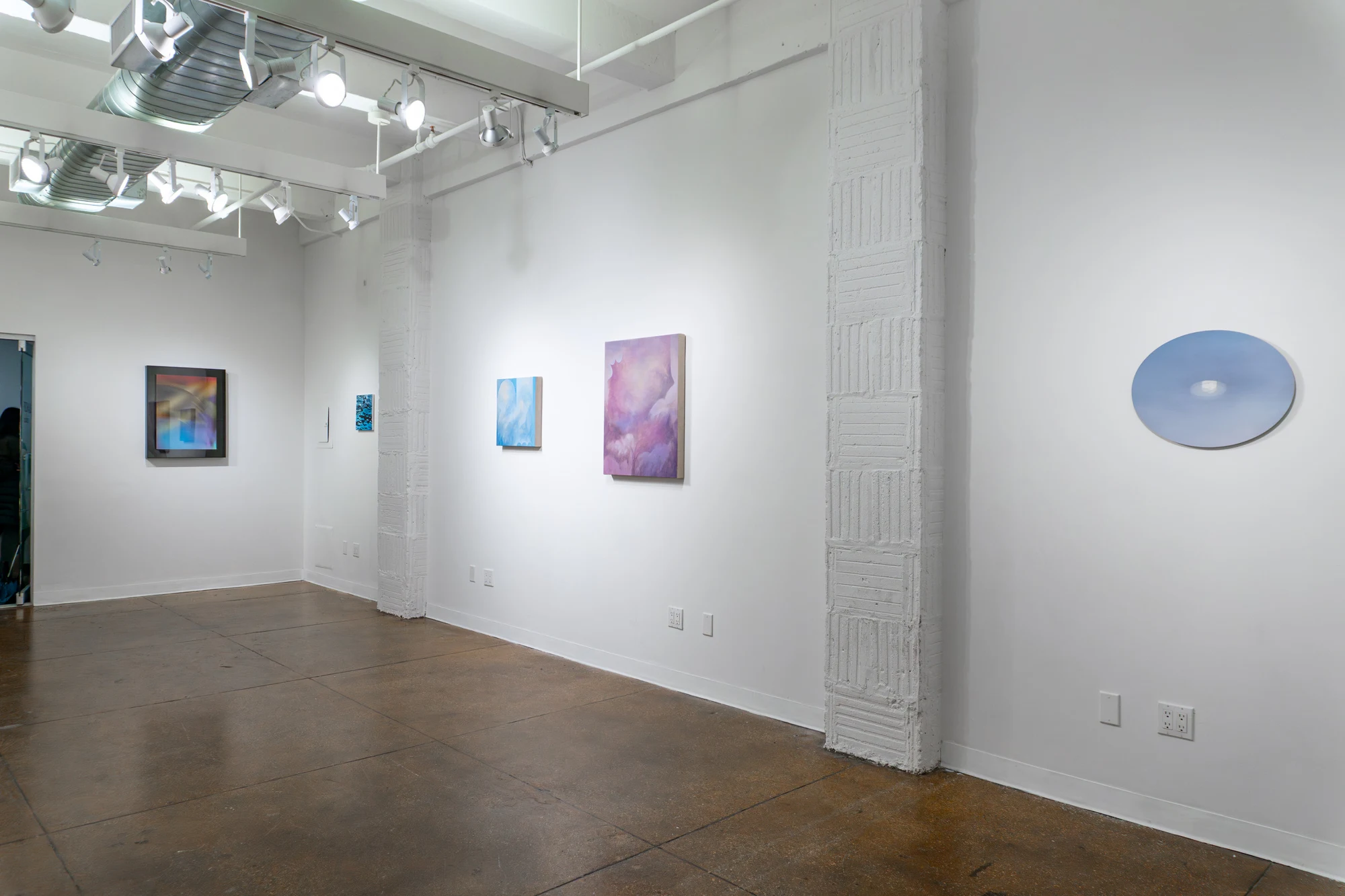
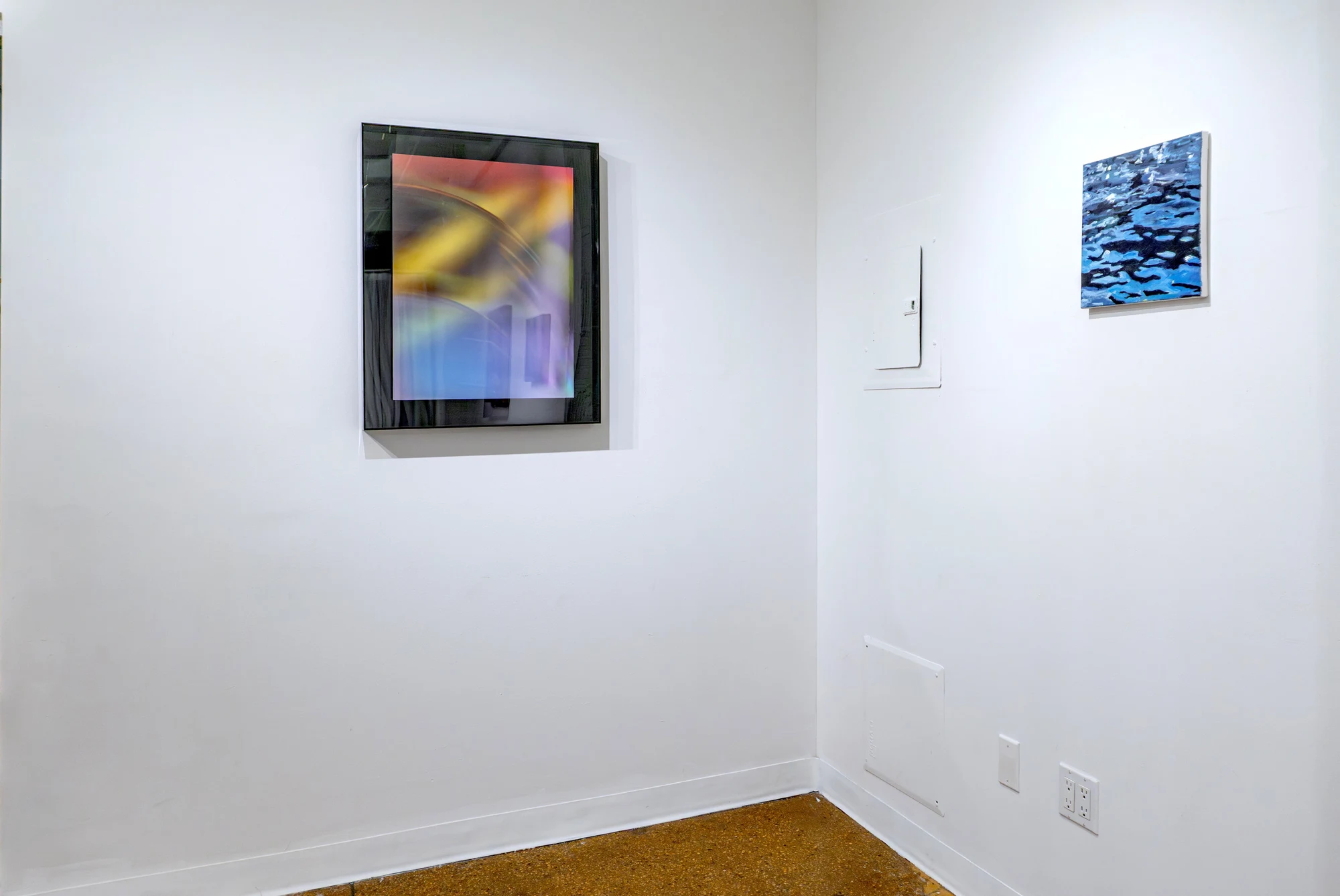
Installation view, Osmosis, FLOHAUS Gallery. Courtesy of the artists.Installation view, Osmosis, FLOHAUS Gallery. Courtesy of the artists.Installation view, Osmosis, FLOHAUS Gallery. Courtesy of the artists.Installation view, Osmosis, FLOHAUS Gallery. Courtesy of the artists.Installation view, Osmosis, FLOHAUS Gallery. Courtesy of the artists.Installation view, Osmosis, FLOHAUS Gallery. Courtesy of the artists.Installation view, Osmosis, FLOHAUS Gallery. Courtesy of the artists.Installation view, Osmosis, FLOHAUS Gallery. Courtesy of the artists.Installation view, Osmosis, FLOHAUS Gallery. Courtesy of the artists.Installation view, Osmosis, FLOHAUS Gallery. Courtesy of the artists.Installation view, Osmosis, FLOHAUS Gallery. Courtesy of the artists.Installation view, Osmosis, FLOHAUS Gallery. Courtesy of the artists.Installation view, Osmosis, FLOHAUS Gallery. Courtesy of the artists.Installation view, Osmosis, FLOHAUS Gallery. Courtesy of the artists.Installation view, Osmosis, FLOHAUS Gallery. Courtesy of the artists.Installation view, Osmosis, FLOHAUS Gallery. Courtesy of the artists.Installation view, Osmosis, FLOHAUS Gallery. Courtesy of the artists.Installation view, Osmosis, FLOHAUS Gallery. Courtesy of the artists.
Works in the exhibition
Guo TongtongDream: A Wish, 2025Paper-based mixed media17.7 × 17.7 in (45 × 45 cm)Guo TongtongLove Letter: Snow of That Night, 2025Paper-based mixed media11.8 × 15.7 in (30 × 40 cm)Guo TongtongLove Letter – Lotus, 2024Paper-based mixed media11.8 × 5.9 in (30 × 15 cm)Guo TongtongTo Bach, Opus 3, 2024Paper-based mixed media7.9 × 9.8 in (20 × 25 cm)Guo TongtongMemory: A Summer Night, 2025Paper-based mixed media11.8 × 15.7 in (30 × 40 cm)Kyung KimWinter Haze, 2025Oil on linen18 × 18 in (45.7 × 45.7 cm)Kyung KimBlooming Desert, 2026Oil on linen31 × 25 in (78.7 × 63.5 cm)Joy LiOur Ephemeral Eternity: Our Love, Our Ordinary Battlefield, 2025Mixed media installation (variable dimensions)Dish rack, metal, apple, kitchen towel, fish oil, snake plant, dragon tree, rubber, PLA, glass, rabbit hair, bath towel, facial steaming towel, screen, knife, fork, spoon, eggbeater, magnet, cable, plastic, ceramic, wood, fabric, speaker, digital clock, dish soap, water, human bodyXingze LiUntitled (mid Jan. on 43 St), 2024Dye sublimation on aluminum16 × 20 in (40.6 × 50.8 cm)Yu Ruo-JieTake a Nap in Bubble – No. 18, 2022PhotographyBingyi ZhangWhisper of Water, 2024Acrylic on canvas12 × 12 in (30.5 × 30.5 cm)
Nugyen Wahed Gallery, 504 E 12th St, New York, NY 10009
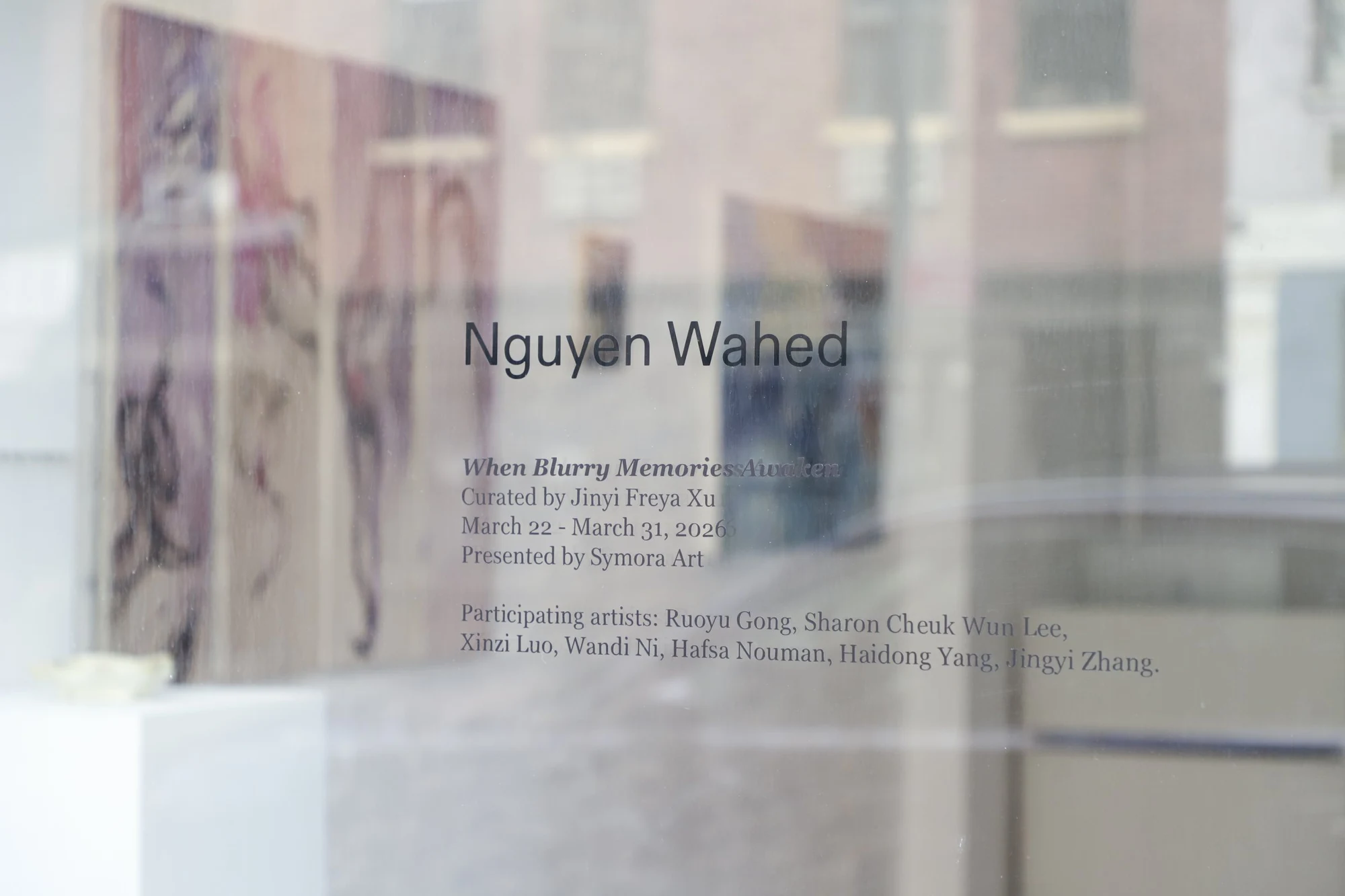
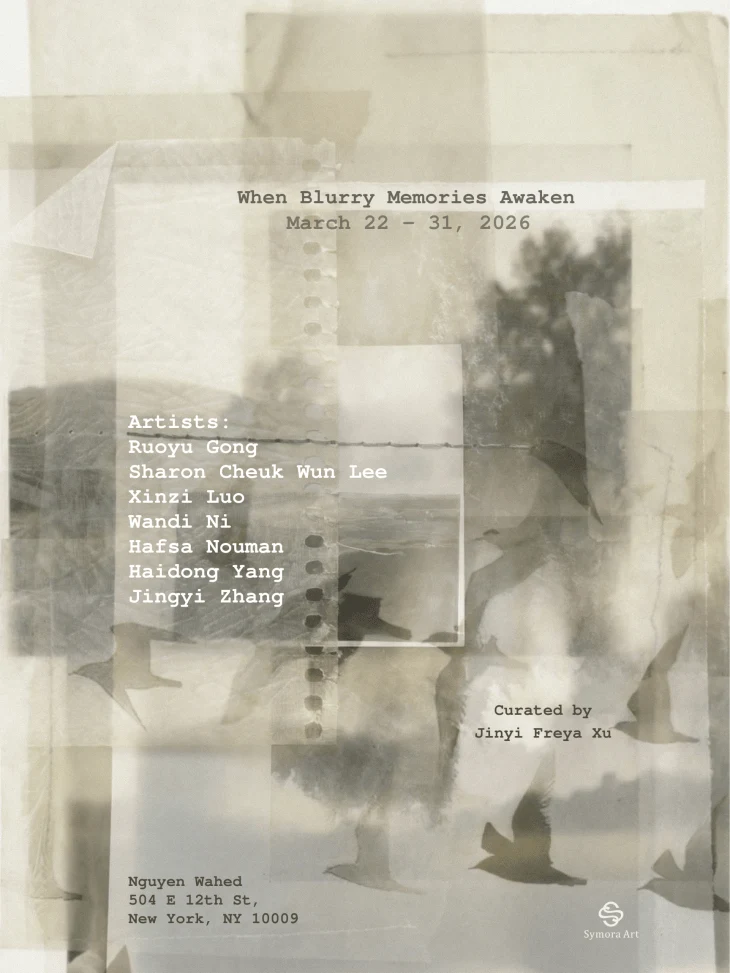
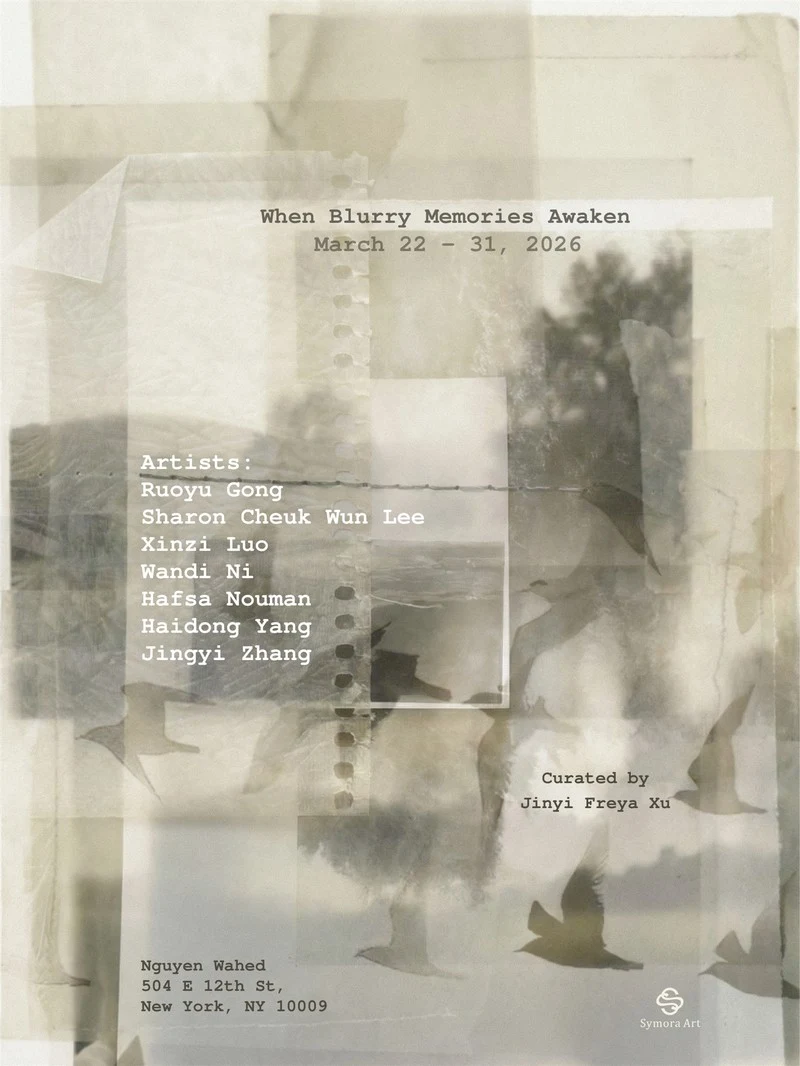
March 22 - March 31, 2026
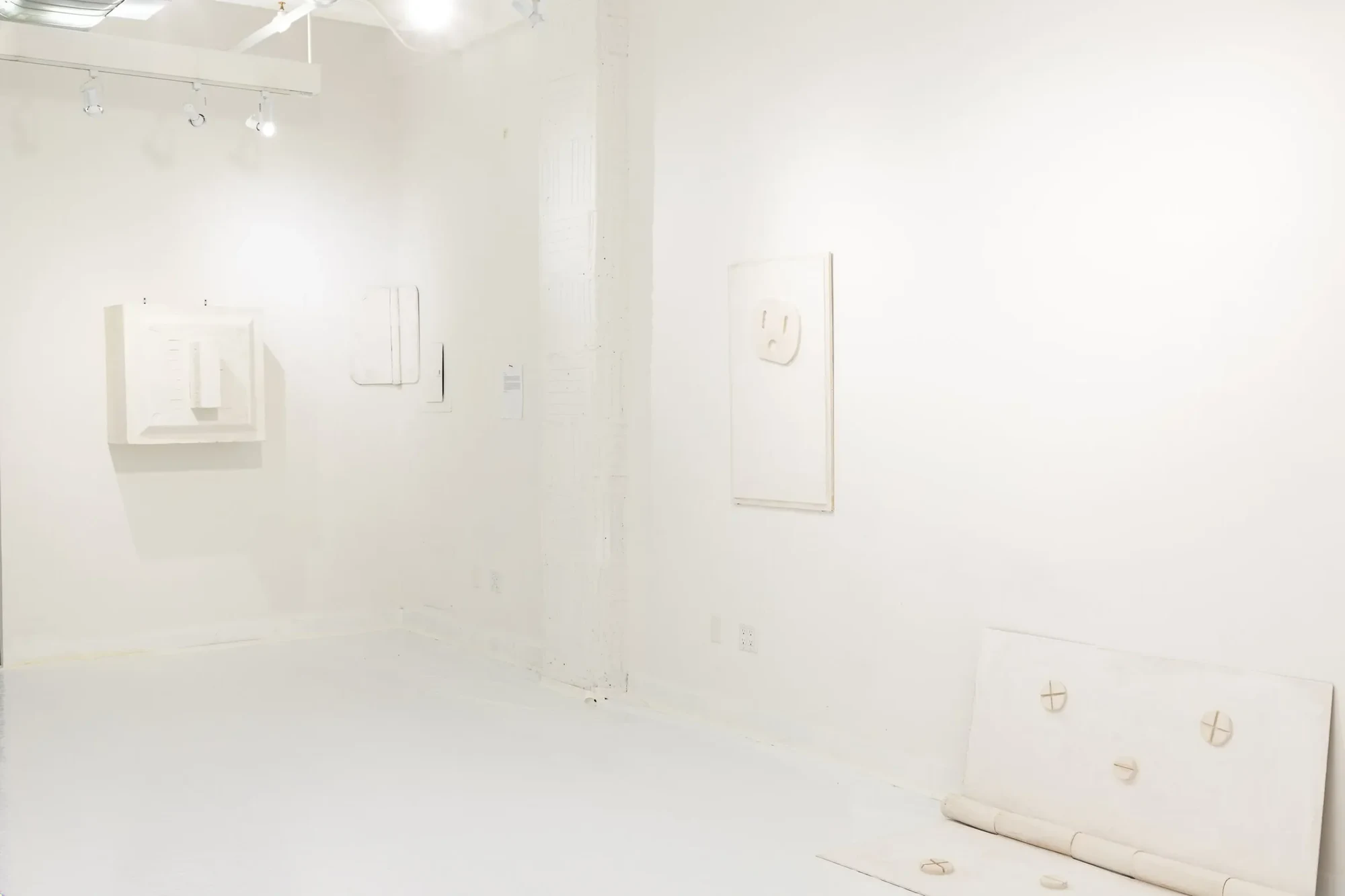
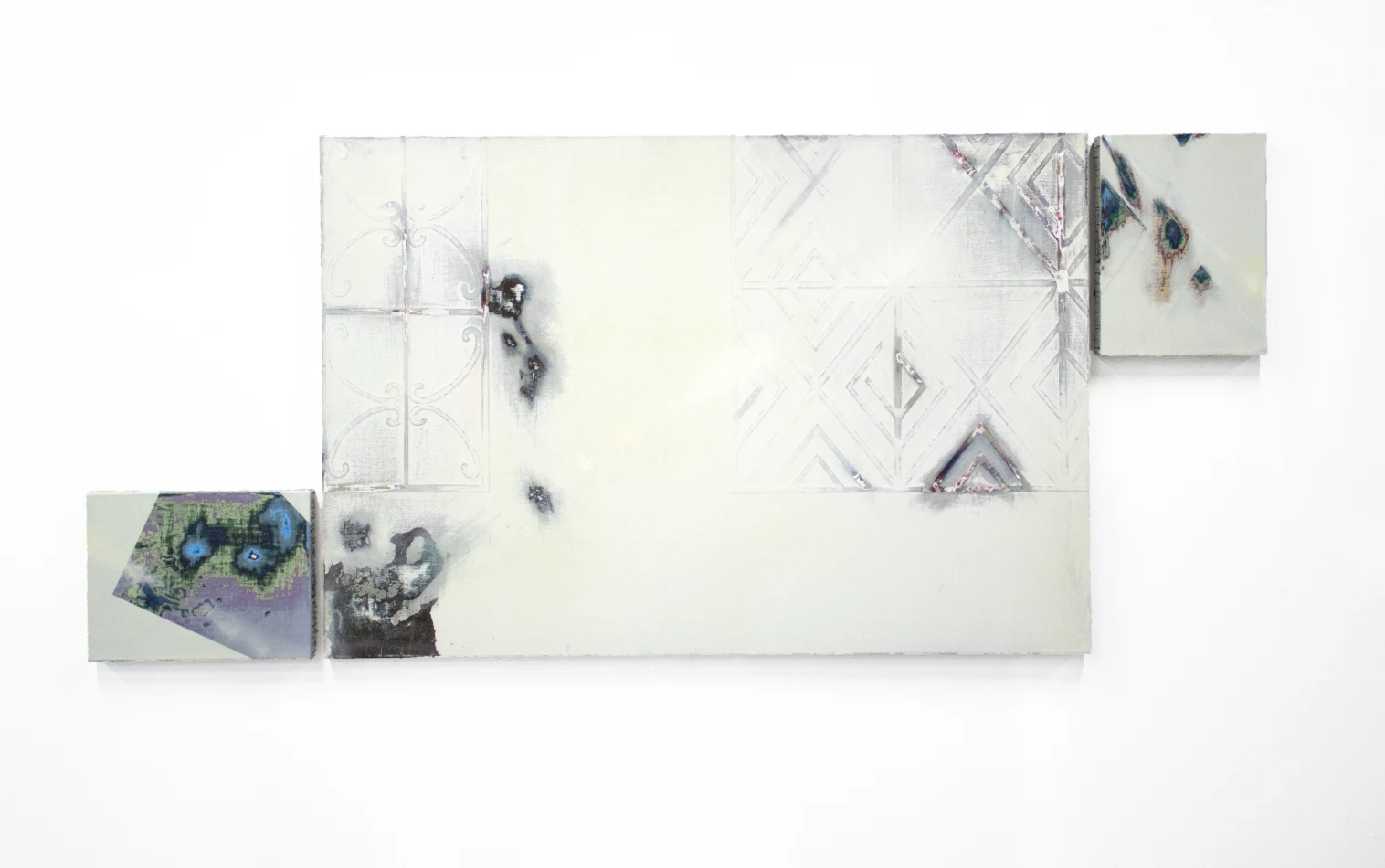
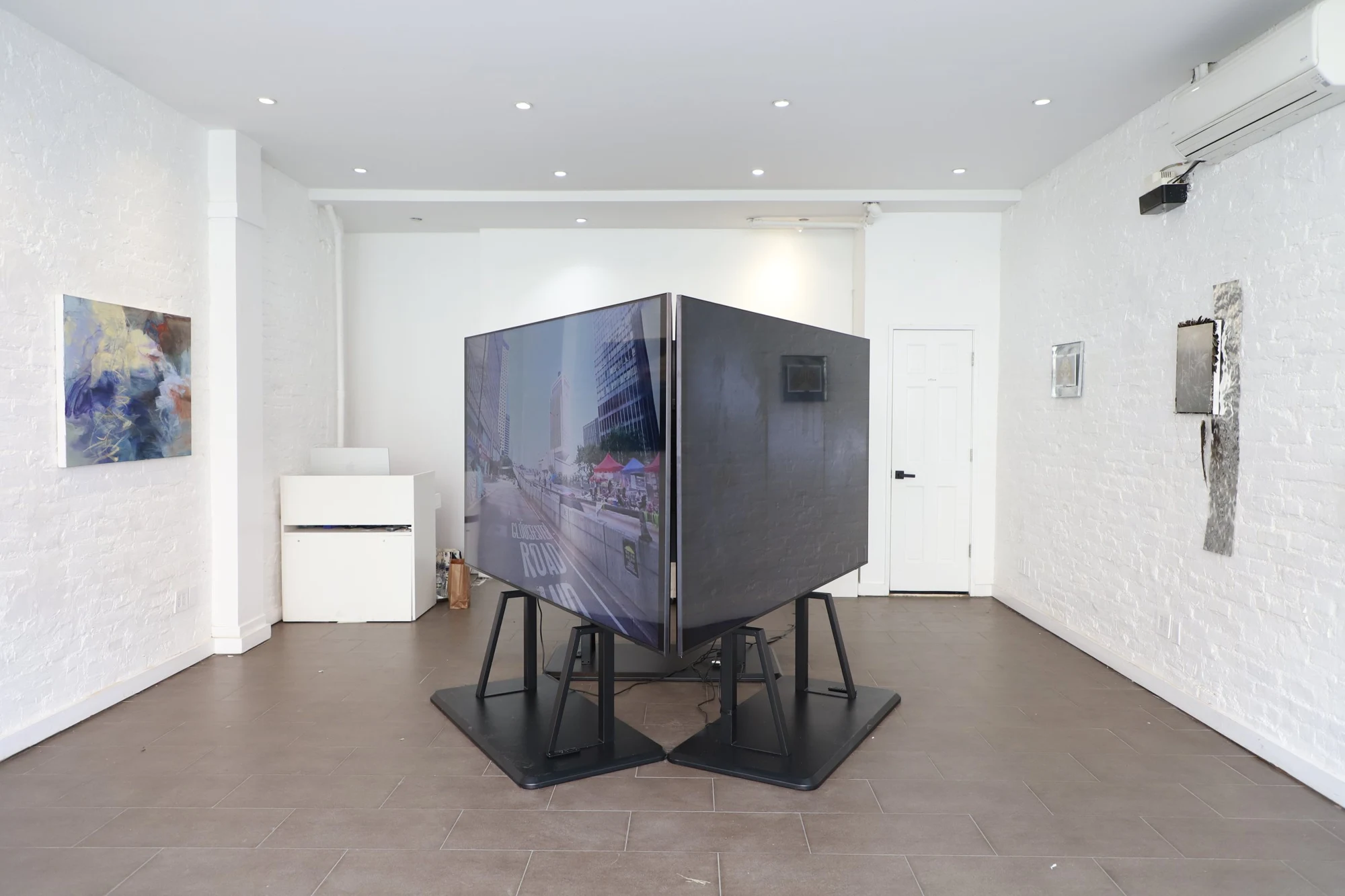
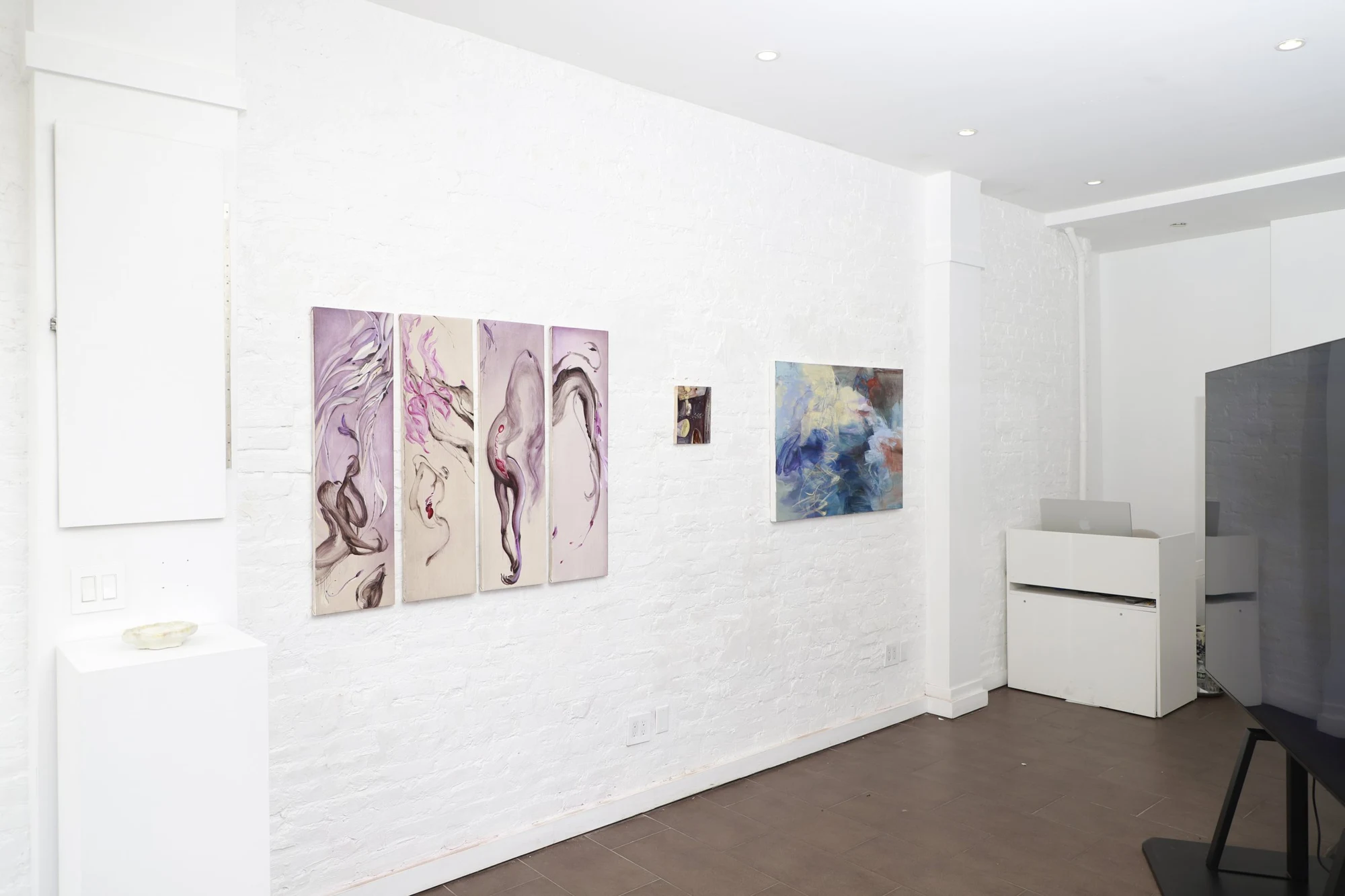
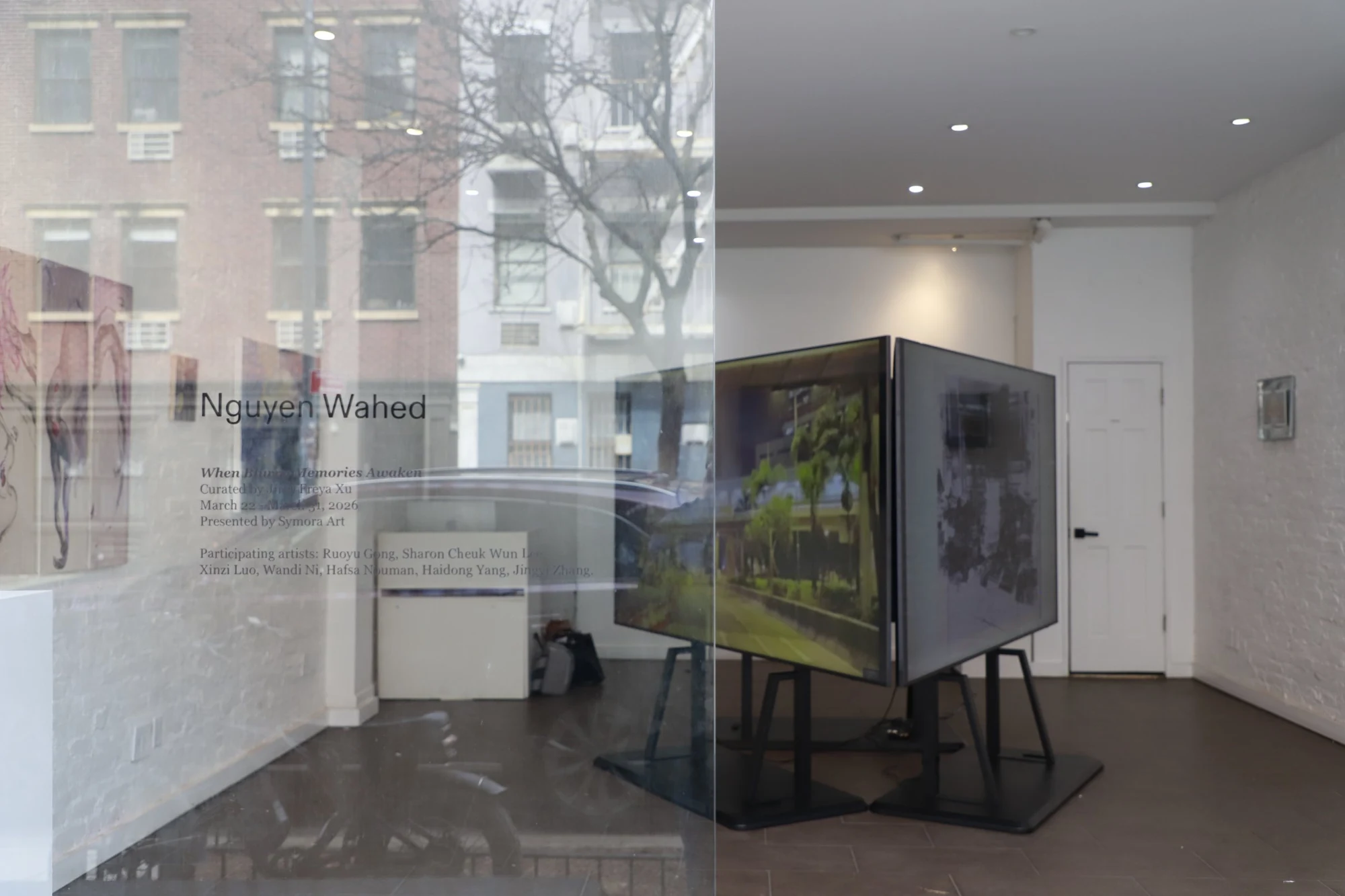
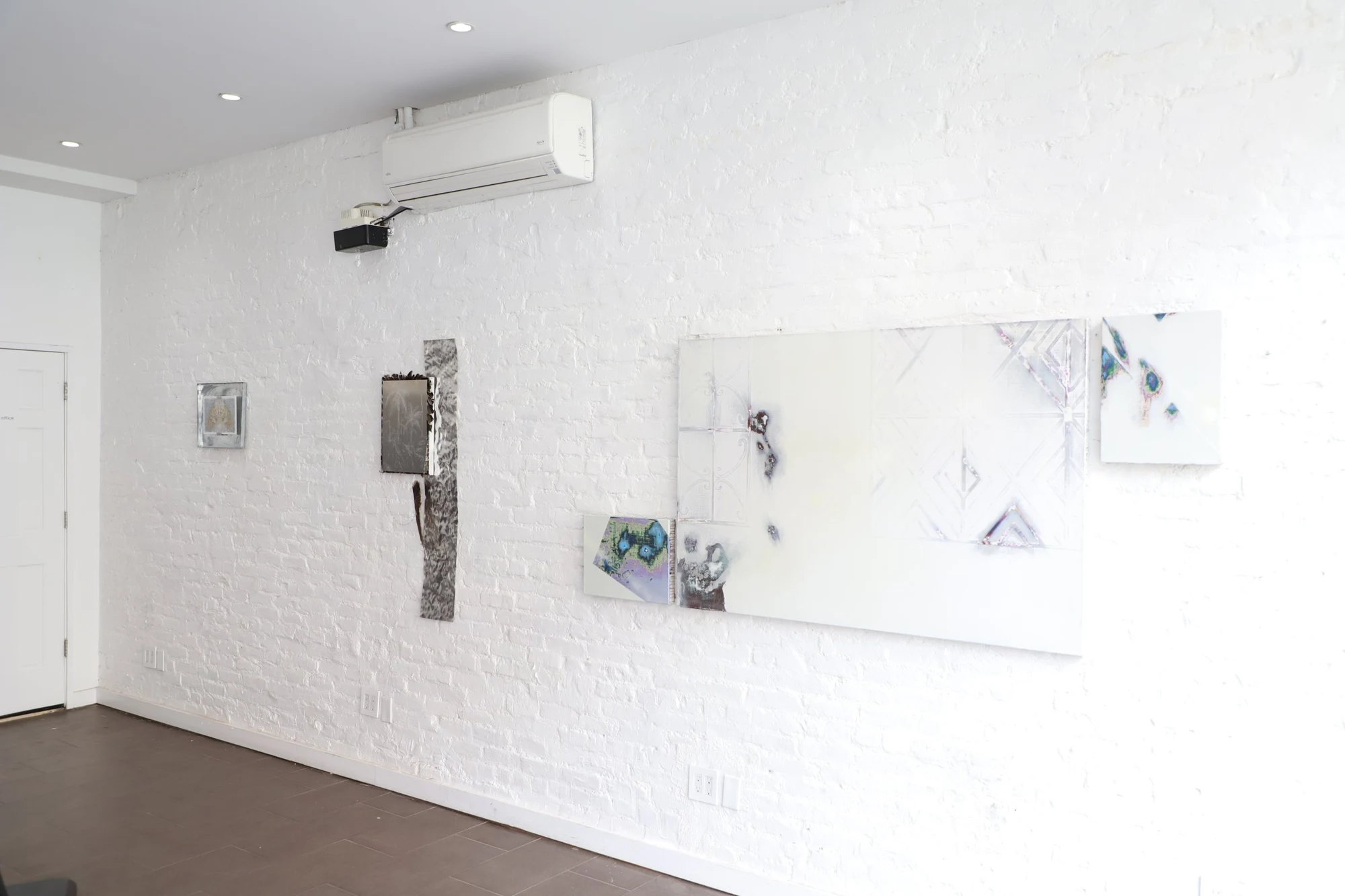
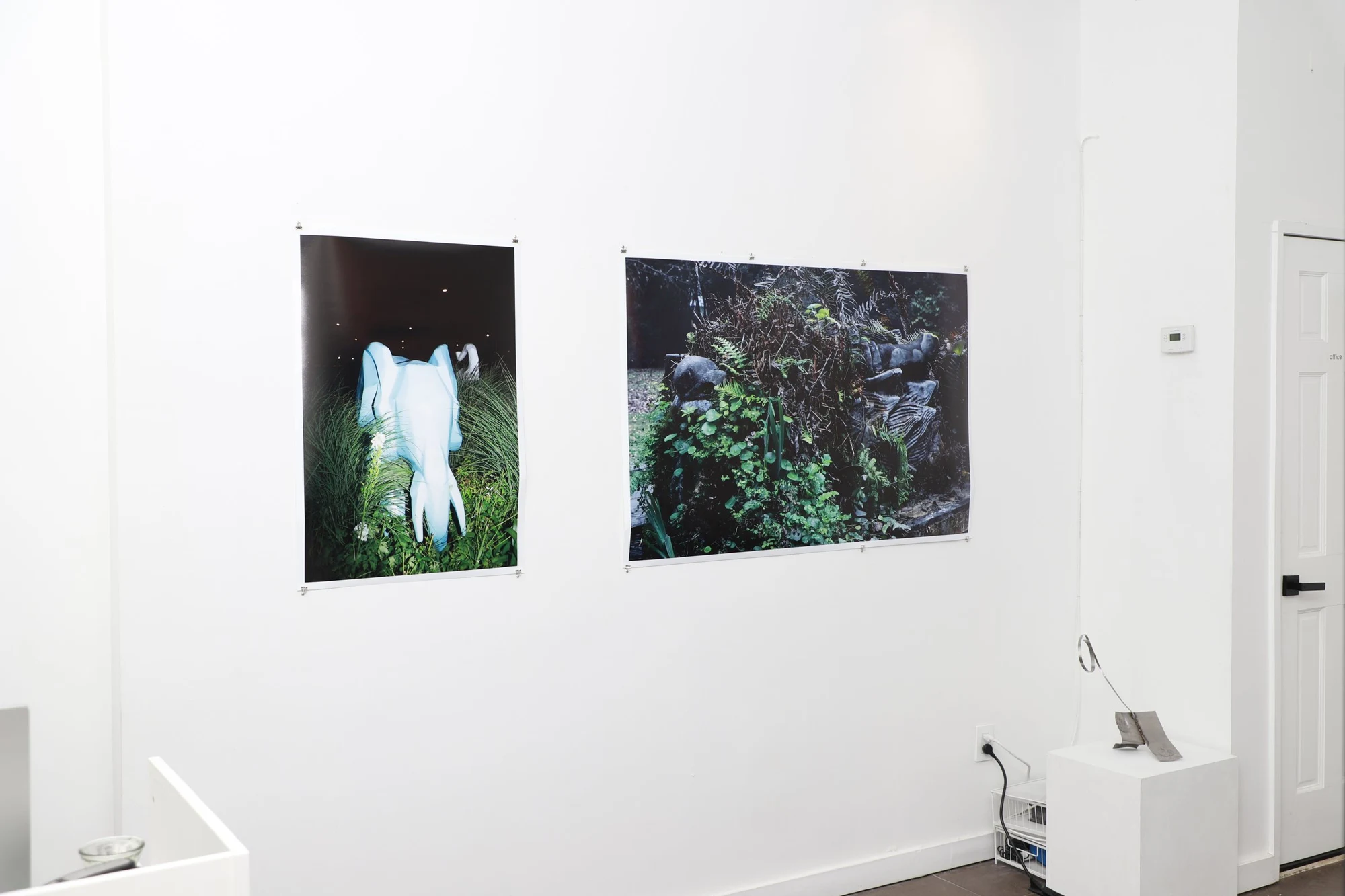
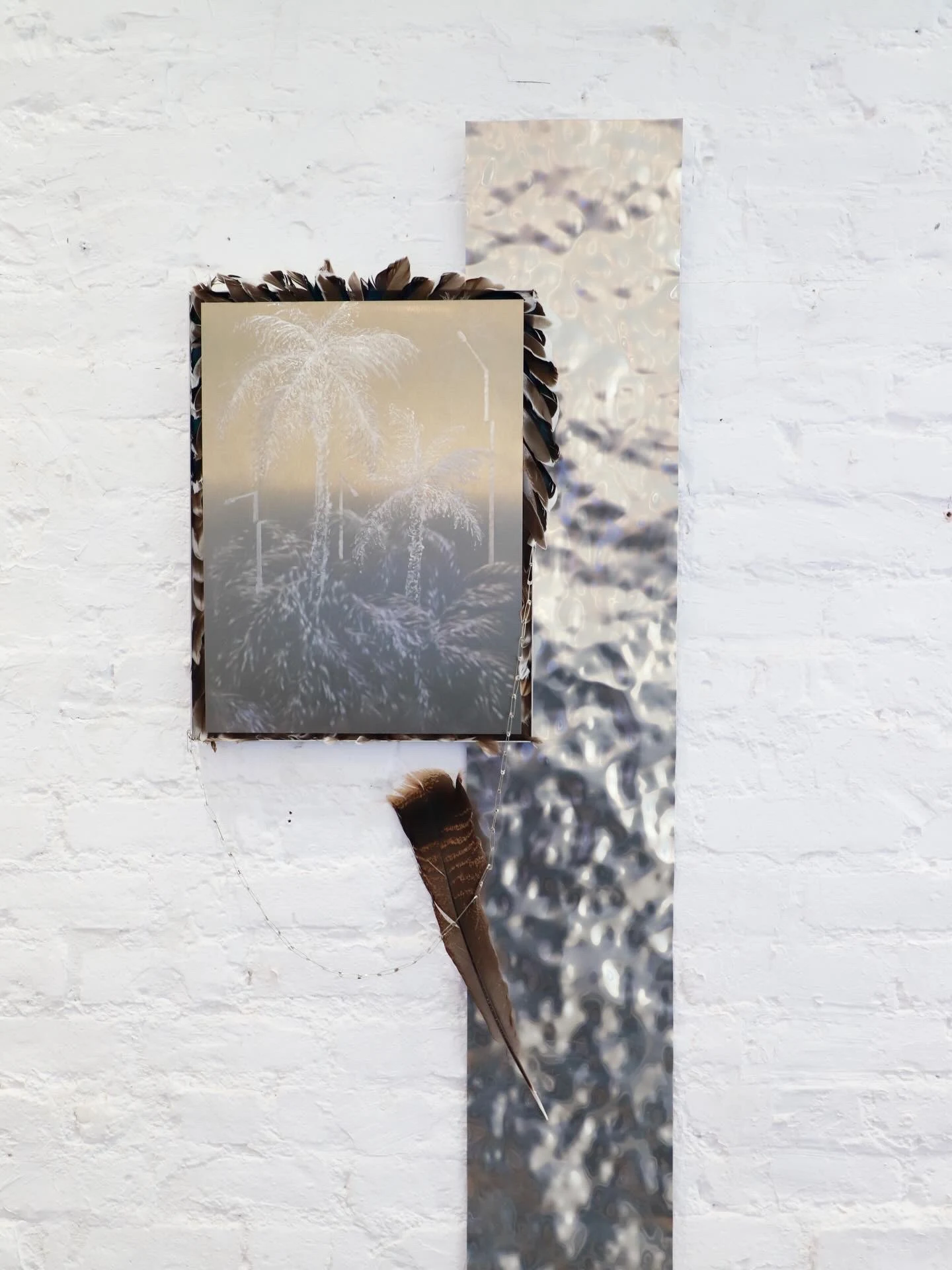
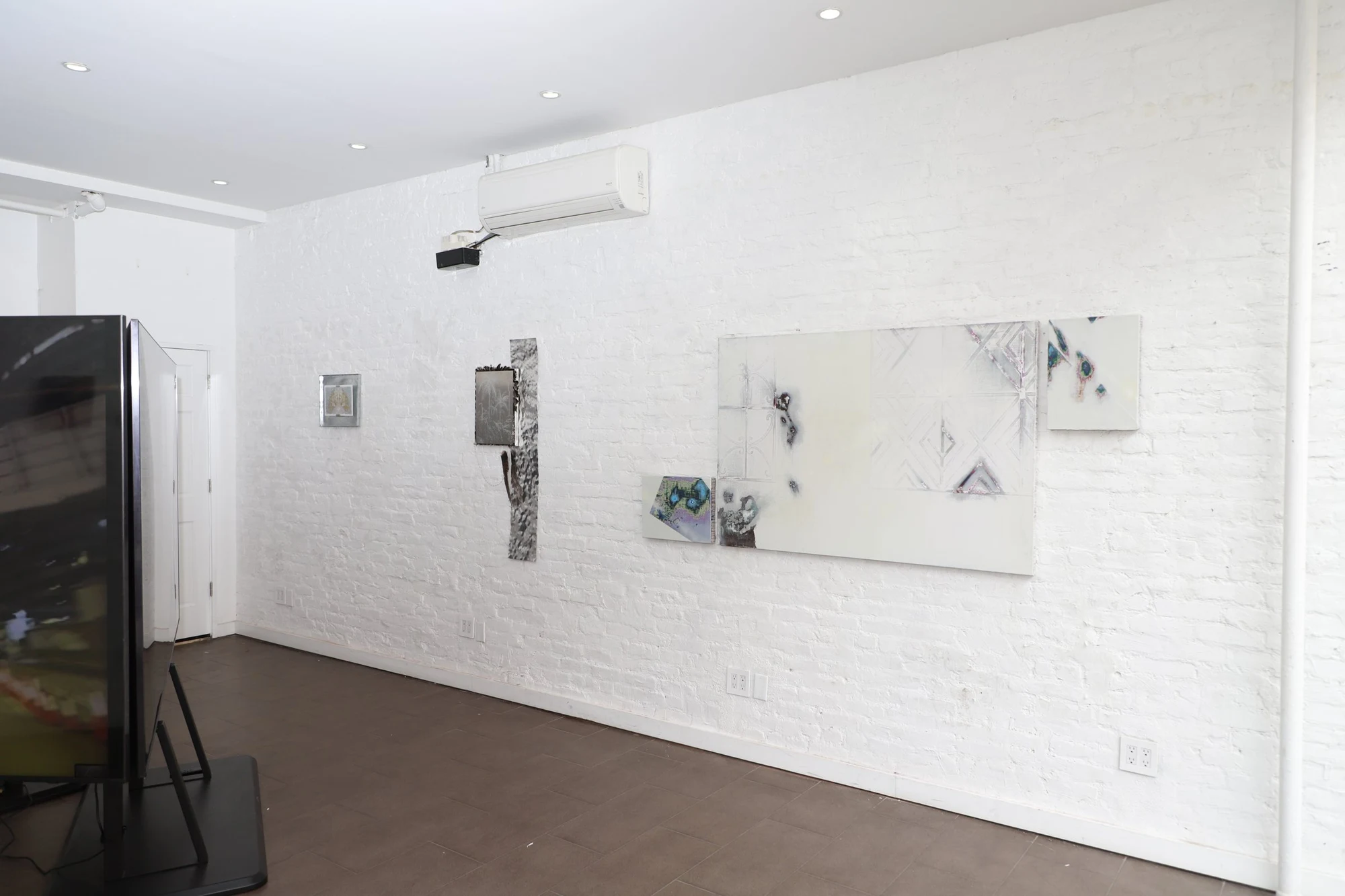
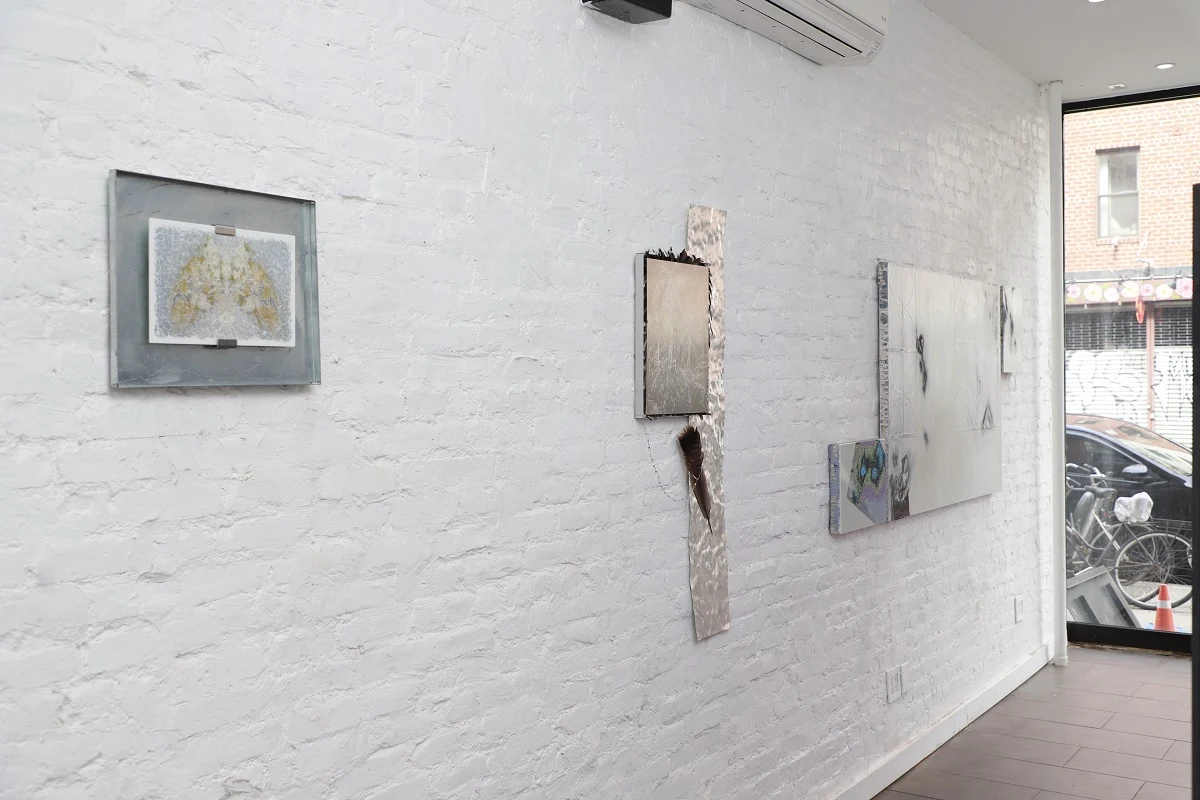
We are pleased to present When Blurry Memories Awaken, an exhibition curated by Jinyi Freya Xu that brings together seven artists – Ruoyu Gong, Sharon Cheuk Wun Lee, Xinzi Luo, Wandi Ni, Hafsa Nouman, Haidong Yang, Jingyi Zhang. Rather than treating memory as a fixed archive of the past, the exhibition approaches it as a process shaped by perception, materiality, and temporal distance, one that continuously oscillates between recollection and imagination.
The physical presence are vessels of our own experiences, shaped and sustained by the totality of our memories. Every recollection constructs the architecture of our present self. Yet when we turn back toward the past, memory always appears in flux — both near and distant, shadow-like yet illusory. Blurry memory is not simply a residue of forgetting, but the inherent form through which memory exists. It reveals how our perception of the past is continuously defined by processes of layering, fading, and reconstruction.
In remembering, the distinction between objectivity and subjectivity begins to dissolve. Memory no longer reproduces fact; it becomes an act of re-creation, woven from perception, emotion, and imagination. The exhibition resists medium-based categorisation in favour of perceptual proximity. Painting, photography, and object-based works are placed in dialogue through shared concerns with surface, transparency, repetition, and trace.
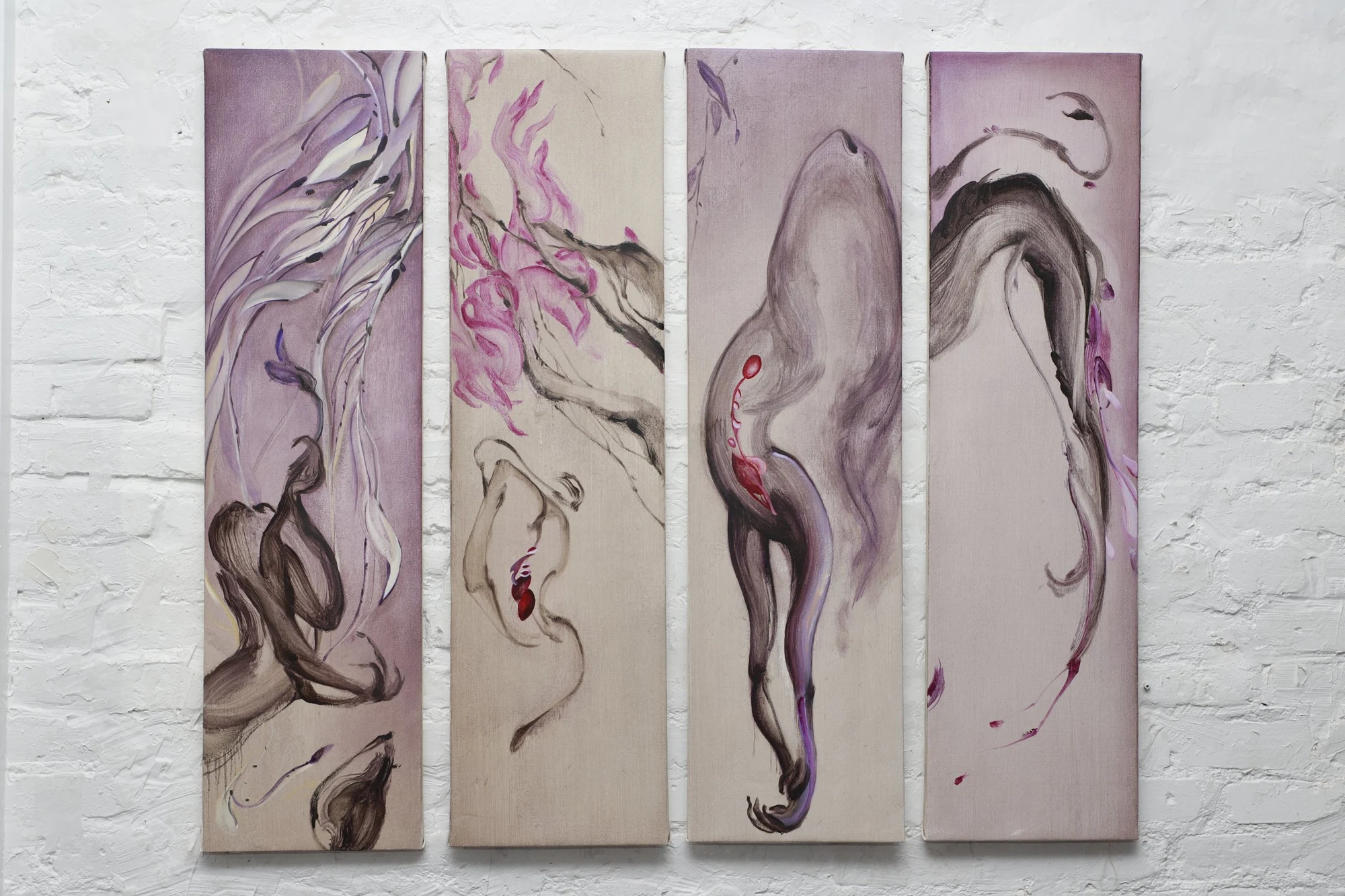
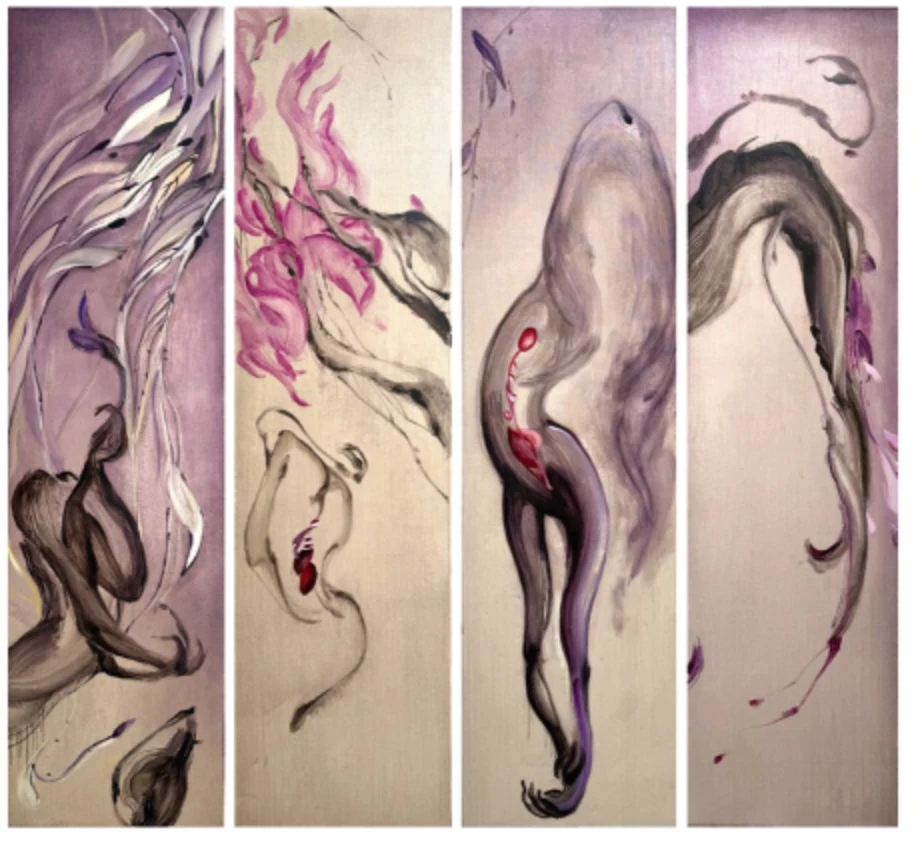
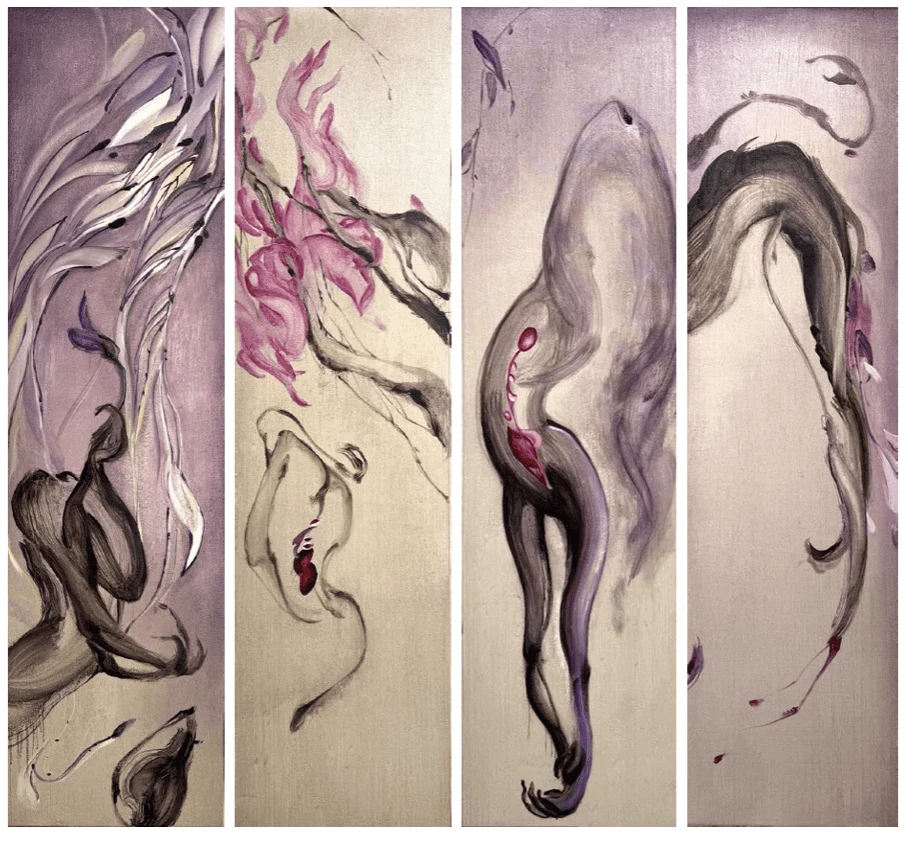
Ruoyu Gong uses personal symbolism to explore psychological interiority and emotional perception. Sharon Cheuk Wun Lee works across photography, video, and installation, examining memory, historical rupture, and mediated vision through archival and cartographic approaches. Jingyi Zhang uses multi texure to explore perception through natural metaphors. Haidong Yang employs the photobook as a narrative and temporal structure to investigate alternative viewpoints and everyday power relations. Xinzi Luo works across painting, sculpture, and socially engaged practice, exploring utopian imagination and relational community structures. Hafsa Nouman examines memory, desire, and colonial histories through spatial thresholds, material surfaces, and embodied gestures in painting. Wandi Ni creates multi-panel paintings that reflect on shared memory between humans and non-humans, rooted in land, time, and ecological continuity.
In an image-saturated per45resent defined by speed and clarity, When Blurry Memories Awaken insists on the value of uncertainty. Blurriness functions as a critical space, which allows memory to remain active, porous, and unresolved, reminding us that what shapes subjectivity most deeply is often what cannot be fully fixed or confirmed.
Installation views
1 / 24
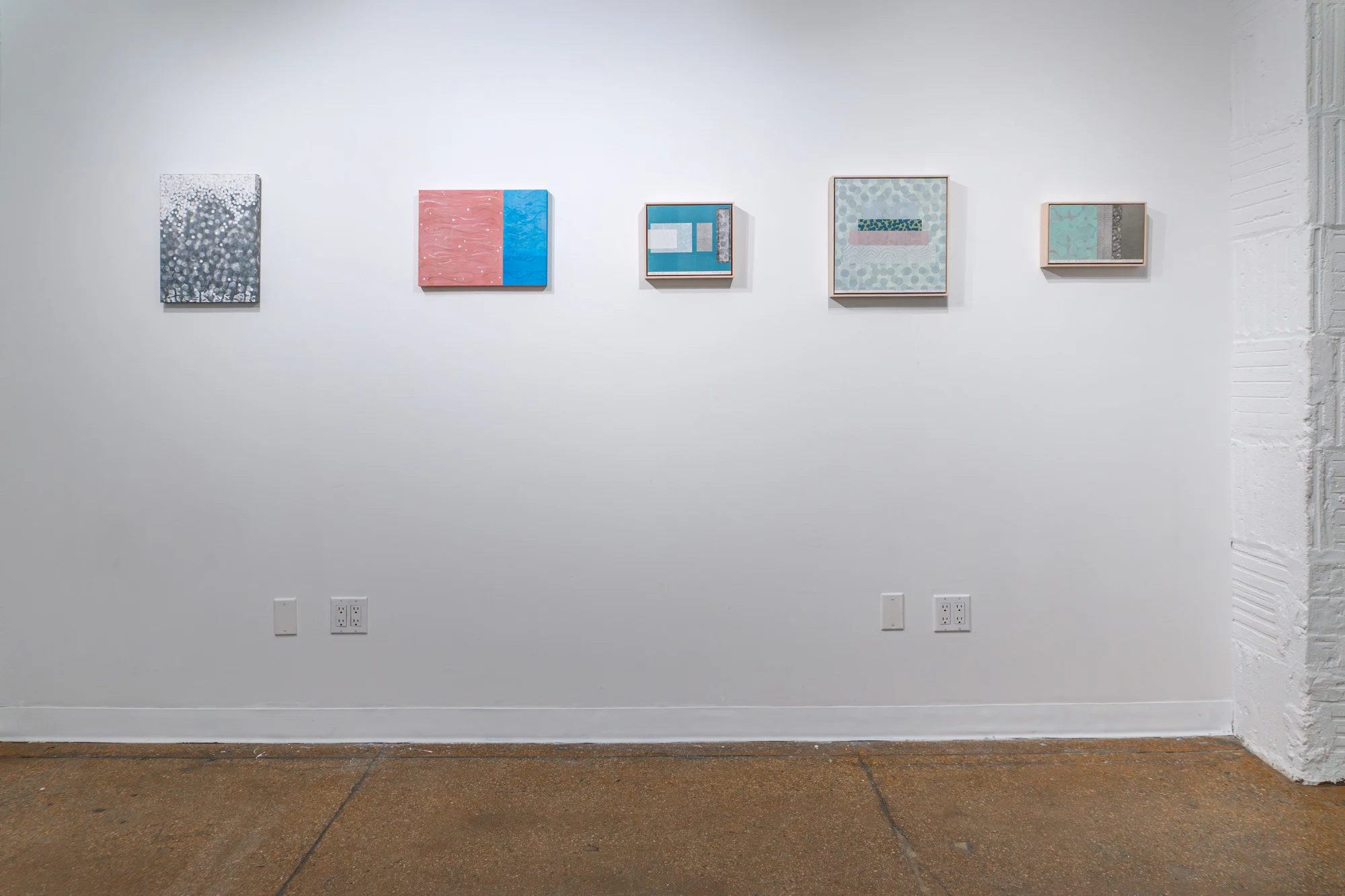
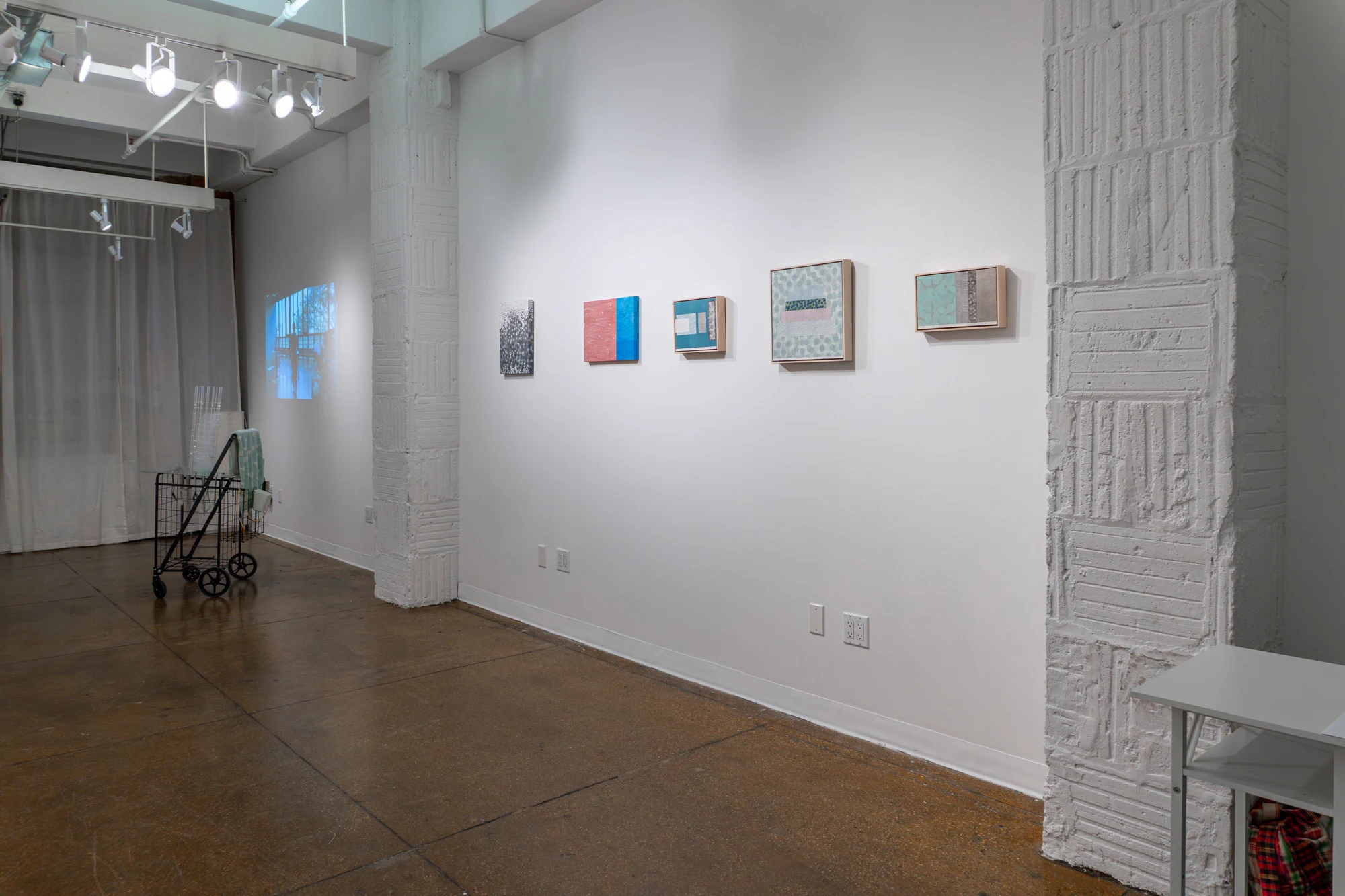
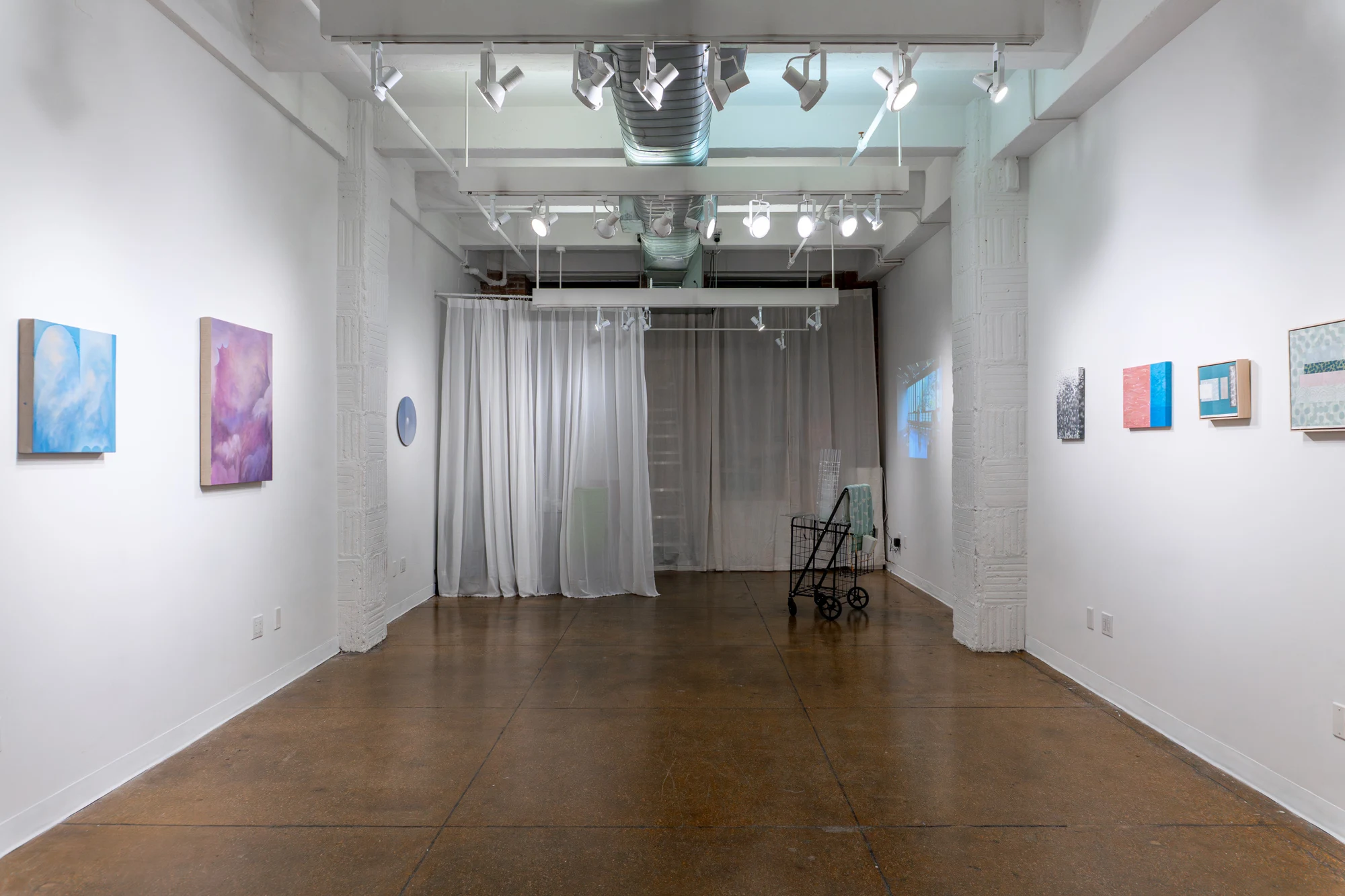
Installation view, Blurry Memories, Nguyen Wahed. Courtesy of the artist.Installation view, Blurry Memories, Nguyen Wahed. Courtesy of the artist.Installation view, Blurry Memories, Nguyen Wahed. Courtesy of the artist.Installation view, Blurry Memories, Nguyen Wahed. Courtesy of the artist.Installation view, Blurry Memories, Nguyen Wahed. Courtesy of the artist.Installation view, Blurry Memories, Nguyen Wahed. Courtesy of the artist.Installation view, Blurry Memories, Nguyen Wahed. Courtesy of the artist.Installation view, Blurry Memories, Nguyen Wahed. Courtesy of the artist.Installation view, Blurry Memories, Nguyen Wahed. Courtesy of the artist.Installation view, Blurry Memories, Nguyen Wahed. Courtesy of the artist.Installation view, Blurry Memories, Nguyen Wahed. Courtesy of the artist.Installation view, Blurry Memories, Nguyen Wahed. Courtesy of the artist.Installation view, Blurry Memories, Nguyen Wahed. Courtesy of the artist.Installation view, Blurry Memories, Nguyen Wahed. Courtesy of the artist.Installation view, Blurry Memories, Nguyen Wahed. Courtesy of the artist.Installation view, Blurry Memories, Nguyen Wahed. Courtesy of the artist.Installation view, Blurry Memories, Nguyen Wahed. Courtesy of the artist.Installation view, Blurry Memories, Nguyen Wahed. Courtesy of the artist.Installation view, Blurry Memories, Nguyen Wahed. Courtesy of the artist.Installation view, Blurry Memories, Nguyen Wahed. Courtesy of the artist.Installation view, Blurry Memories, Nguyen Wahed. Courtesy of the artist.Installation view, Blurry Memories, Nguyen Wahed. Courtesy of the artist.Installation view, Blurry Memories, Nguyen Wahed. Courtesy of the artist.Installation view, Blurry Memories, Nguyen Wahed. Courtesy of the artist.
Works in the exhibition
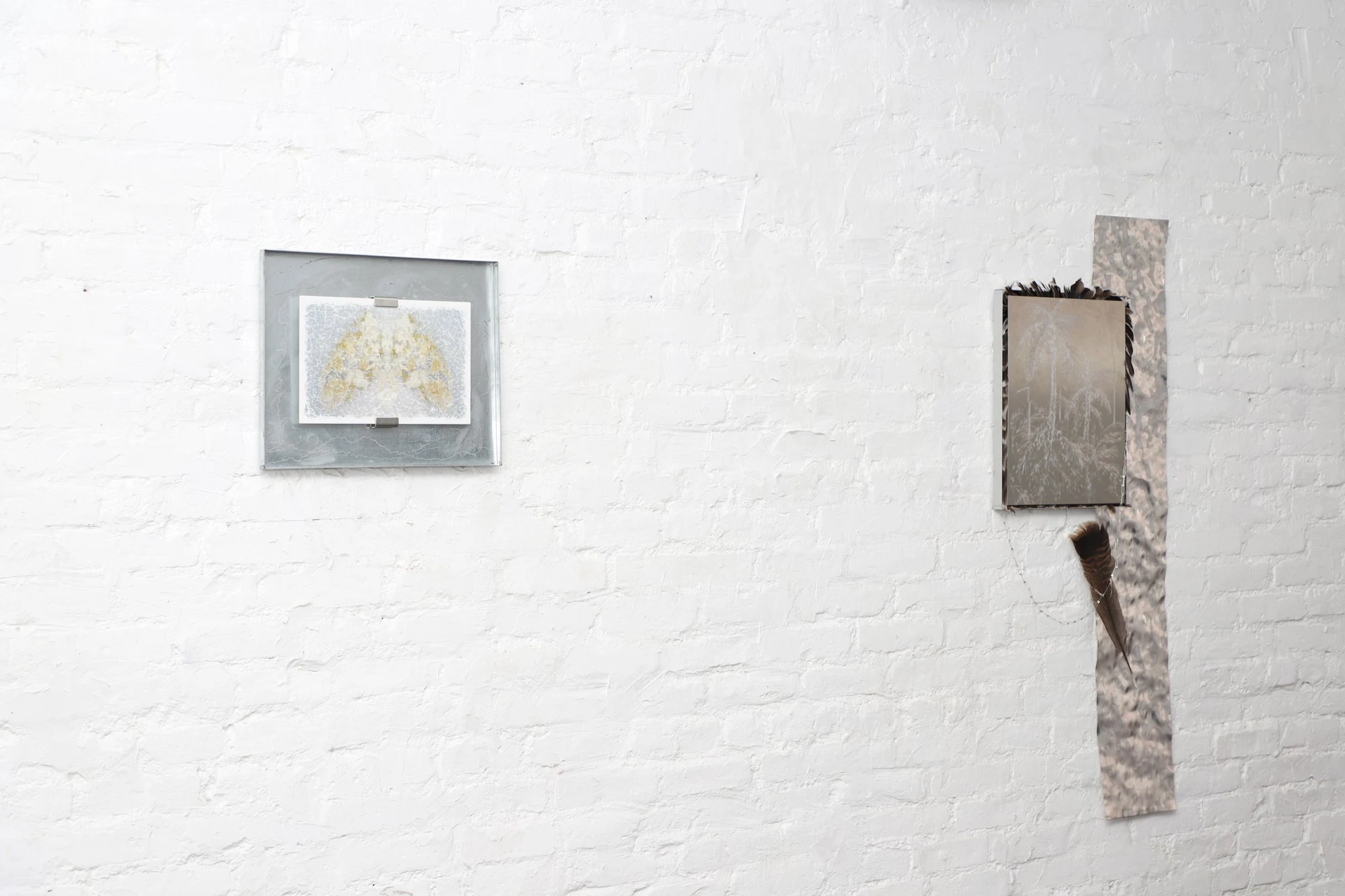
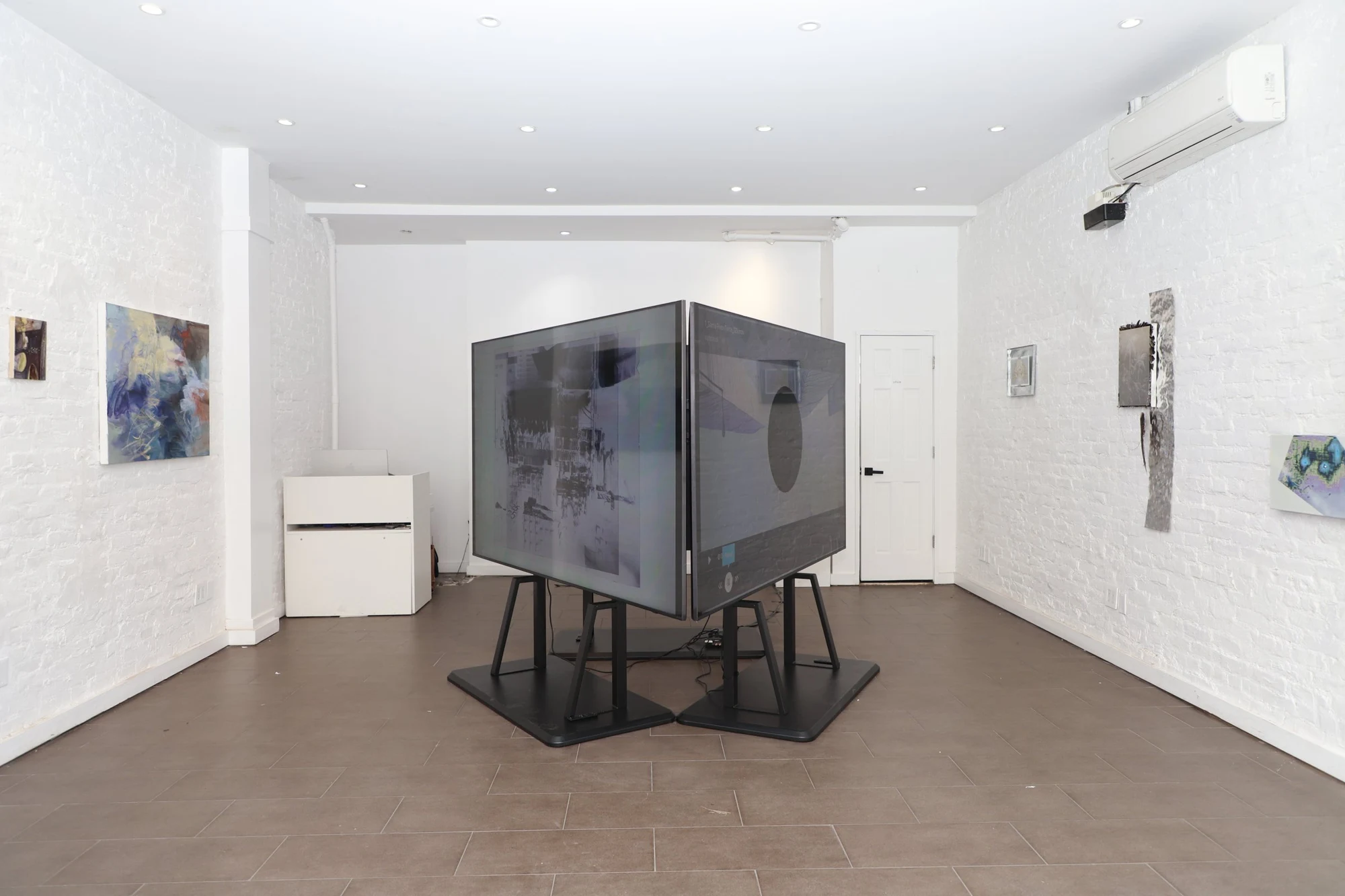
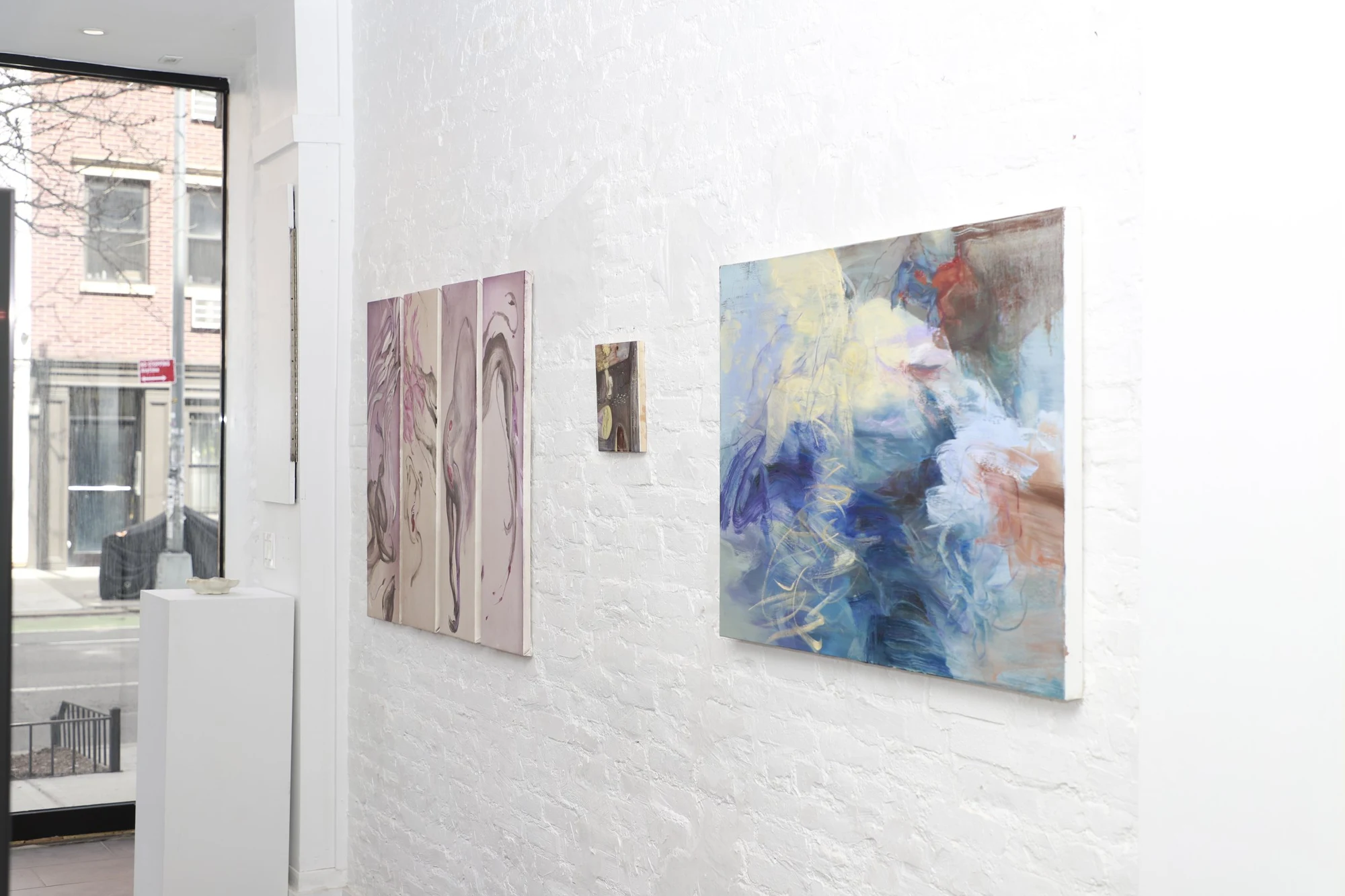
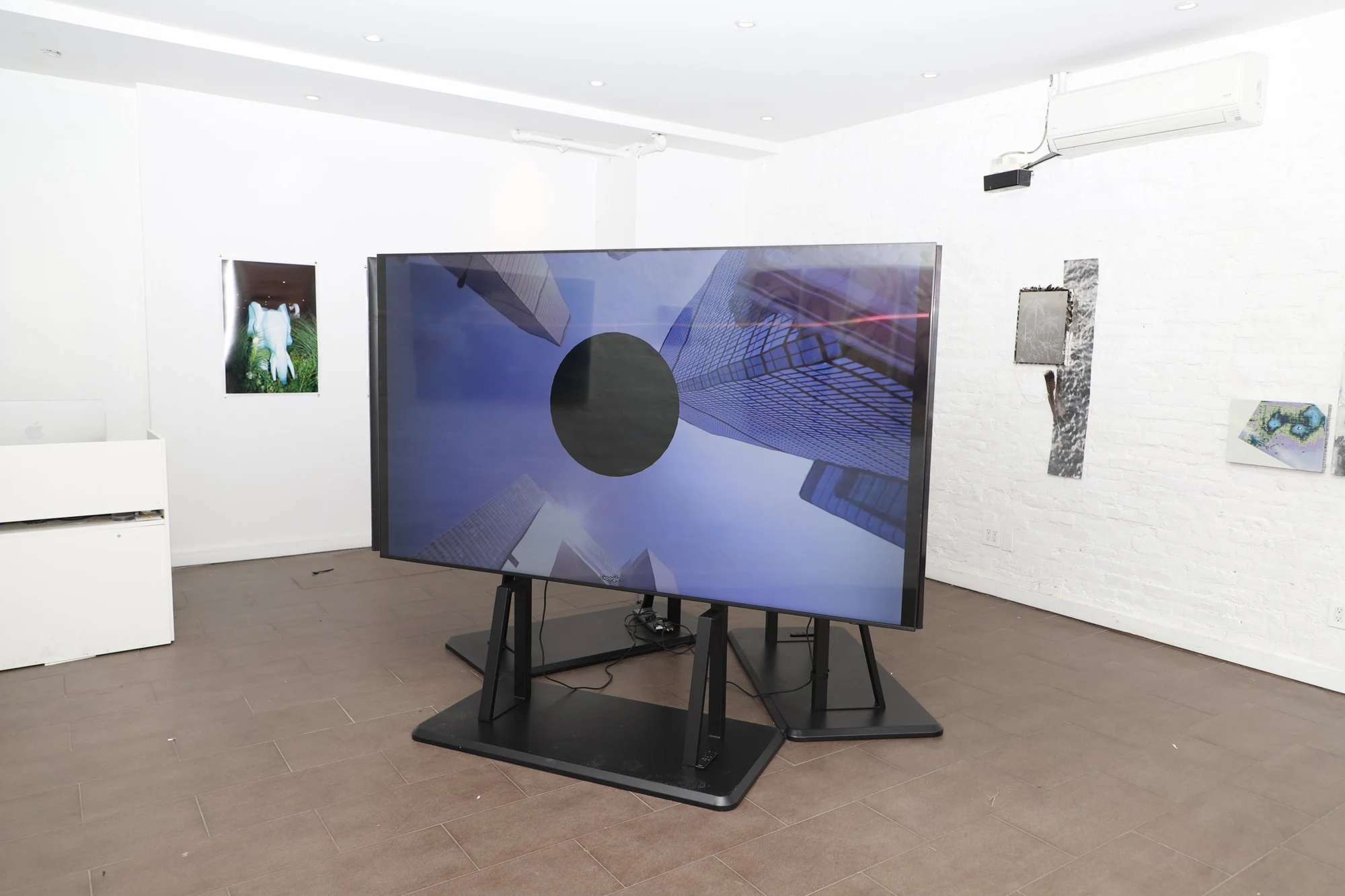
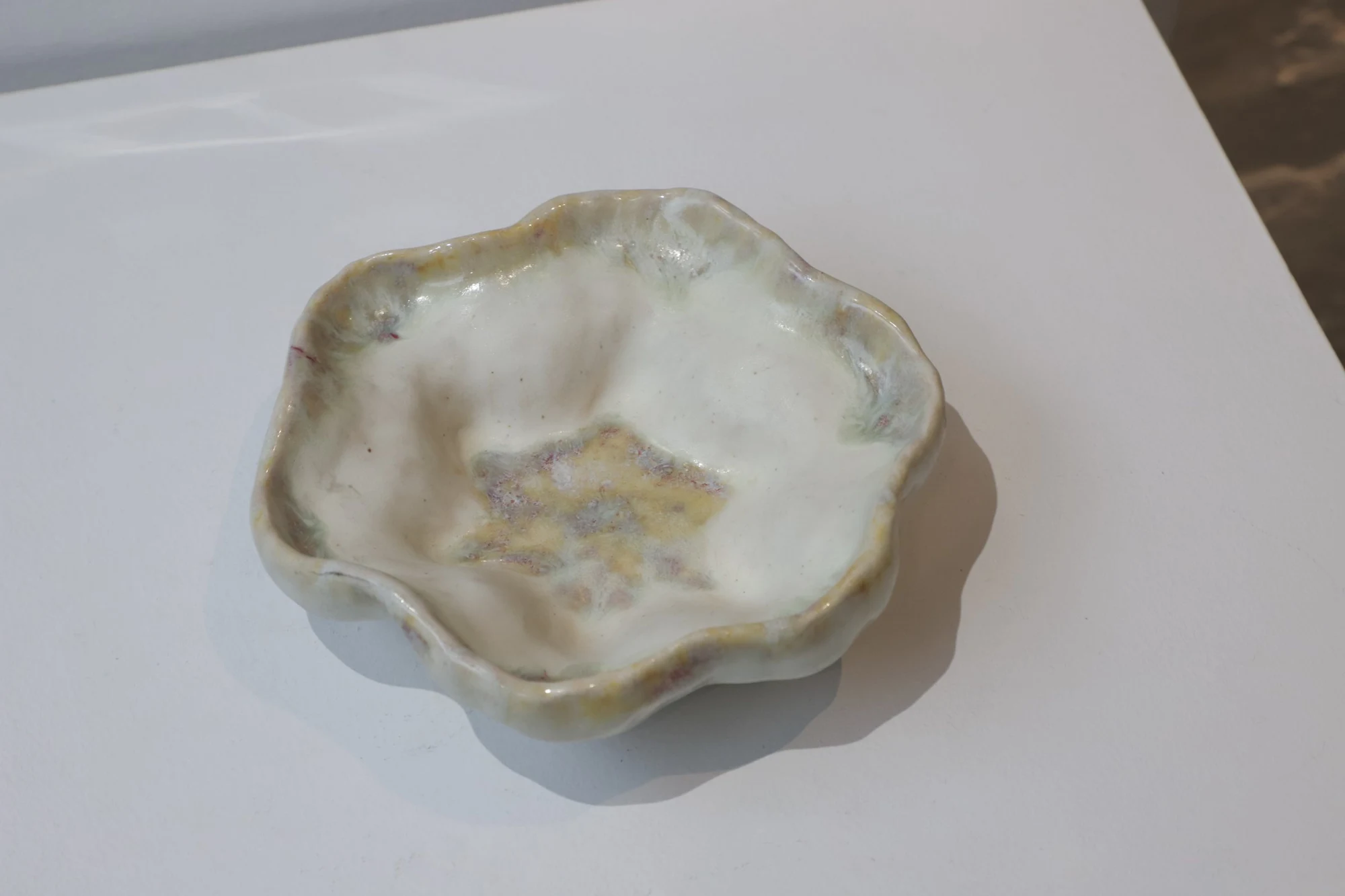
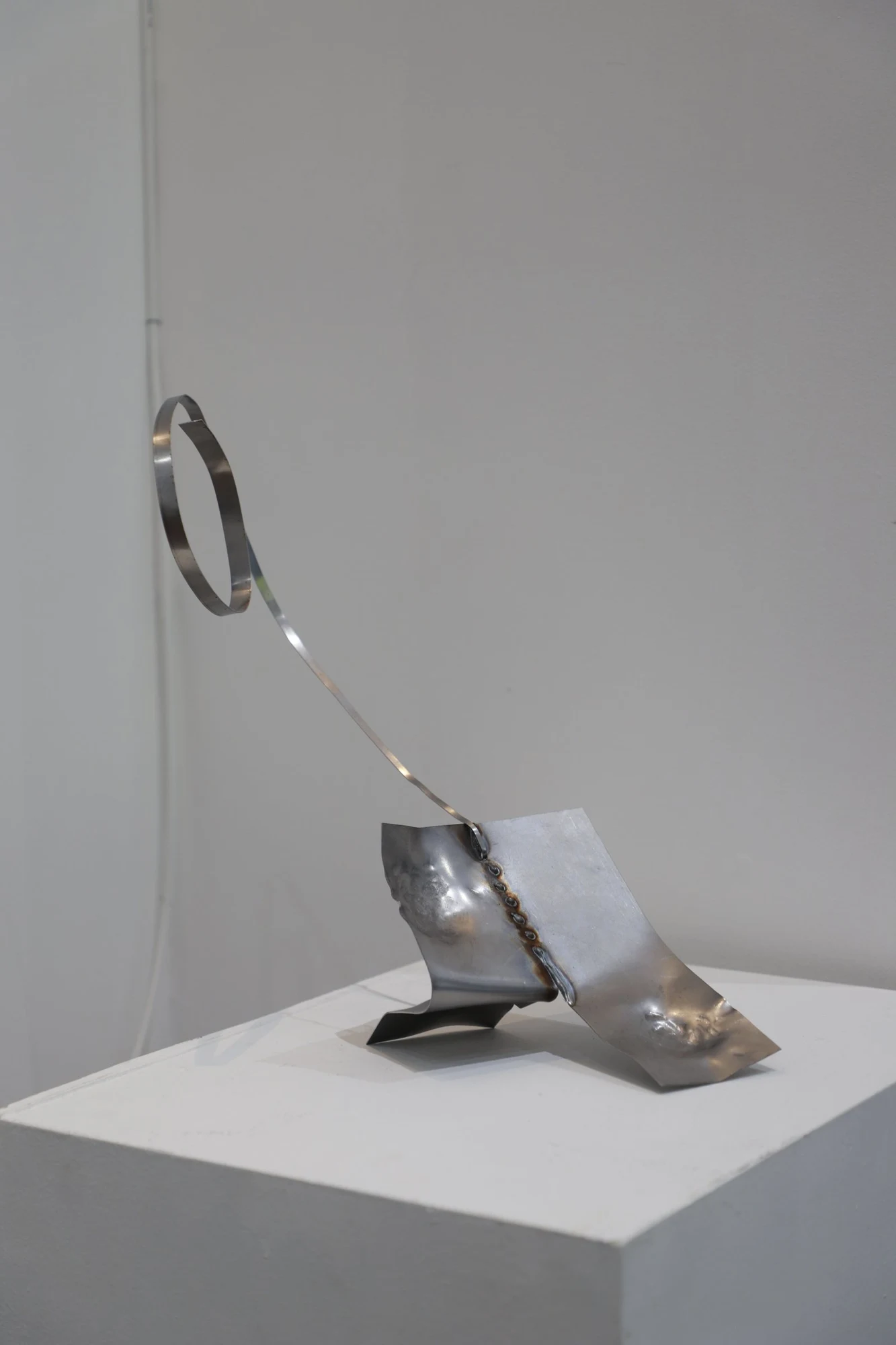
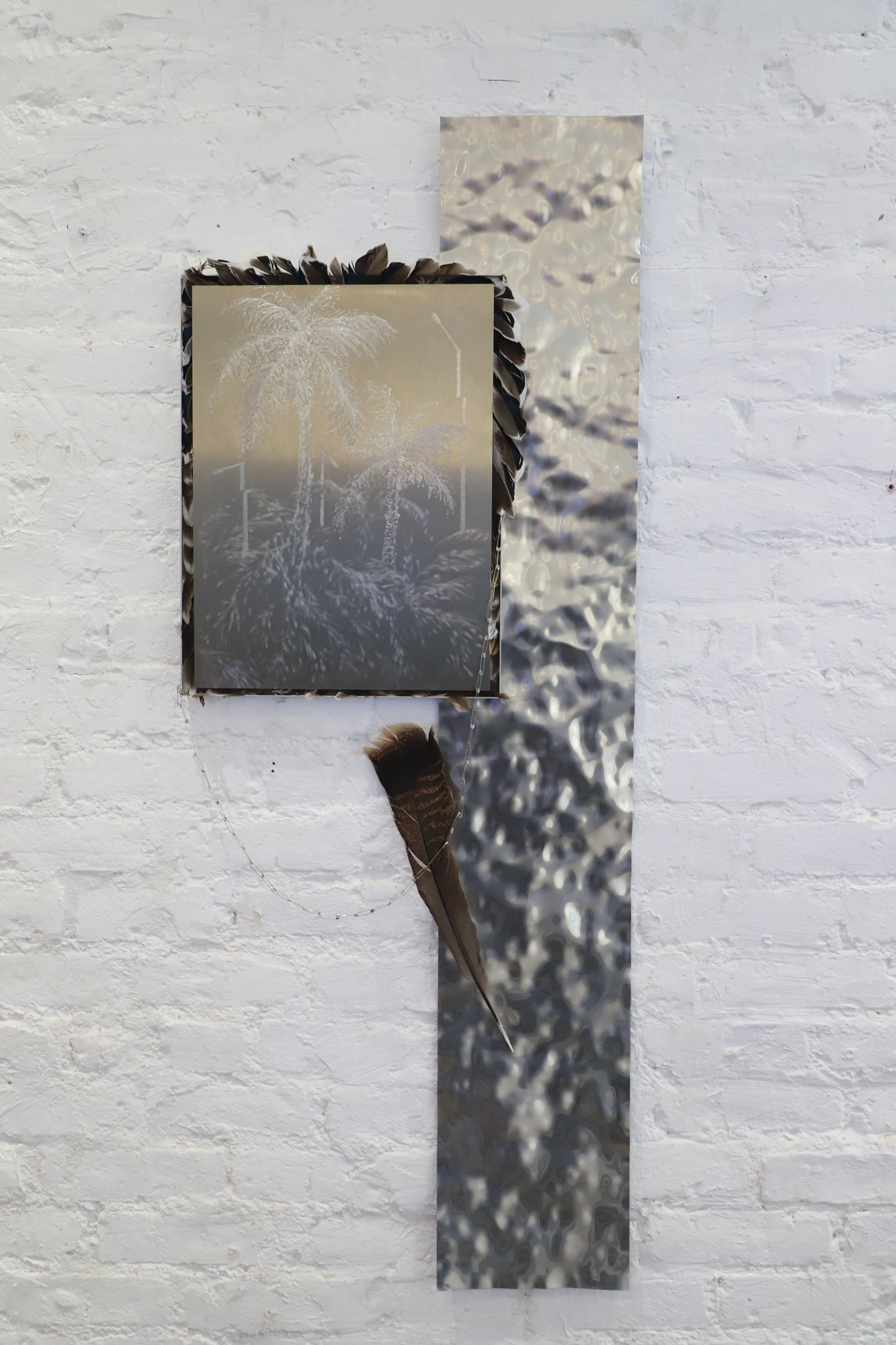
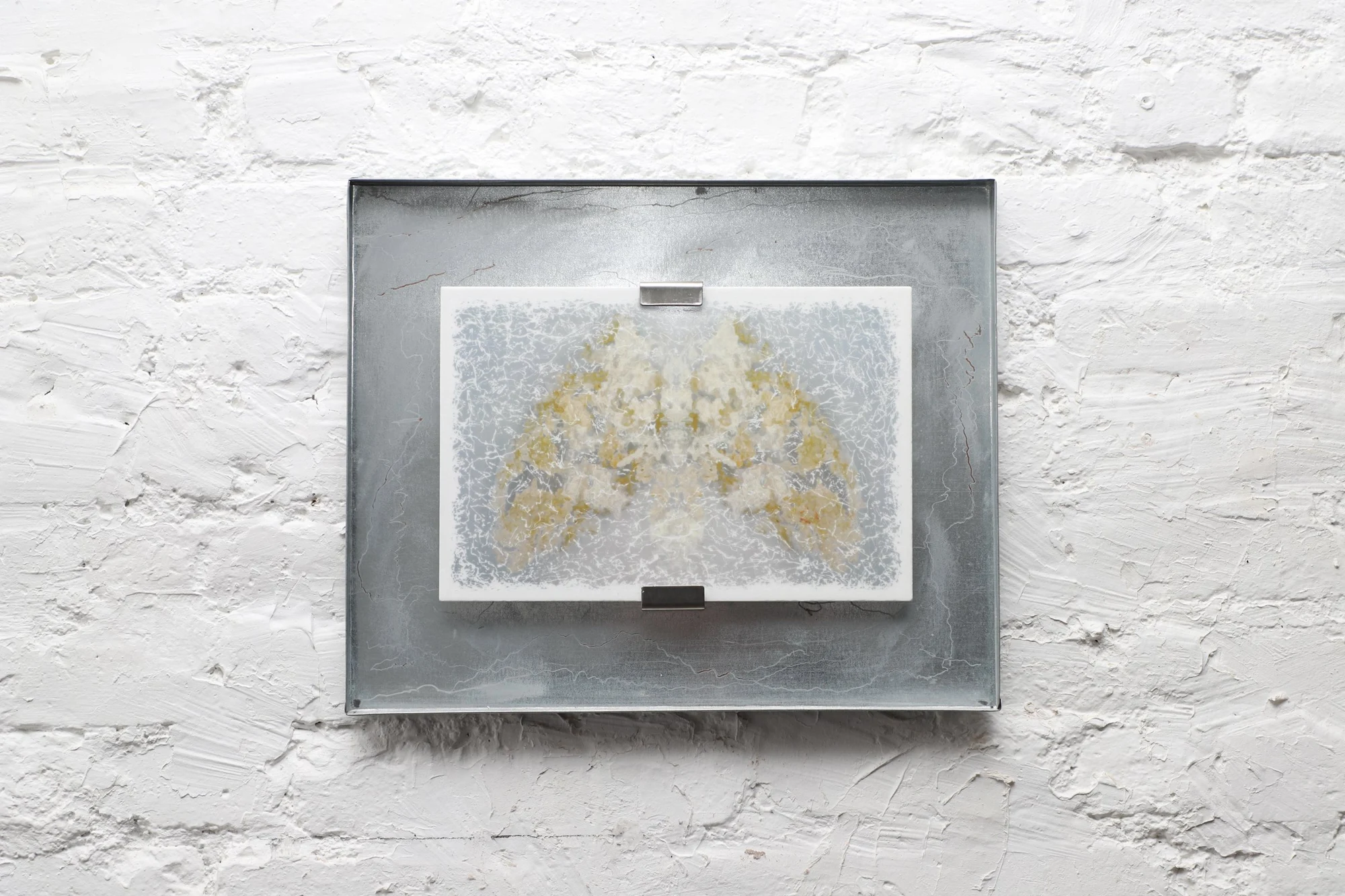
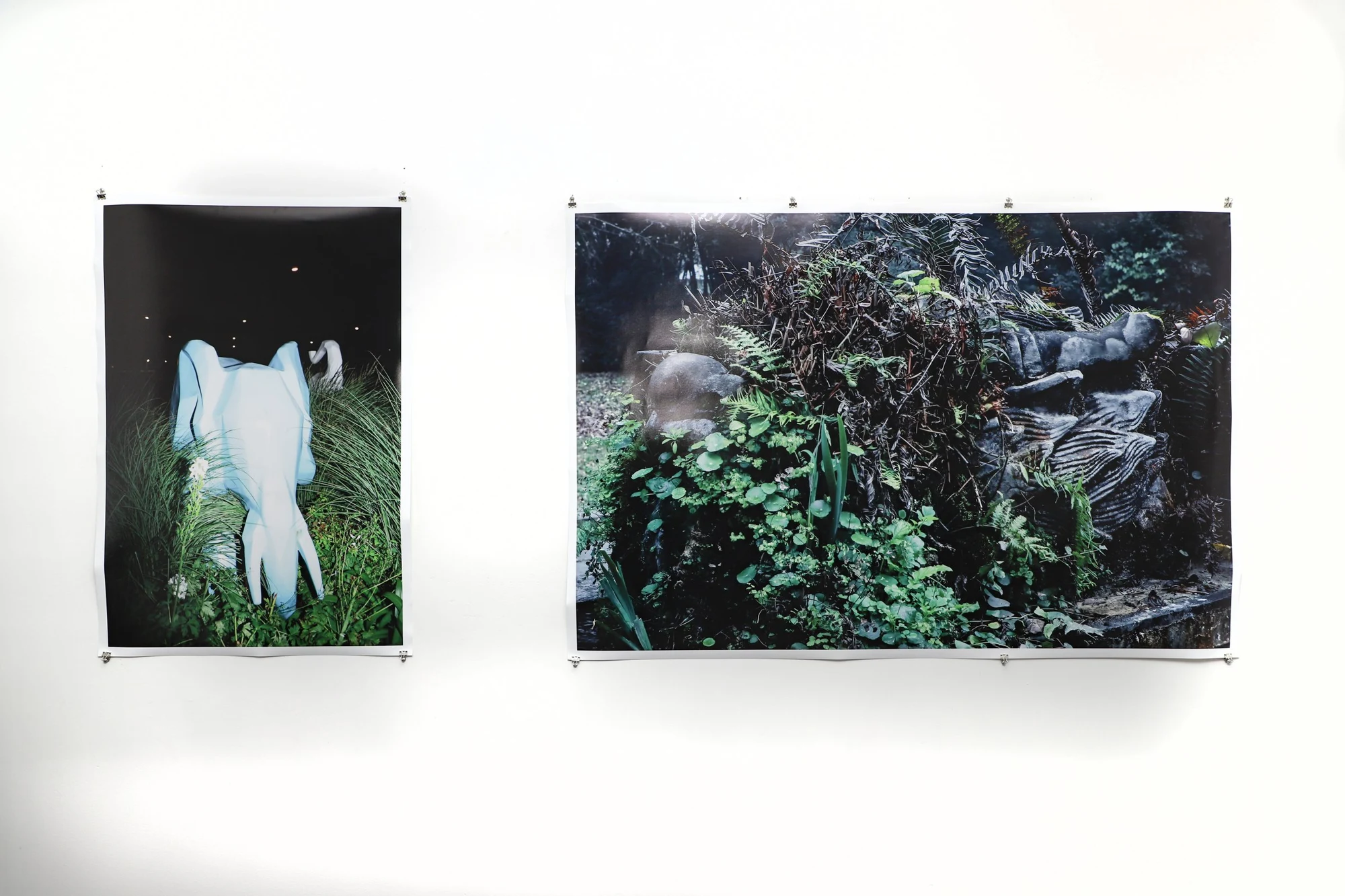
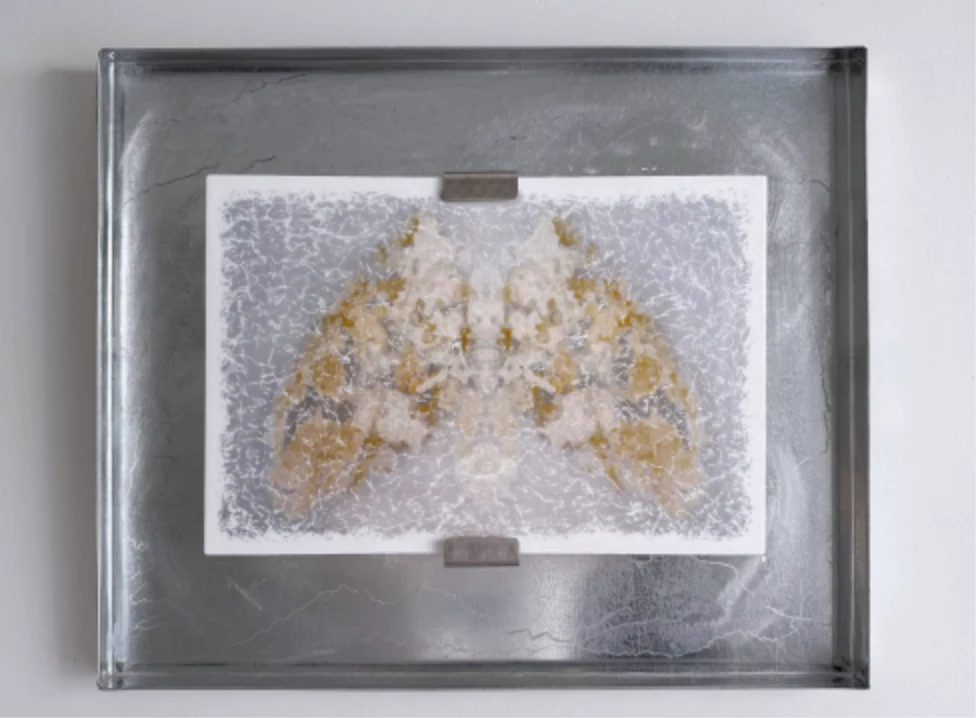
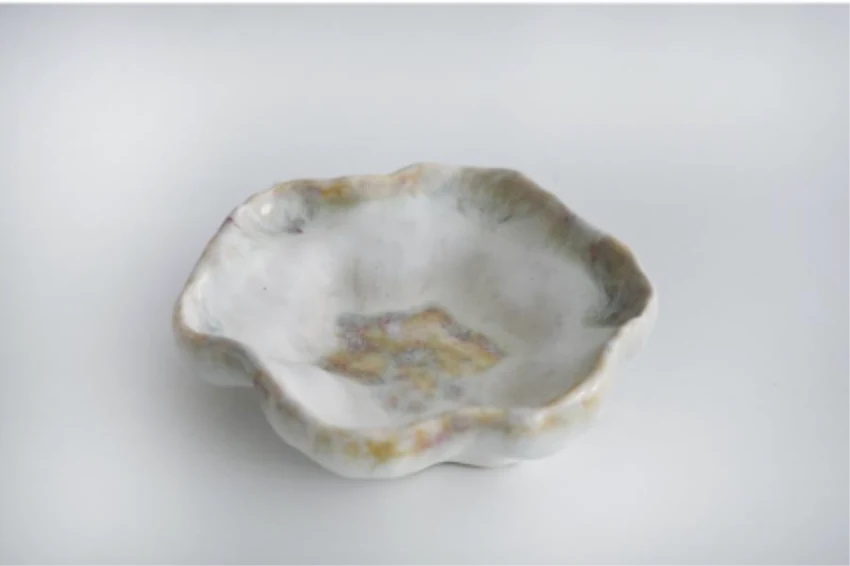
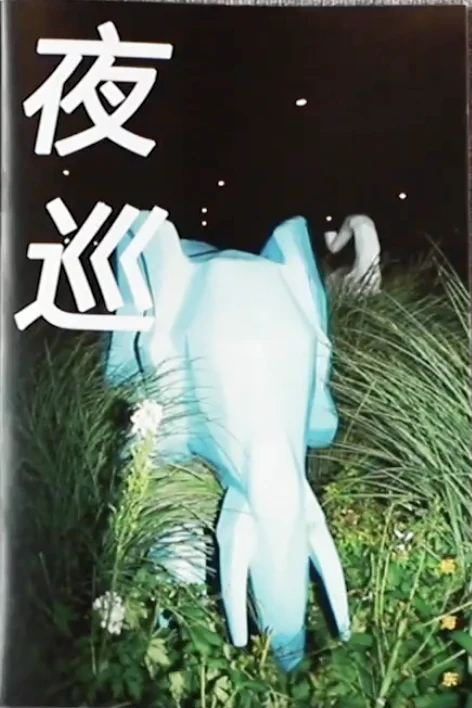
Ruoyu GongDreamy dream, 2025Oil on canvas30 x 40 inSharon Cheuk Wun LeeSame River Twice, 2020Gelatin silver prints, 4x5 large format b/w negative films, 3-channel b/w video, 3-channel colour video (sound), links to Google maps, 4 minutesDimensions variableSharon Cheuk Wun LeeMoth at Noon, 2024Engraved porcelain, artist’s frame16 x 13 x 1 inSharon Cheuk Wun LeeWe were here together, 2026Engraved and hammered aluminum,Oil paint, feather, artist’s frame16.5 x 13 in, 8 x 48 inXinzi LuoGyptian Room, 2025Oil, resin on wood panel,8 x 12 inXinzi LuoWalker, 2025Steel6 x 8 x 14 inWandi NiThe Roots Remember, 2026Oil on Canvas, Four-panel polyptych, each panel39.4 x 10.4 inOverall 39.4 x 47.6 in, including 2-inch gaps between panelsHafsa NoumanGhar (a House) ,2026Acrylic and Oil on canvas12 x 16 in, 38 x 56 in, 12 x 16 inHaidong YangAlternative Patrol, 2023Photobook, 48 pagesInkjet print on 128 gsm coated paper, Saddle stitching8.50 x 5.63 inHaidong YangThe Dragon, Covered, 2026Inkjet print on satin paper50.6 x 33.7 inHaidong YangThe Elephant in the Grass, 2023Inkjet print on satin paper22.5 x 33.7 inJingyi ZhangSoft Form, 2026Ceramic, white clay7 × 7 × 3 in
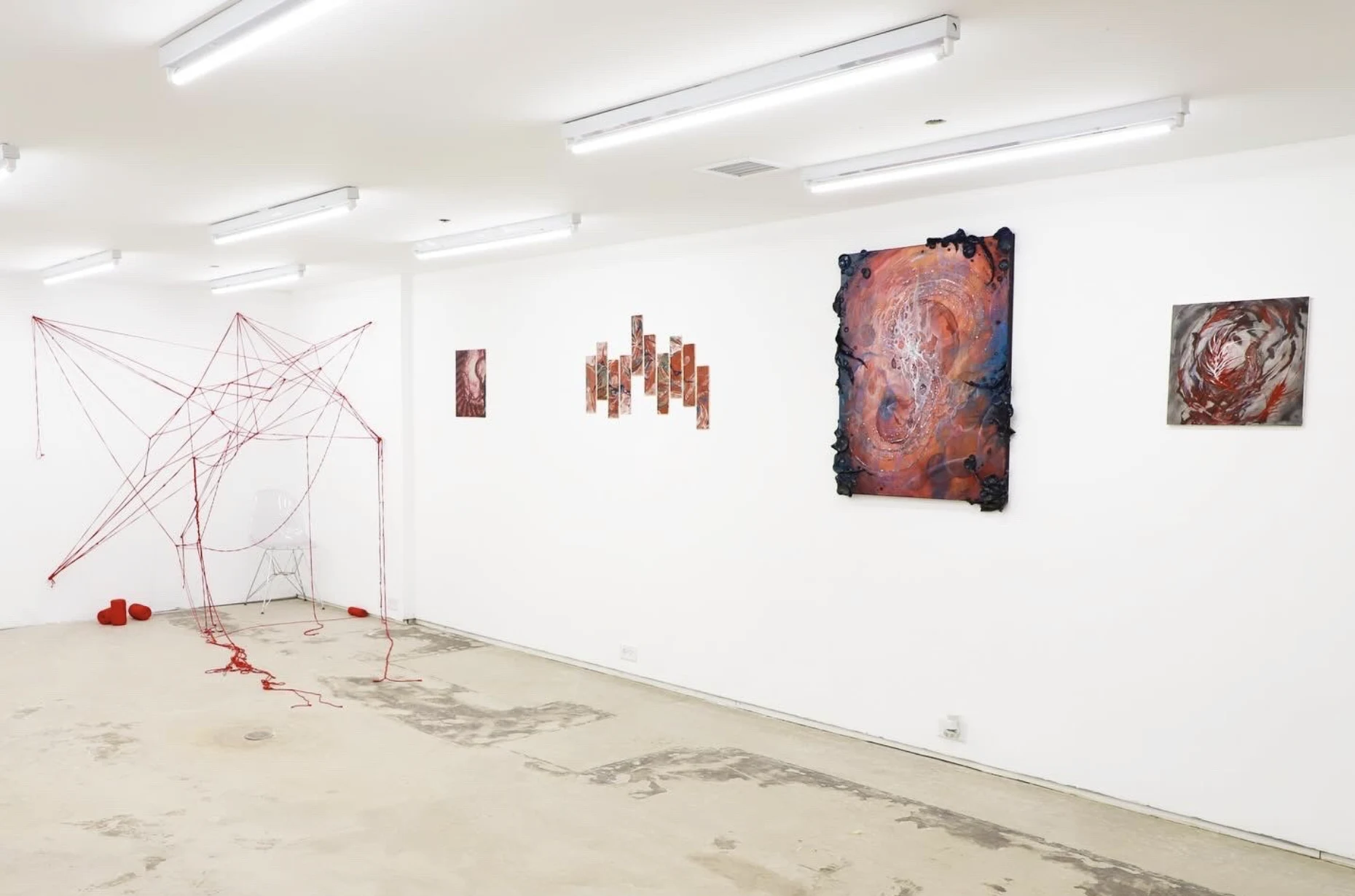
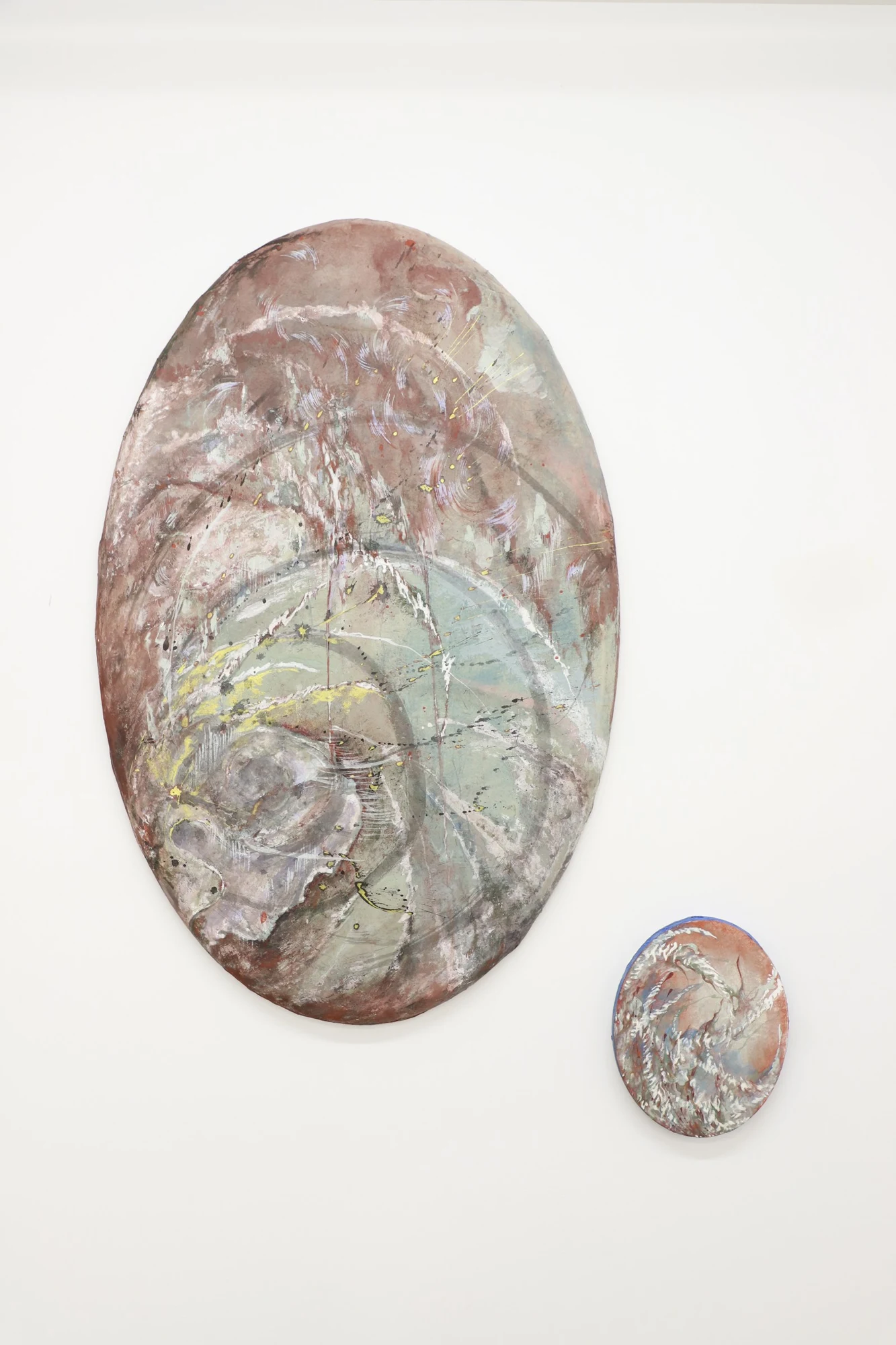
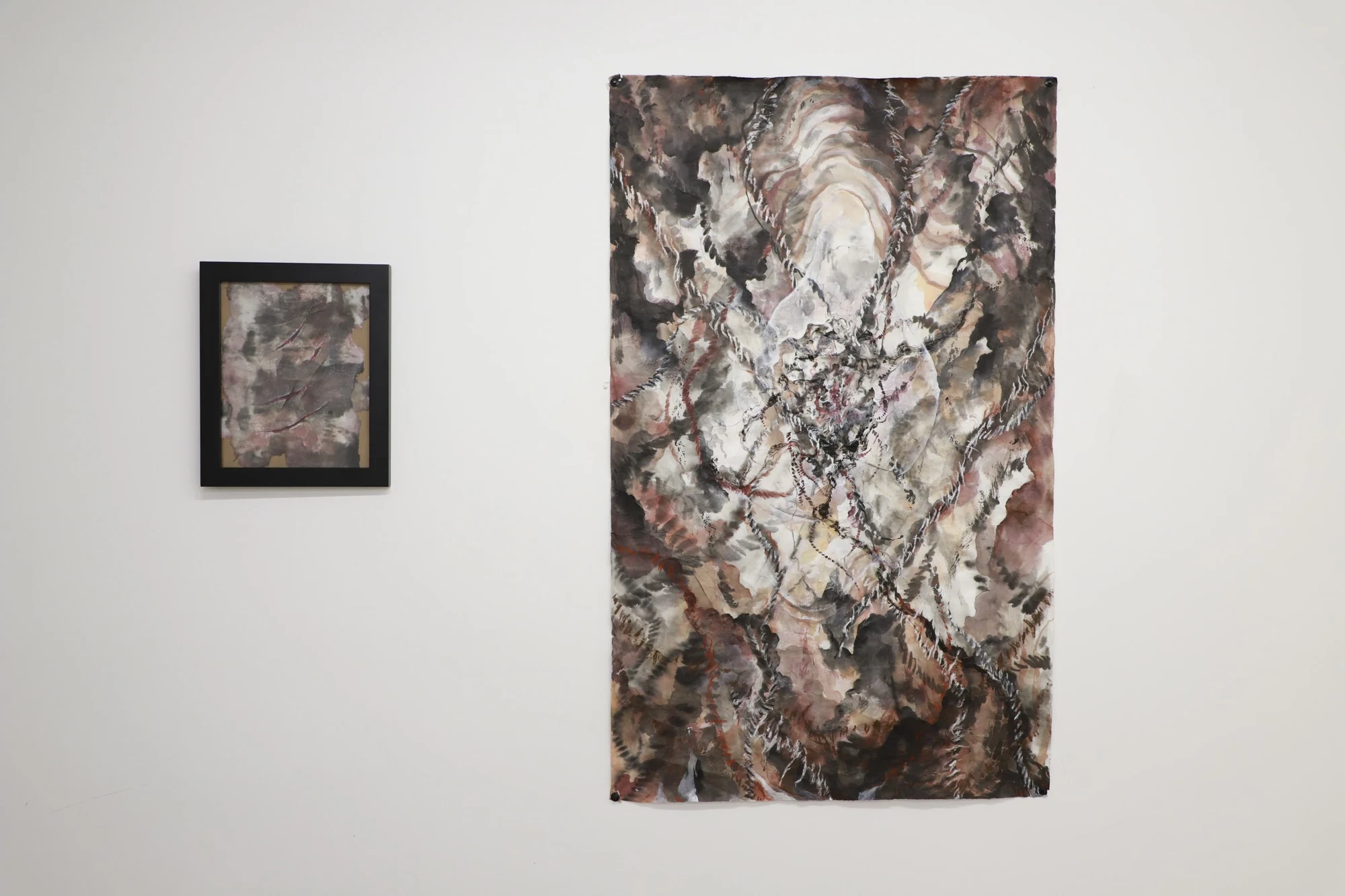
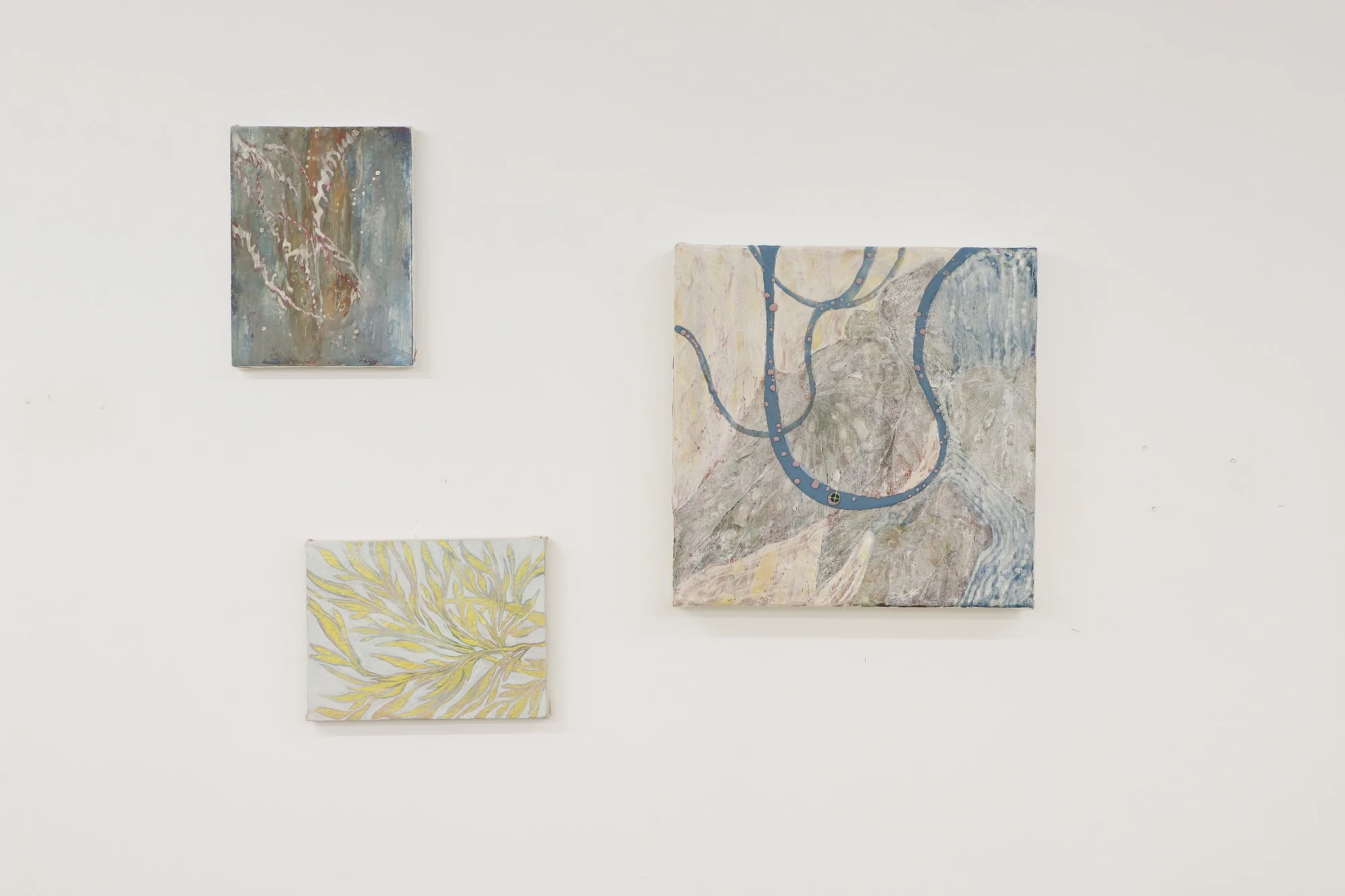
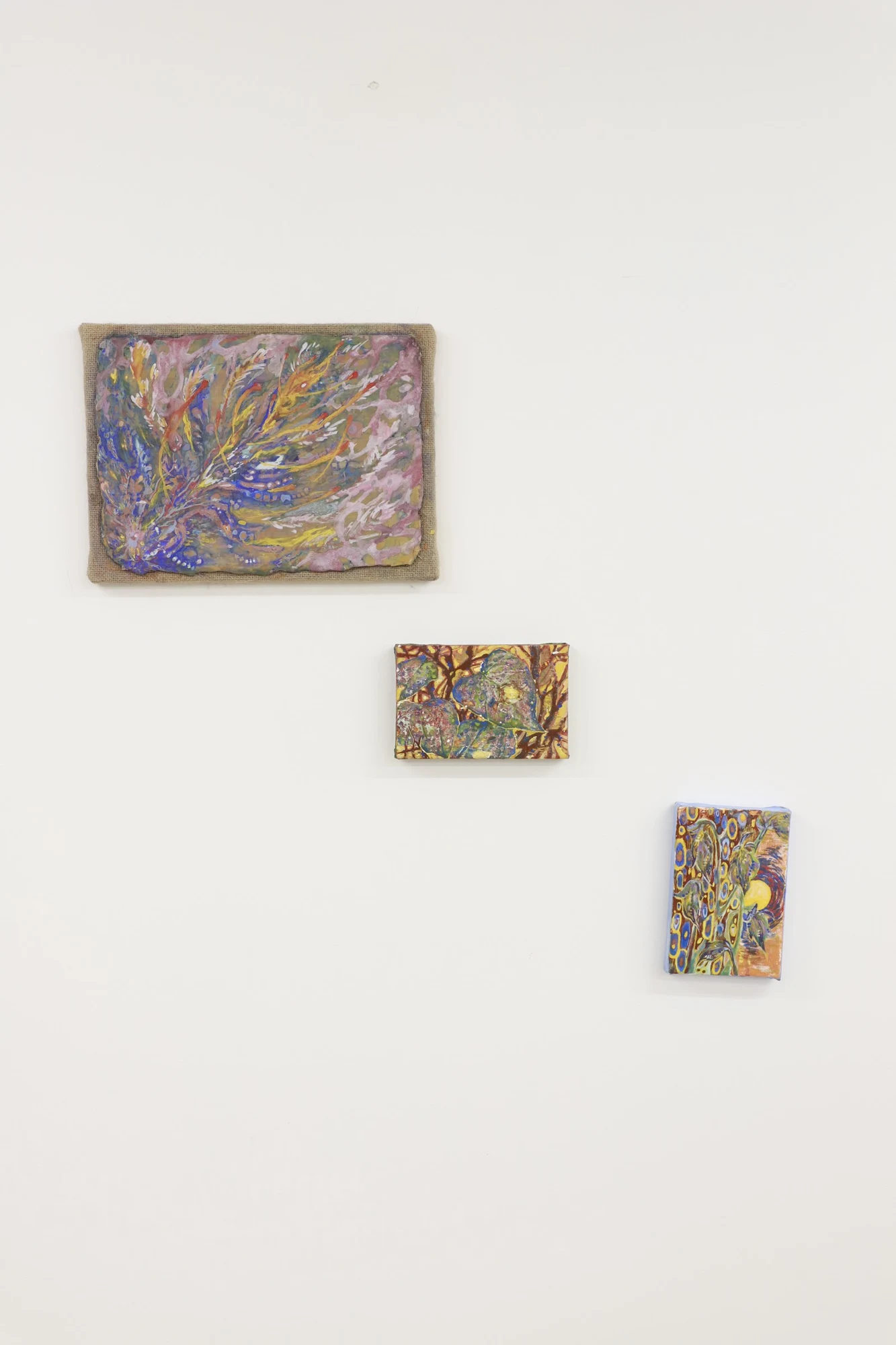
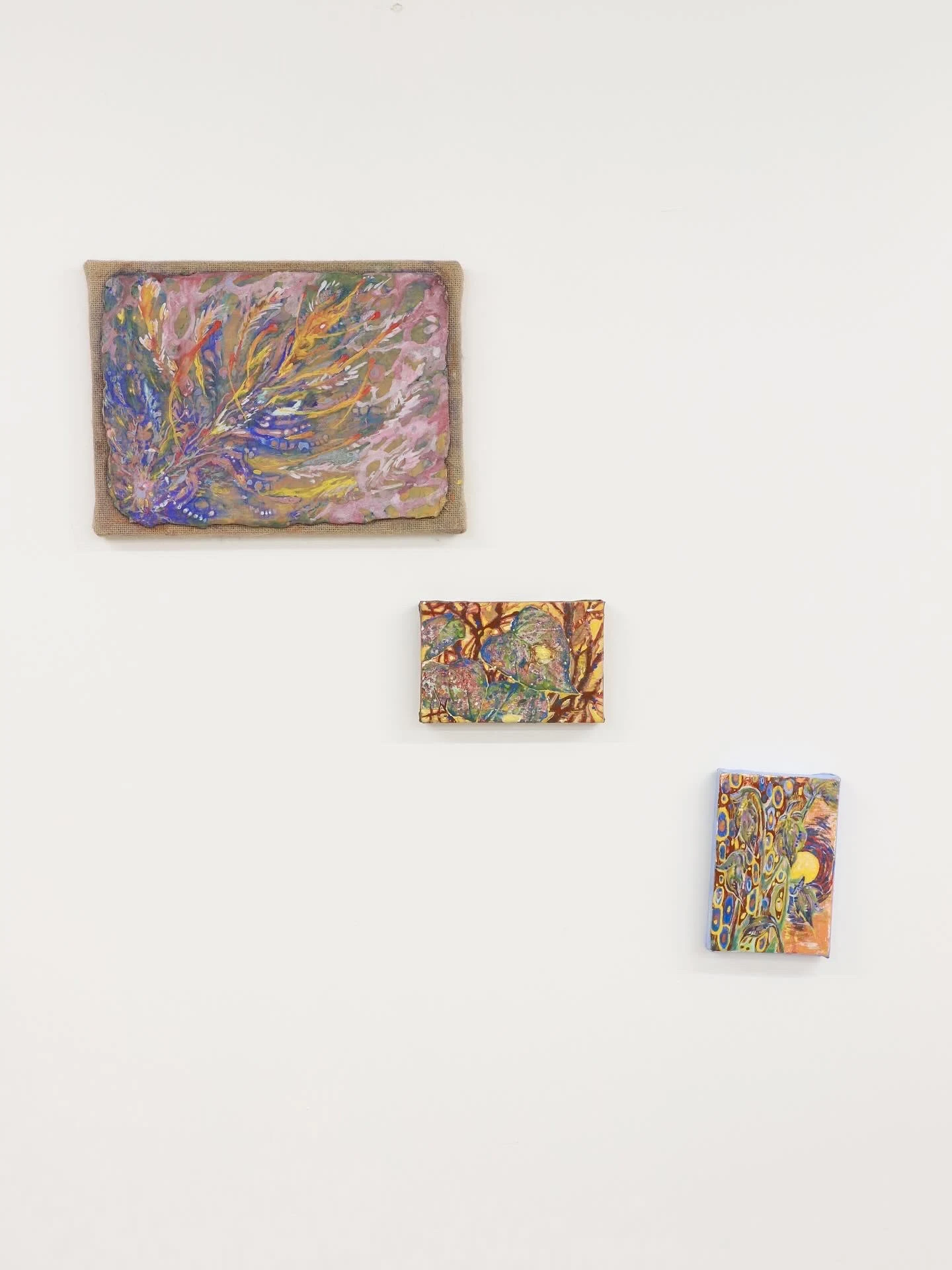
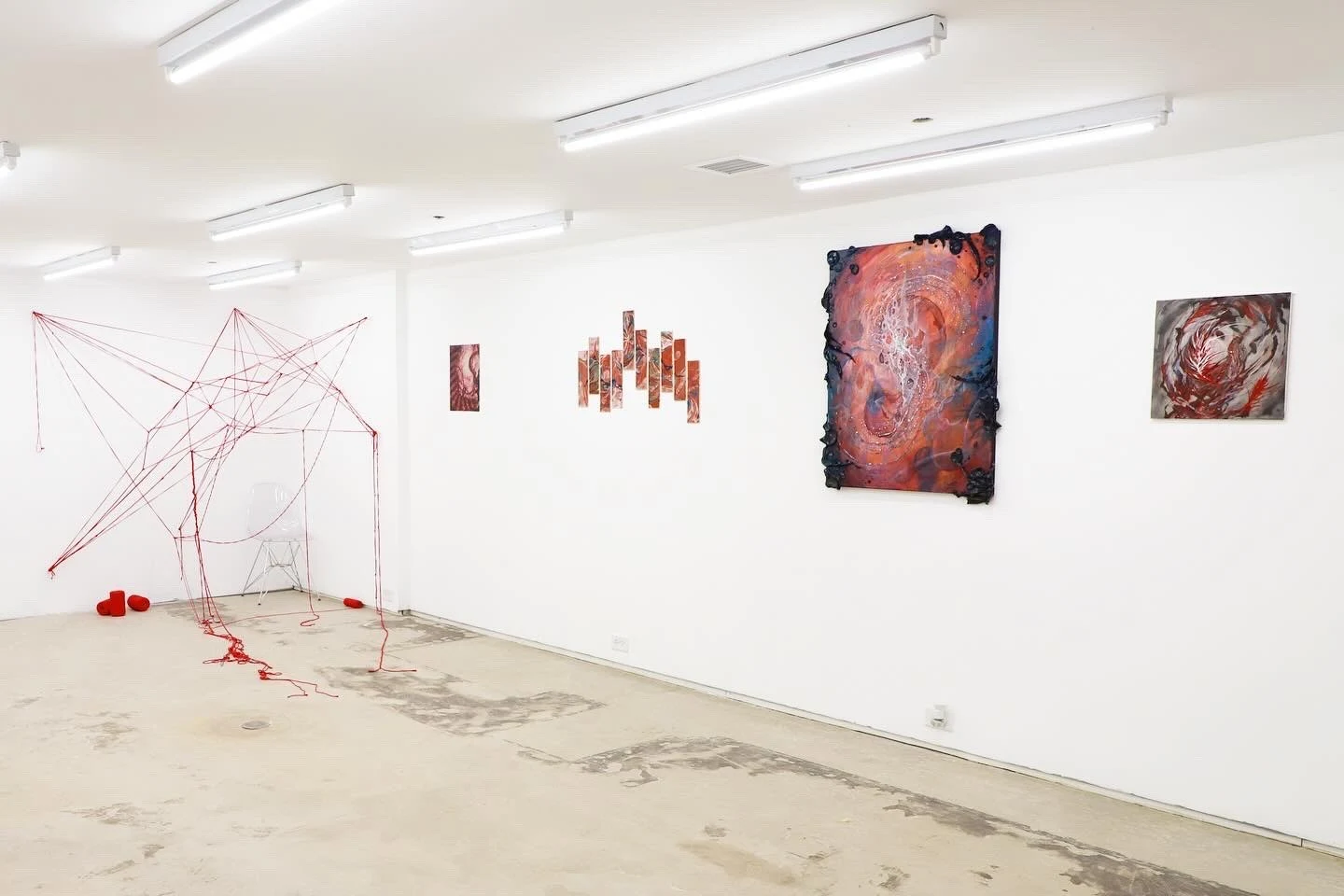
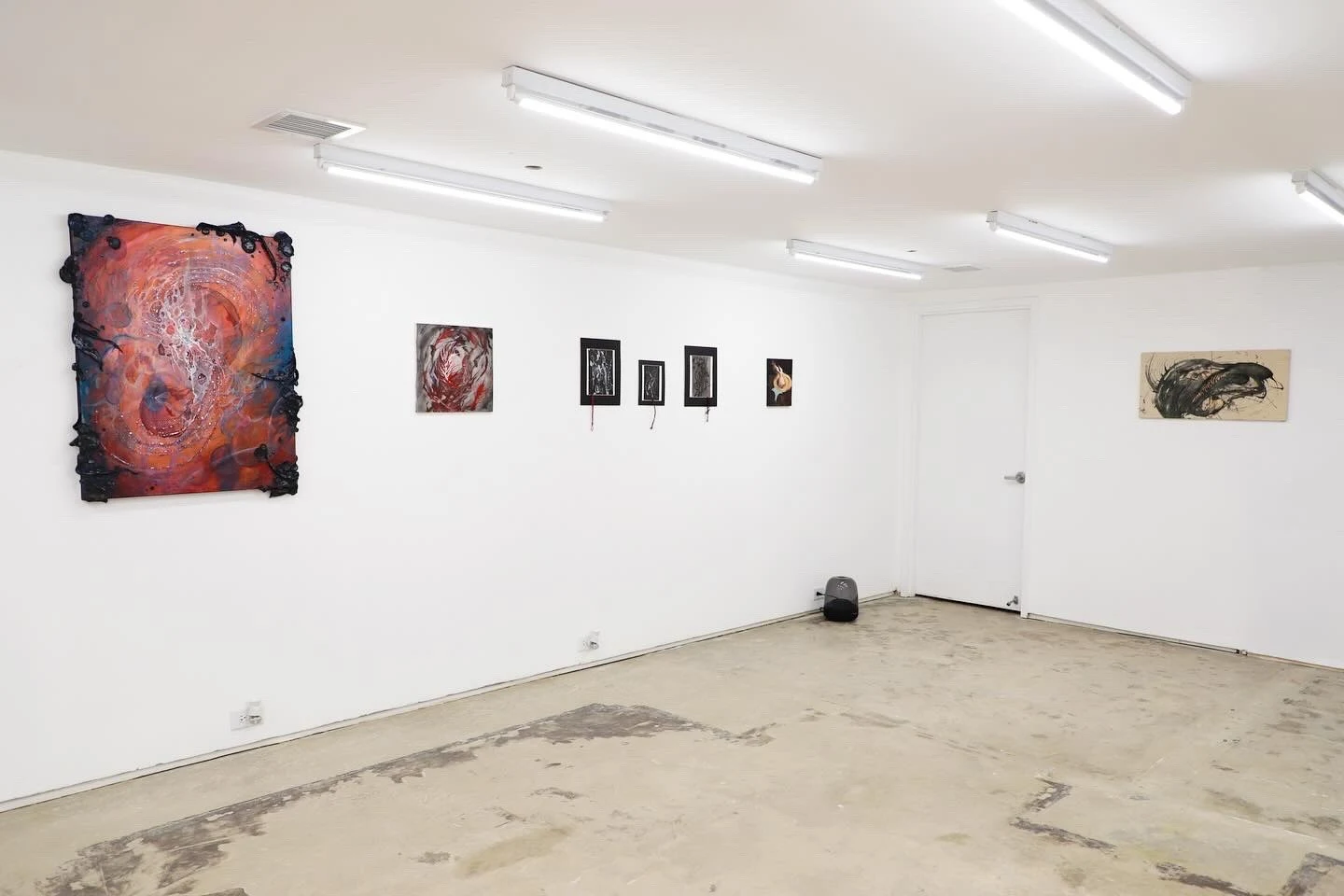
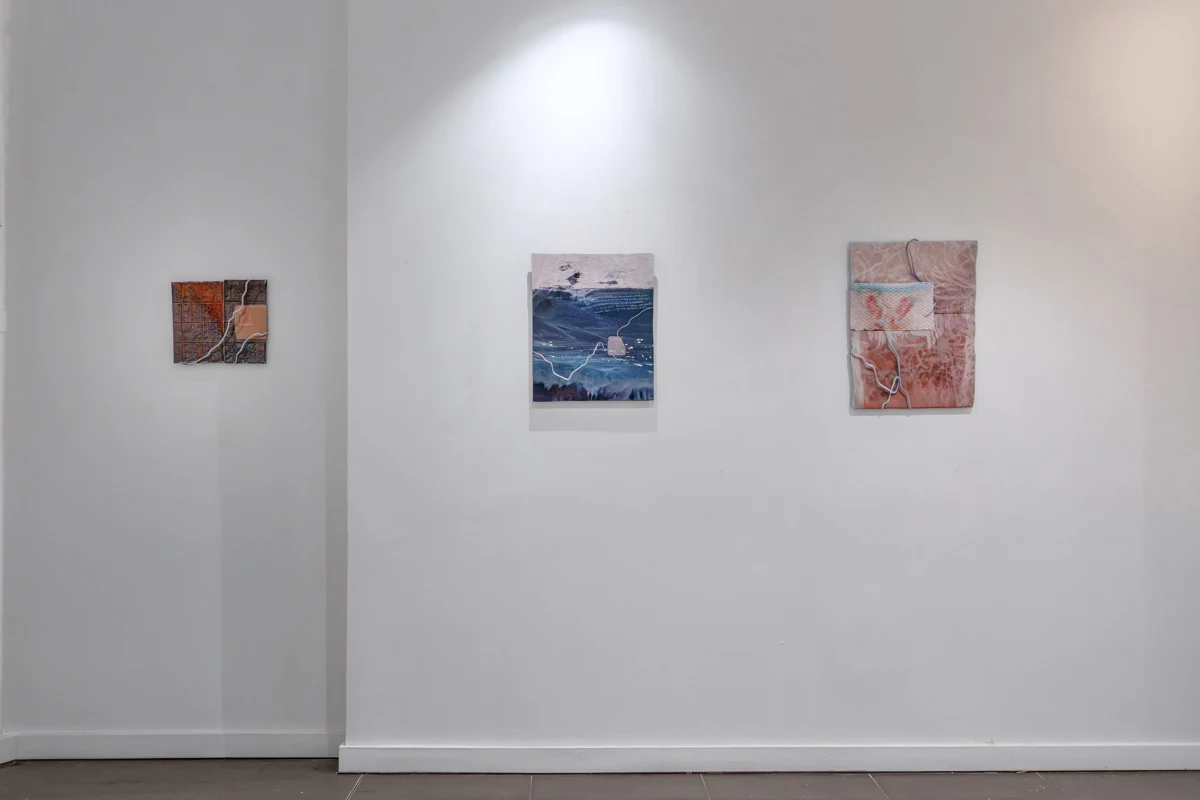
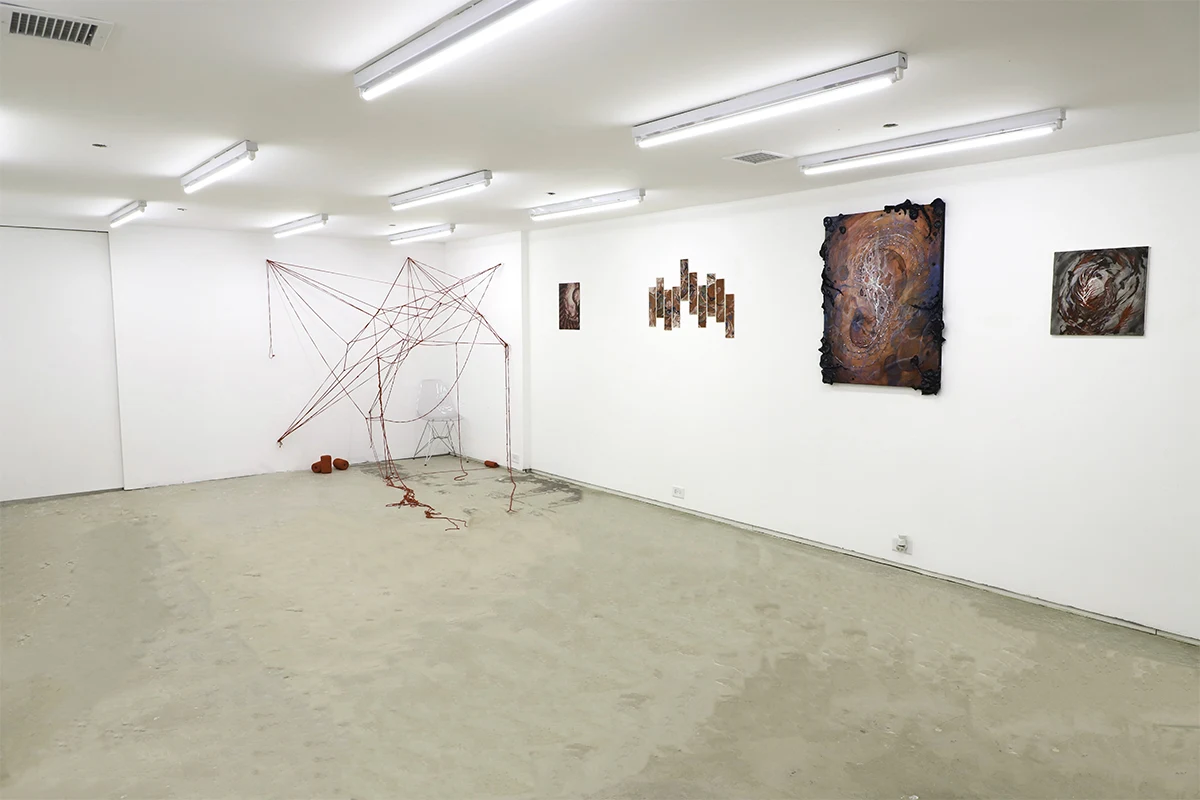
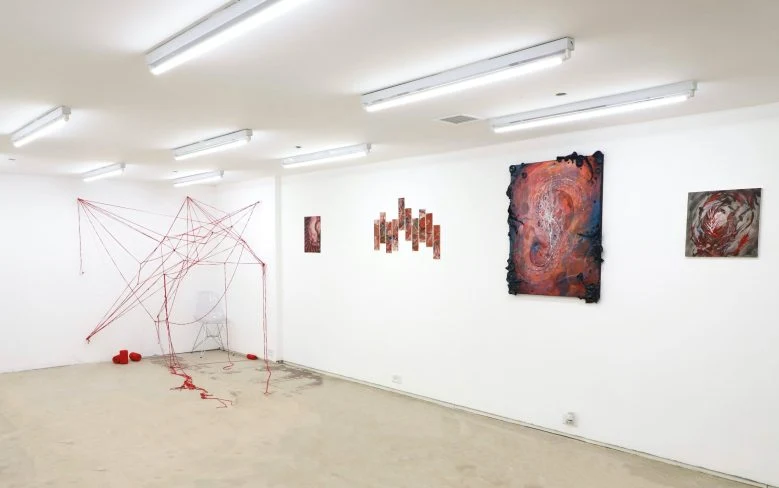
We are pleased to present Yanti Zhao’s solo exhibition Entangled curated by Jinyi Freya Xu and Eliza Xinping Tan, in Latitude Gallery (5 Lispenard Street, New York) from October 30 – November 4. Entangled unfolds as an inquiry into the temporal knots that bind consciousness, memory, and matter—where past, present, and future coexist, looping through one another, and cause and effect dissolve into a shared rhythm of becoming. Through layered material gestures, Yanti Zhao traces how identity emerges from this simultaneity of time and transformation. Through mixed media paintings and spatial interventions, Zhao explores the porous boundary between what is remembered and what continues to unfold. The exhibition reflects on how time emerges not from clarity or separation, but from entanglement, which coexist within the same continuum of becoming.
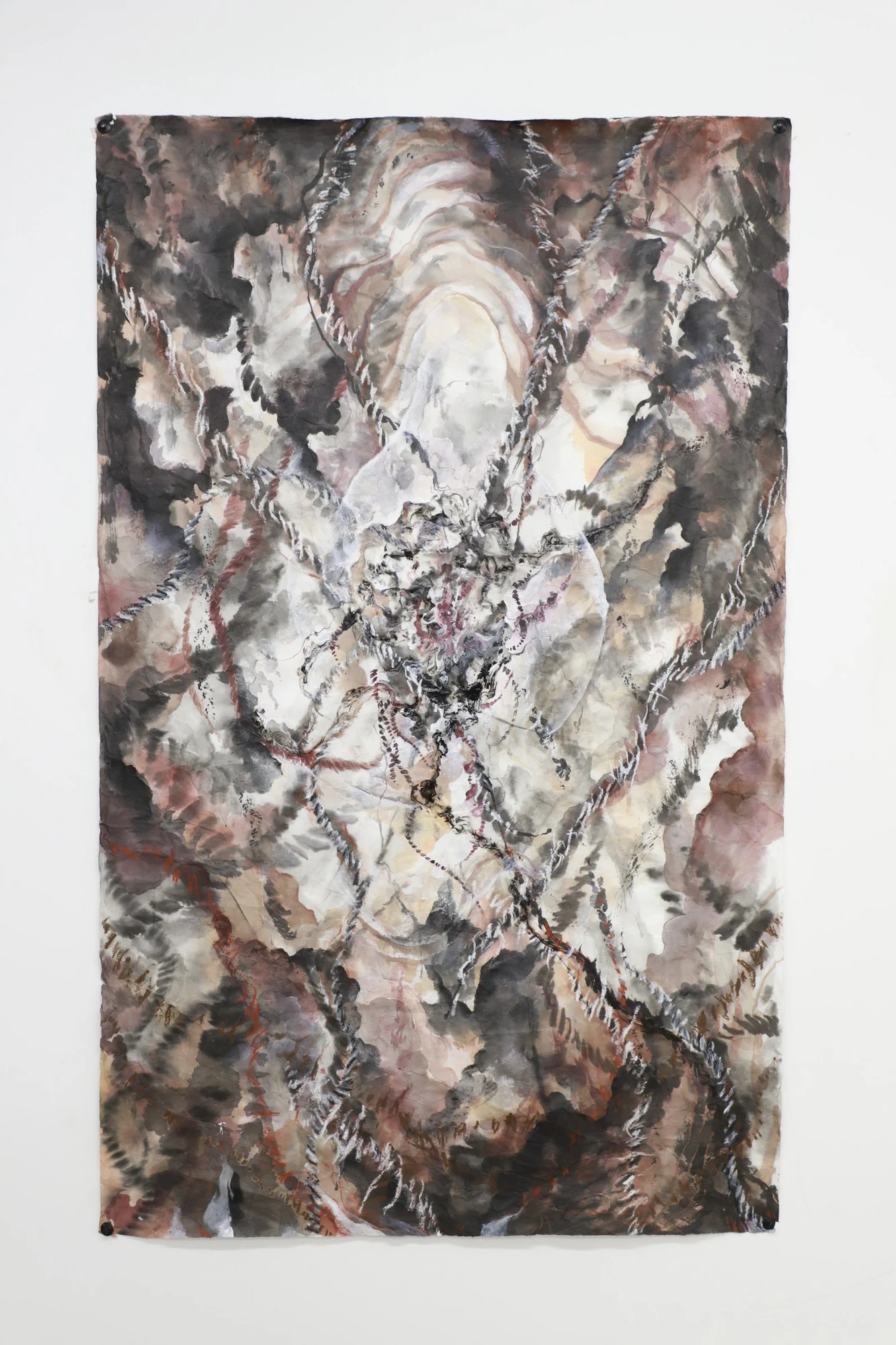
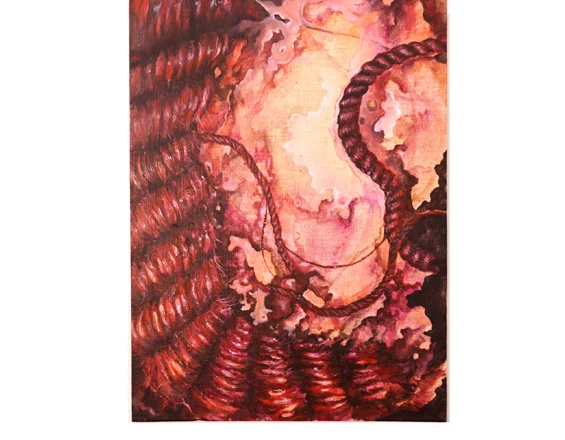
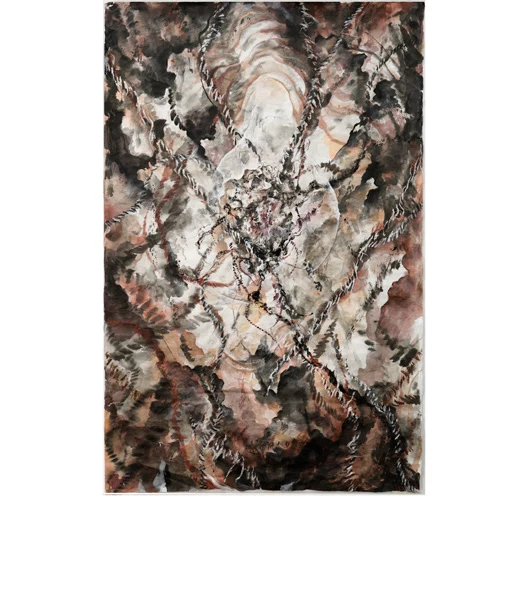
Across paintings layered with ink, mineral pigment, clay, and rice paper, Zhao’s gestures oscillate between tension and release. Each work is a record of transformation: surfaces stretch, fold, and erode, tracing the persistence of life within rupture. The recurring motif of the rope—twisted, frayed, or taut—evokes the interdependence between confinement and connection.
Through material and temporal layering, Zhao constructs an ecology of emotion and matter. Time, in their practice, is not linear but cyclical—folding into itself through remembrance and renewal. Entangled becomes a meditation on coexistence: how relationships between self and world evolve through care, erosion, and persistence.
Artist Statement
Yanti Zhao’s practice centers around an exploration of diverse materials—Mixed media painting, rope, installation, performance art and organic matter—drawn to their inherent possibilities and contradictions. Through processes of layering, overlapping, and transformation, they generate dynamic interactions between tension and release, harmony and fracture.
Yanti approaches both the land and the human body as living archives—sites where memory, experience, and matter interlace. Their installations construct spatial environments where traces of the past fold into the present, while performances use the body as an instrument of duration and vulnerability, revealing how pain, care, and renewal are intertwined. In painting, layering and erasure become acts of rewriting, gestures that expose how memory is not fixed but continually rewritten within itself.
Time folds, knots, and spirals. It is nonlinear and affective, lived through cycles of loss and persistence, forgetting and returning. Within this entanglement, identity is not a stable core but a constellation of overlapping temporalities—crossing the boundaries between lived and imagined, personal and ecological. Through an ethics of attention and transformation, their work proposes that decay is not disappearance but another form of becoming.
In these material and temporal entanglements, Yanti invites a meditation on coexistence: how relationships between body and land, between matter and memory, might transcend intimacy and evolve into dynamic interconnections shaped by tenderness, erosion, and time itself.
Installation views
1 / 10
Installation view, Entangled, Latitude Gallery. Courtesy of the artist.Installation view, Entangled, Latitude Gallery. Courtesy of the artist.Installation view, Entangled, Latitude Gallery. Courtesy of the artist.Installation view, Entangled, Latitude Gallery. Courtesy of the artist.Installation view, Entangled, Latitude Gallery. Courtesy of the artist.Installation view, Entangled, Latitude Gallery. Courtesy of the artist.Installation view, Entangled, Latitude Gallery. Courtesy of the artist.Installation view, Entangled, Latitude Gallery. Courtesy of the artist.Installation view, Entangled, Latitude Gallery. Courtesy of the artist.Installation view, Entangled, Latitude Gallery. Courtesy of the artist.
Works in the exhibition
Yanti ZhaoThe Gate of Becoming, 2025Acrylic, Ink, Acrylic medium, mineral pigments (stone paint), white glue, oil pastel, watercolor, acrylic marker on canvas and rice paper40 x 30 inYanti ZhaoThe breeze, 2025mineral pigments (stone paint), watercolor, ink on rice paper36 x 24 inYanti ZhaoAche, 2024Acrylic and water color on raw canvas16 x 12 inYanti ZhaoThe decision, 2023Oil on canvas12 x 9 inYanti ZhaoThe entangled, 2024Ink, acrylic, oil pastel, acrylic mediums, water color on rice paper37 x 25 inYanti ZhaoUntitled #12, 2025Acrylic, mineral pigments, ink, and oil pastel on rice paper board12 x 3 in eachYanti ZhaoRiver, 2025Mineral pigments on rice paper12 x 12 inYanti ZhaoUntitled #33, 2024Mineral pigments on rice paper6 x 4 inYanti ZhaoUntitled #8, 2024Mineral pigments on rice paper8 x 6 inYanti ZhaoThe moon, 2025Ink and acrylic on canvas6 x 4 in
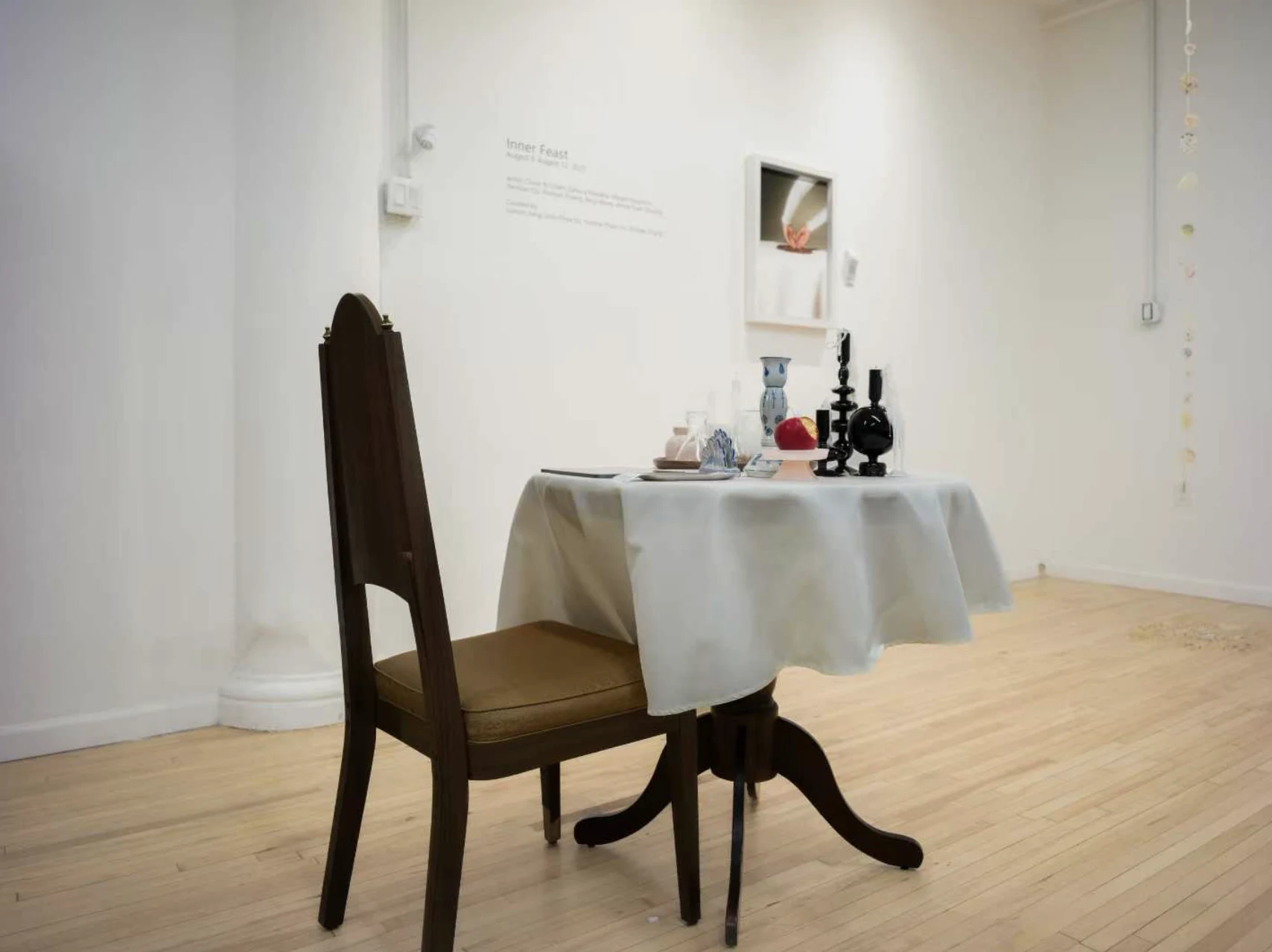
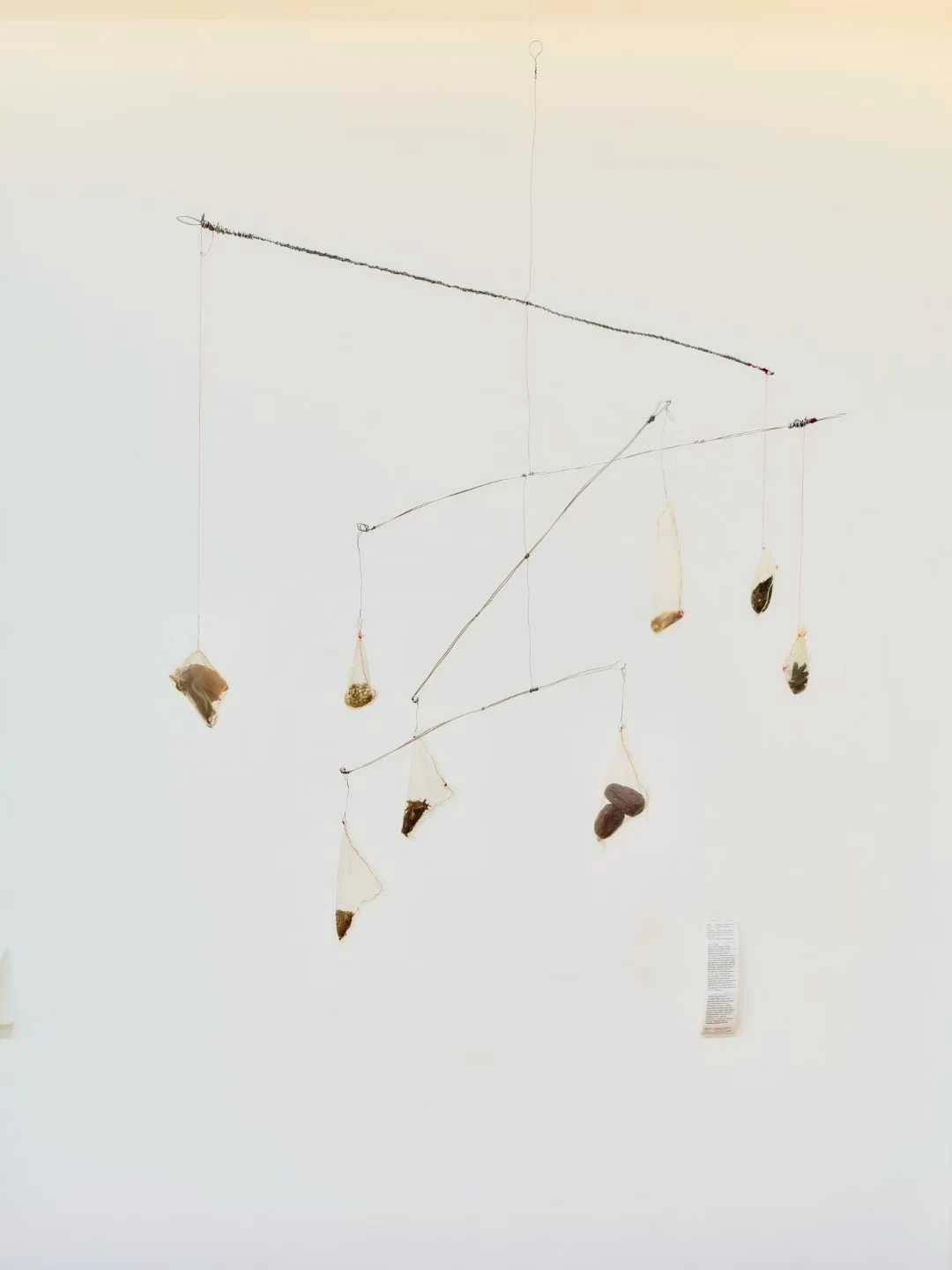
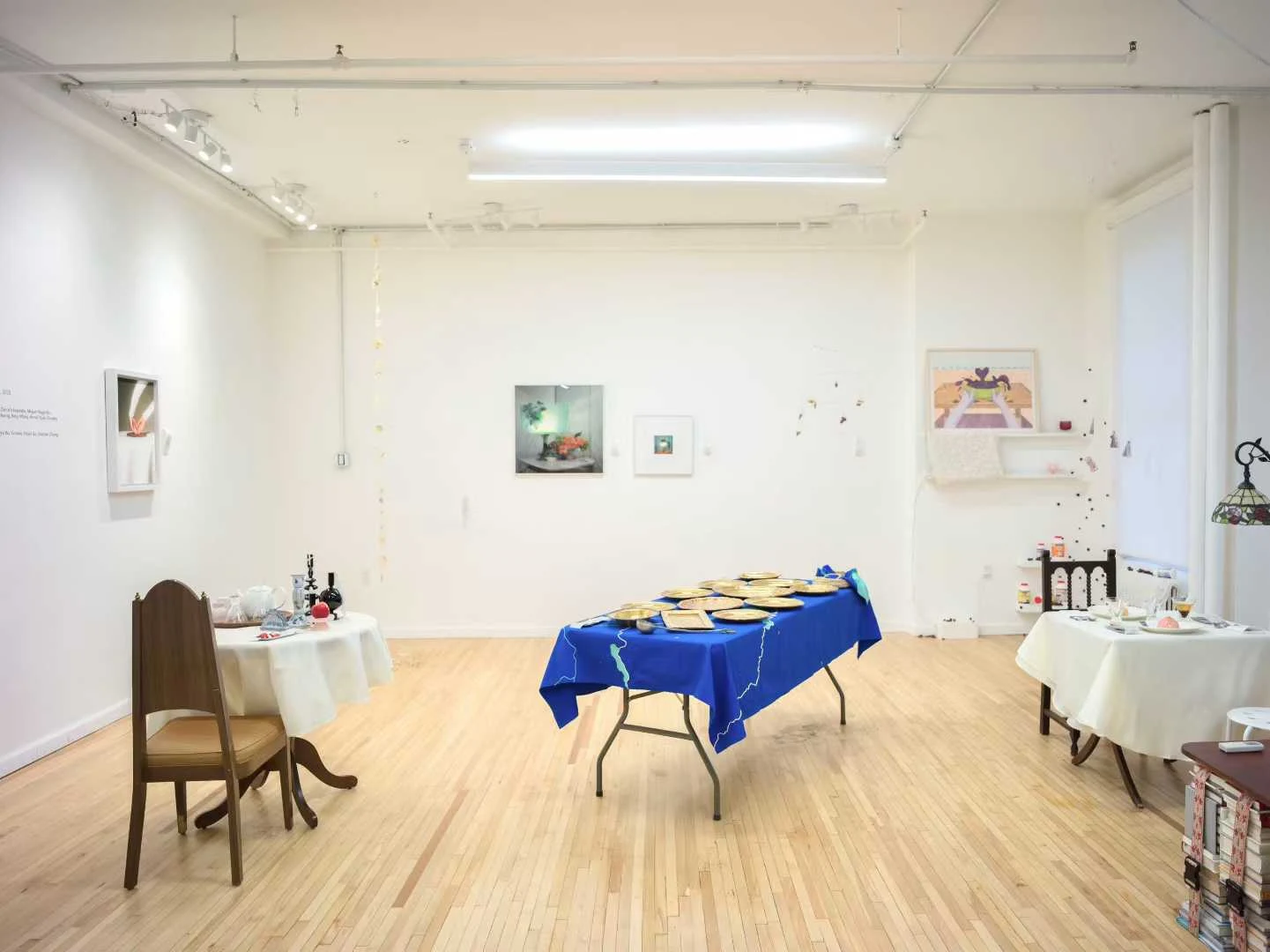
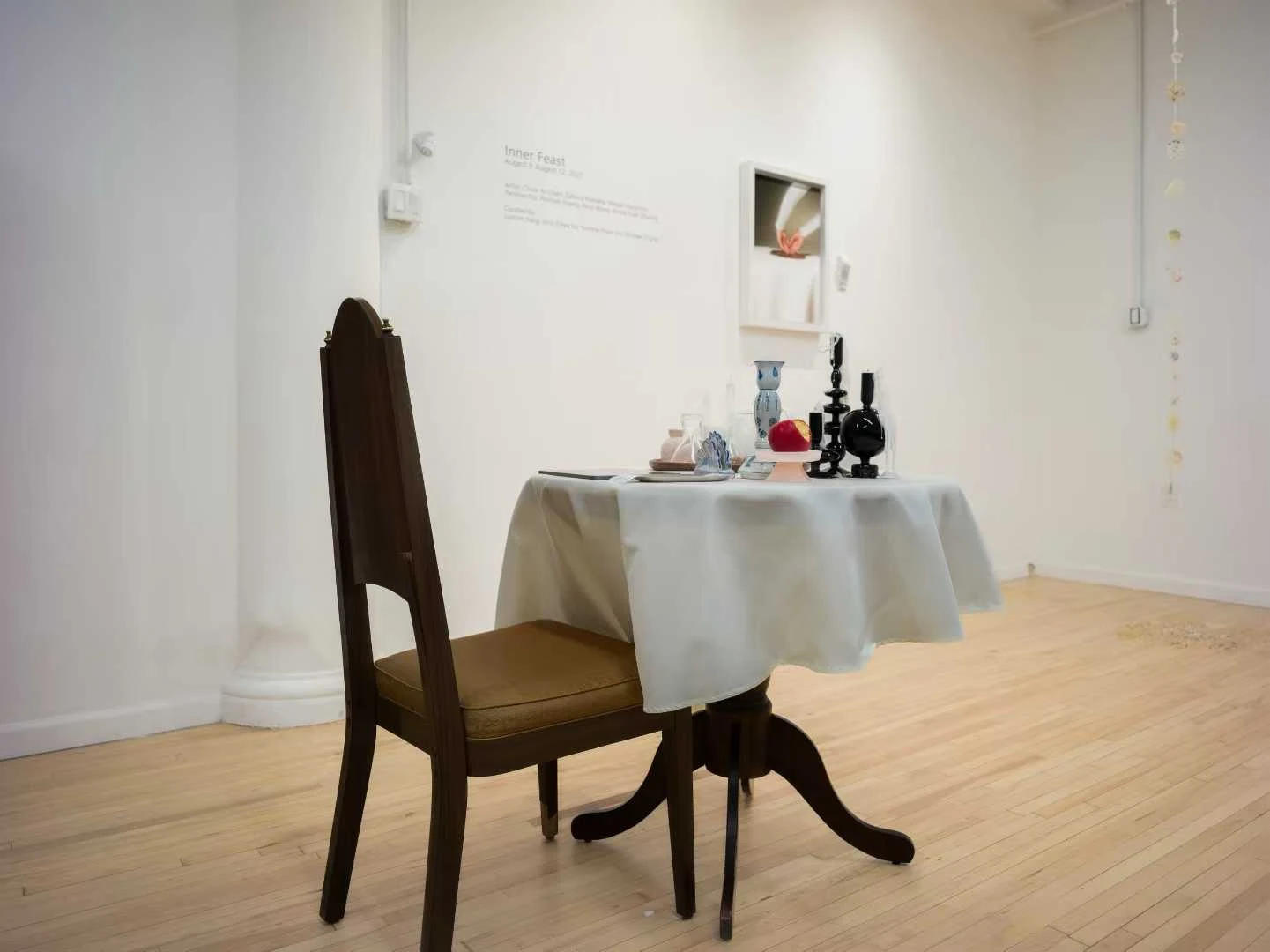
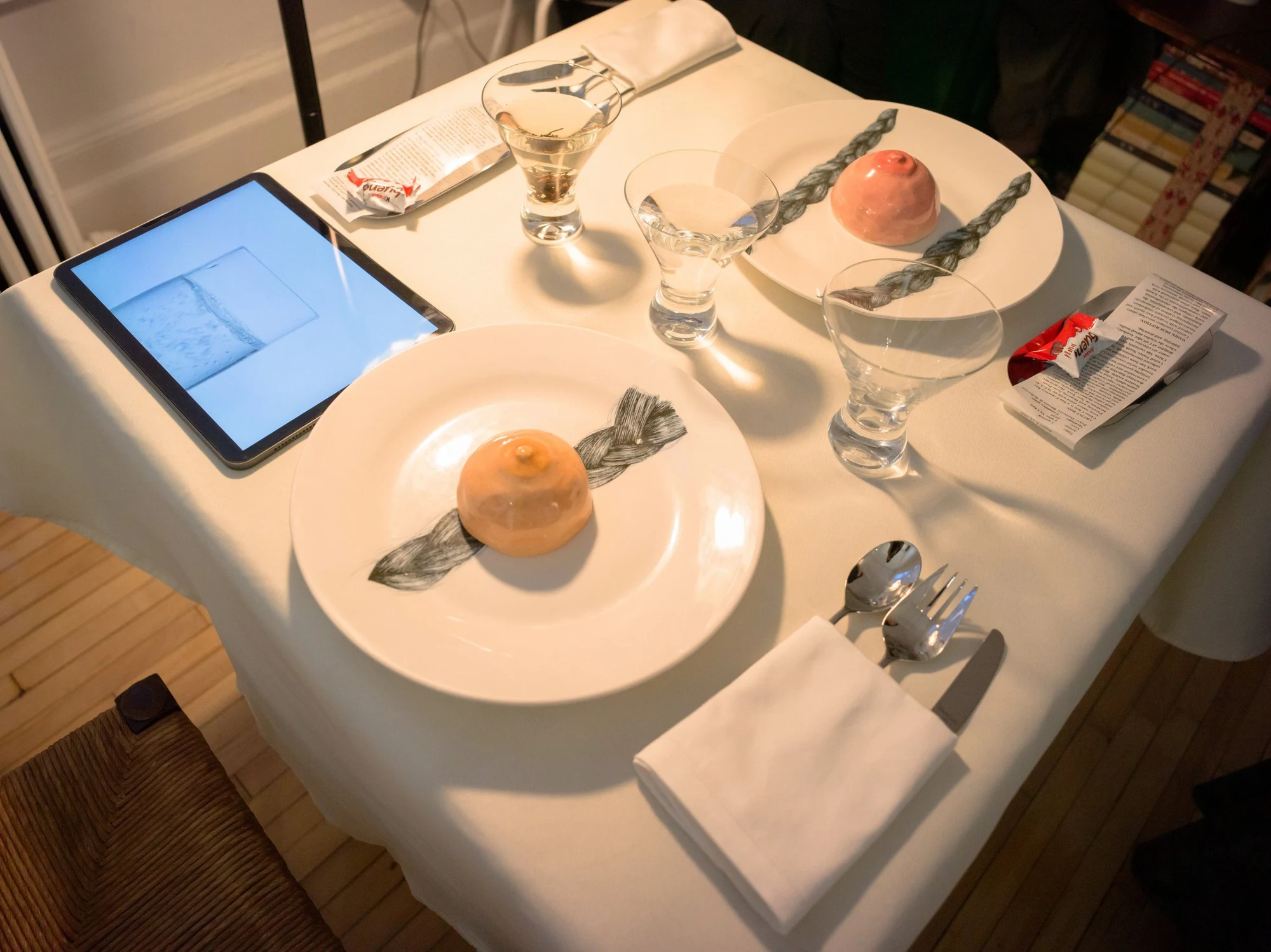
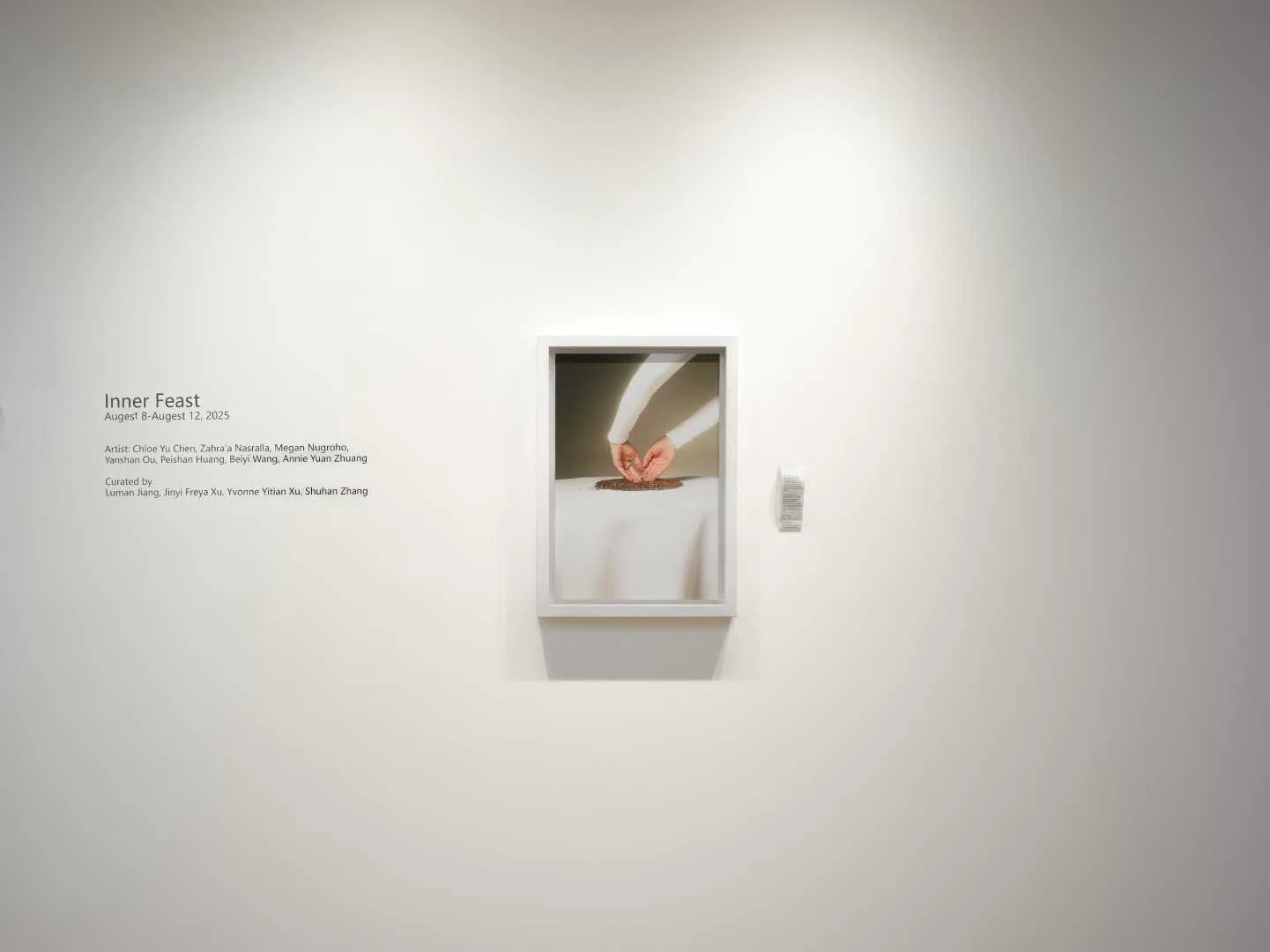
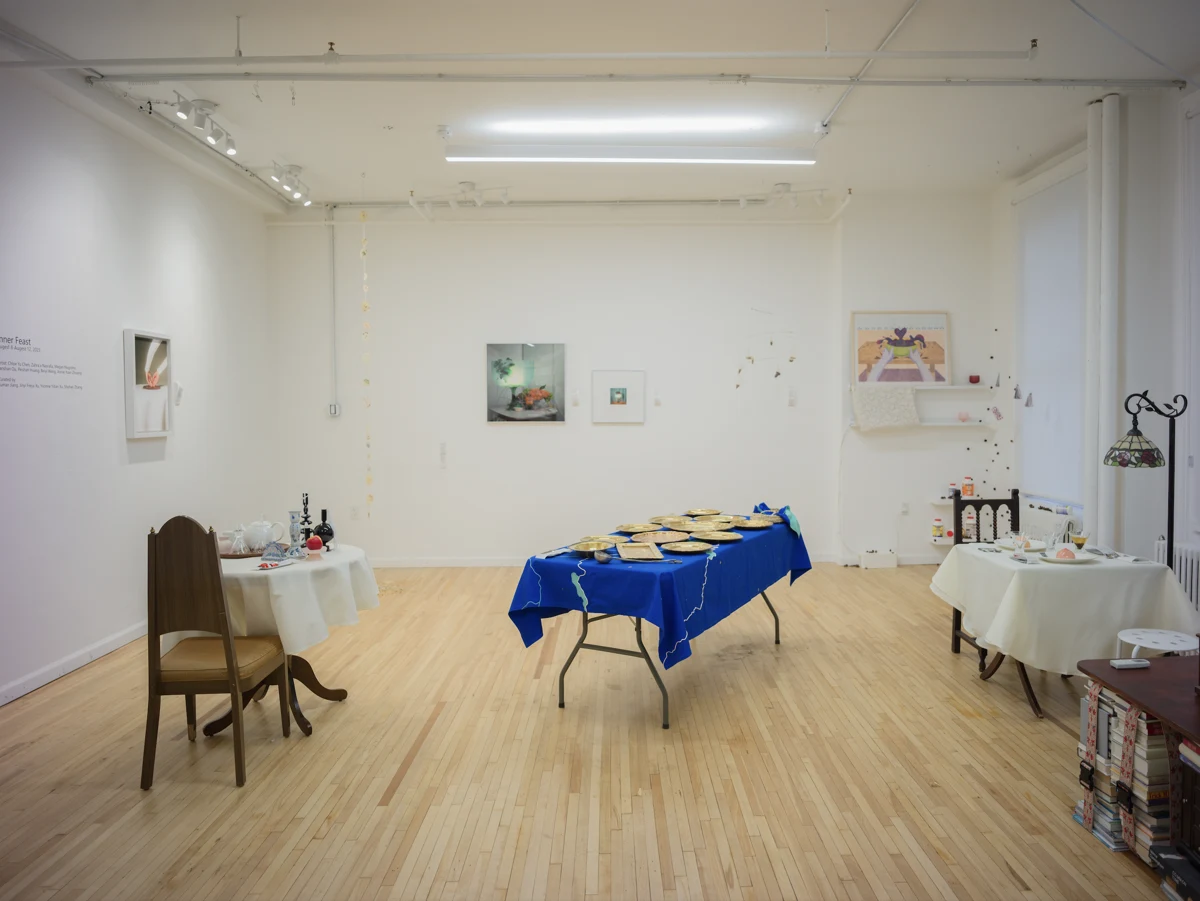
New York, August 8, 2025 – We are pleased to present Inner Feast, a group exhibition conceived as a psychological banquet for the soul. The exhibition will be on view for one week at Accent Sister (89 5th Ave #702, New York, NY), transforming art into a form of psychic nourishment and inviting audiences to traverse the subconscious and engage with the layered entanglements of personal affect and sociocultural narratives.
Inner Feast's conceptual foundation is Freud’s id–ego–superego model, Jung’s process of individuation, and the Daoist philosophy of Wu Wei. The exhibition charts a path toward inner healing through symbols, dreamscapes, and intuitive visual languages. The artists’ works function as psychological texts to be “digested,” weaving nonlinear perceptions and emotions into a deep dialogue between viewer and artwork, turning the exhibition into a process of feeling.
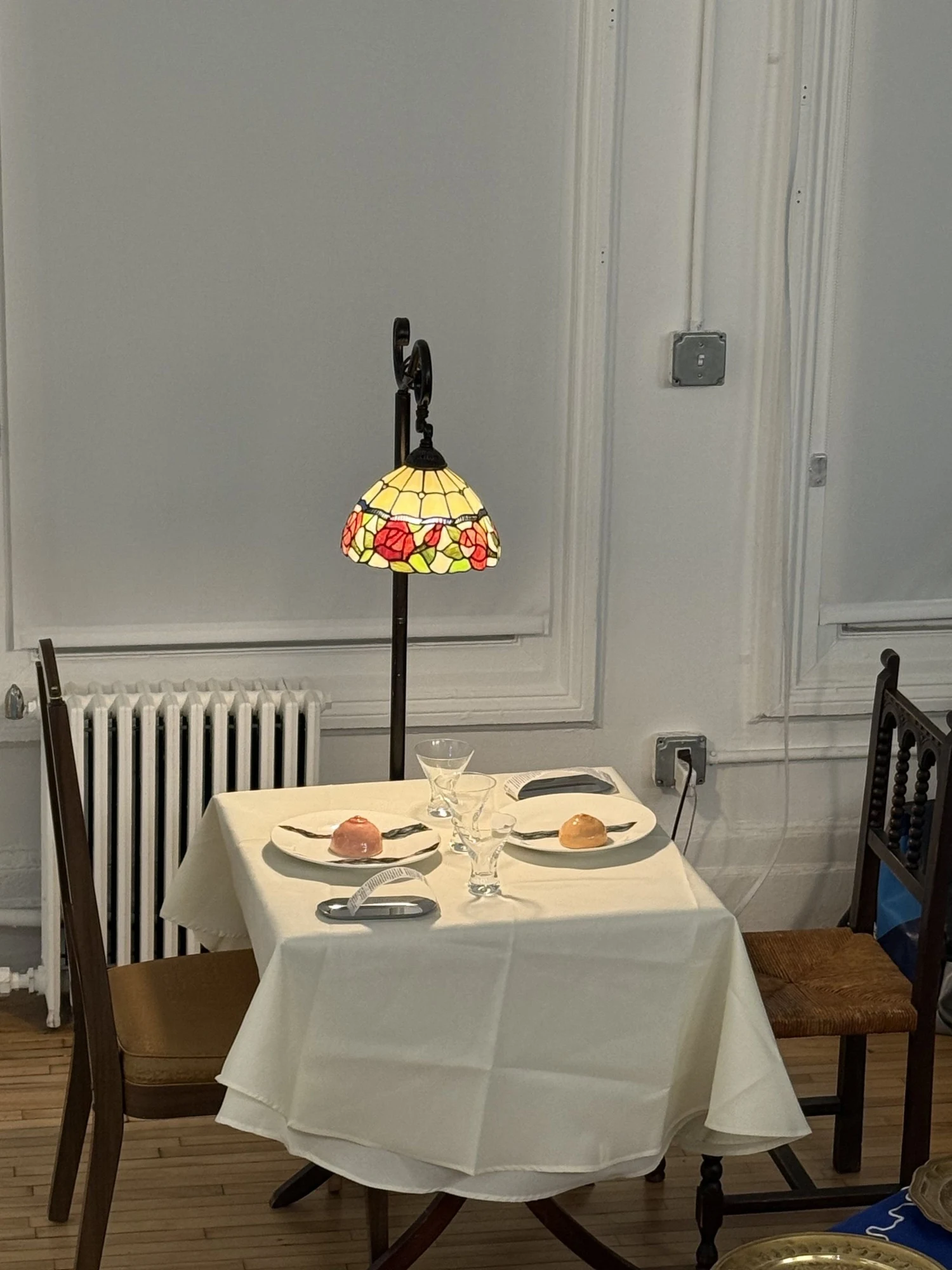
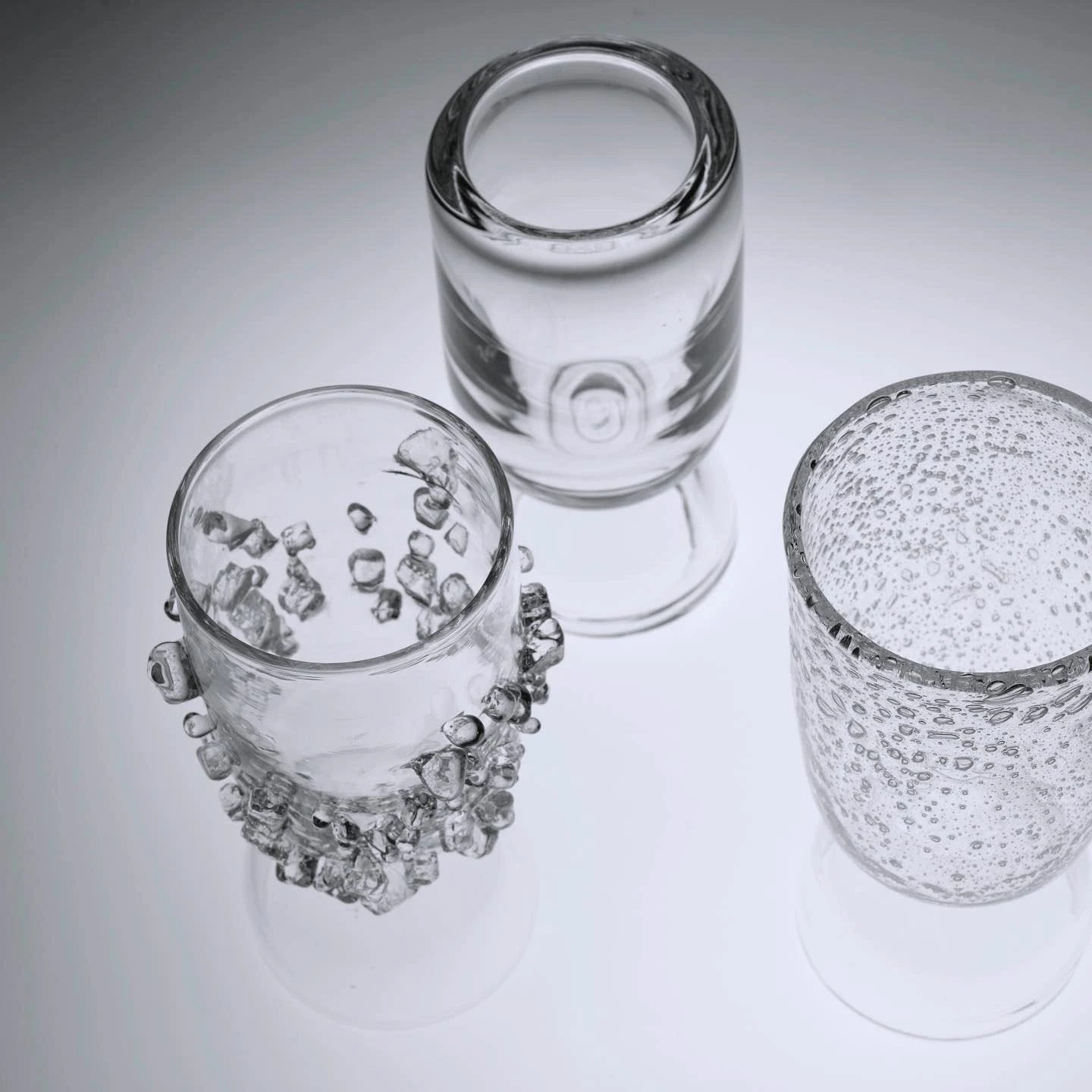
In this “Inner Feast,” Beiyi Wang uses ritualized installations and bodily experiments to place the audience in a liminal space where perception and time intersect, allowing psychic energy to undergo a quiet transformation through subtle but profound sensory interventions. Yanshan Ou constructs a cross-cultural CIN CIN using glass and sound, intertwining touch, memory, and communication in the gesture of a toast, exploring the intimate link between the senses and culture.
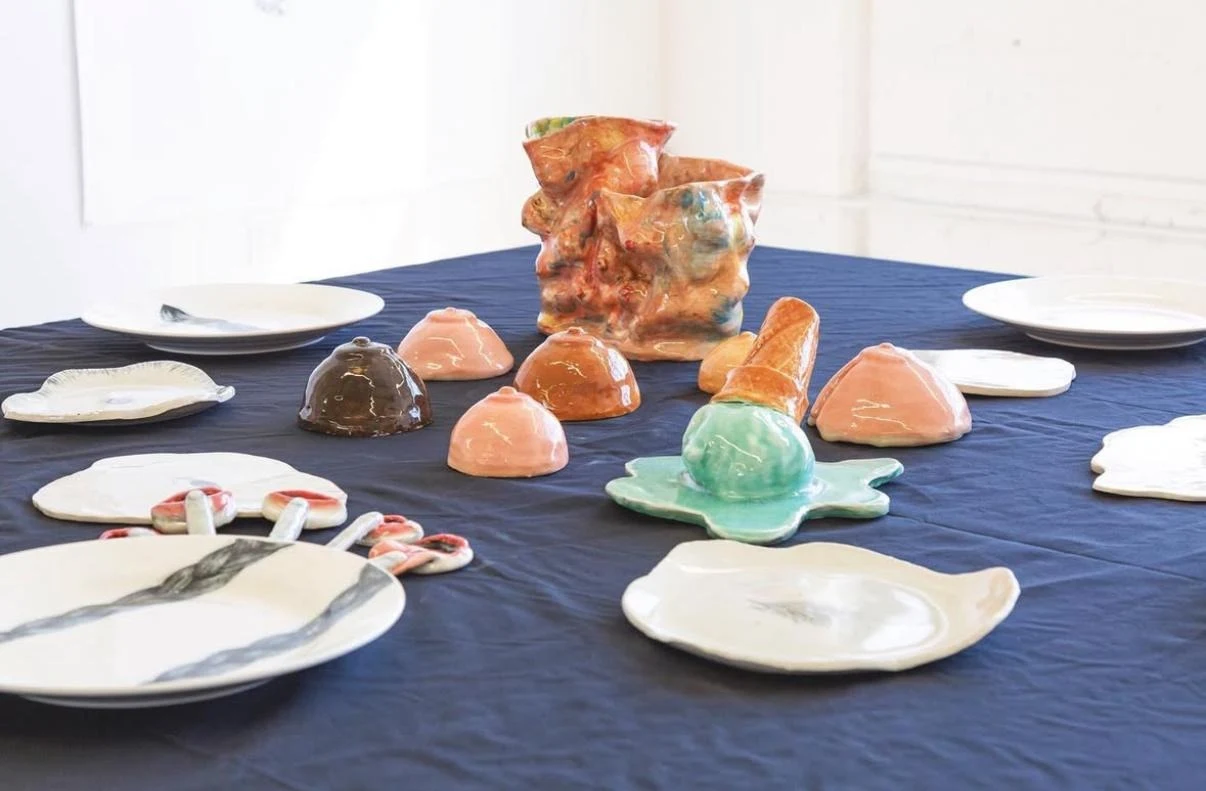
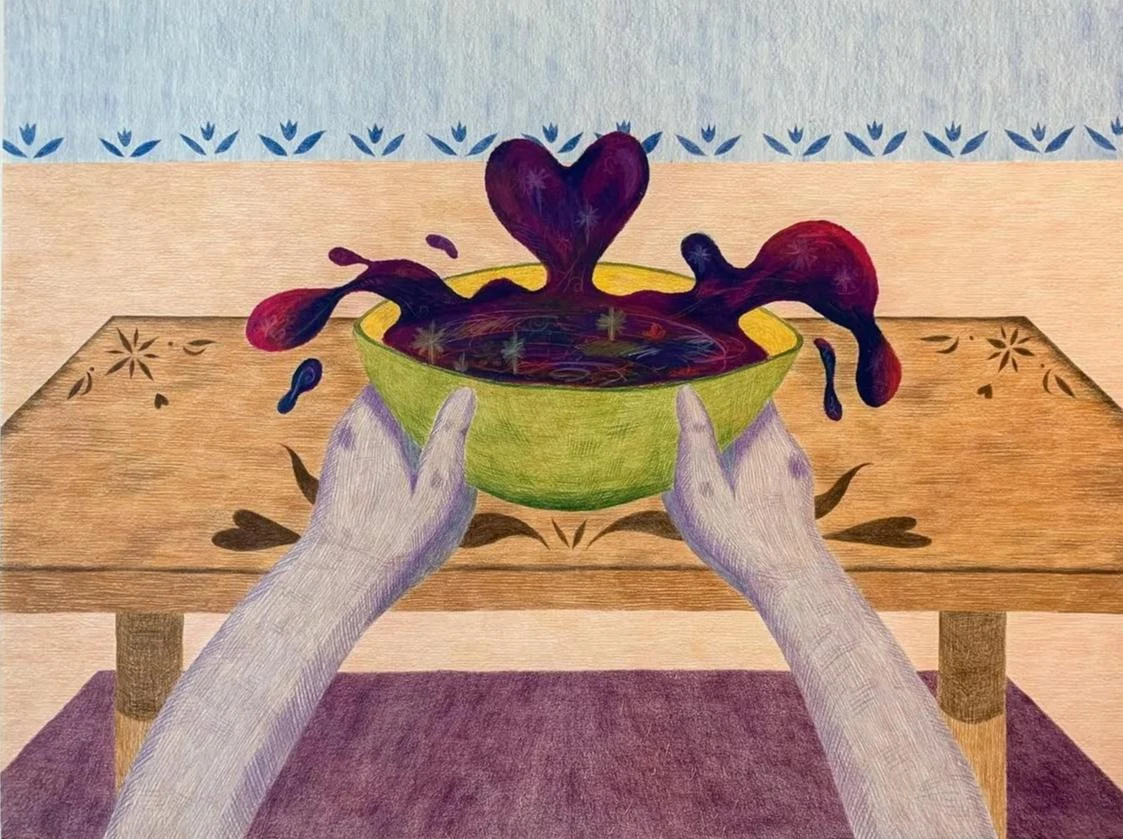
Chloe Yu Chen assembles a table of “cultural fragments” through ceramics and painting, where humor and poetry mask underlying tensions between identity, the body, and social regulation. Megan Nugroho renders “mental landscapes” between intimacy and wildness in colored pencil, using a soft yet sharp visual texture to reimagine the relationship between humans and nature at the edges of imagination.
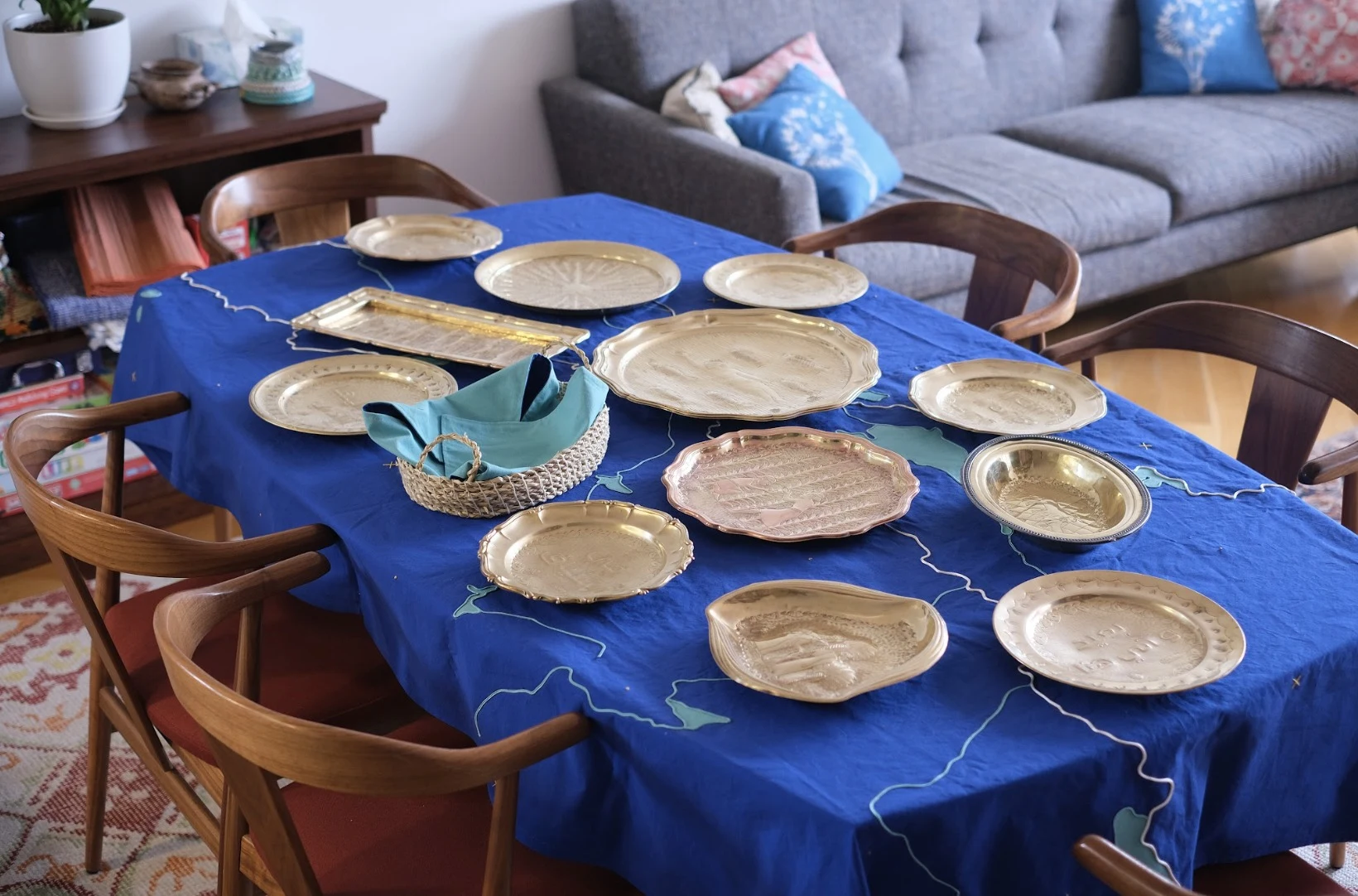
Annie Yuan Zhuang transforms urban echoes, scent, and cycles of life into cross-media “psychological specimens,” constructing a subconscious pathway woven from sound, smell, and touch within overlooked fragments. Peishan Huang employs layered materials and deconstructed spatial language with a texture akin to slow chewing, making the subtle boundaries between mind and body emerge through a tactile and perceptual process of “digestion.” Zahra’a Nasralla merges tableware and cartographic imagery, turning “food” into a map of culture and memory, inviting the audience to enter fluid narratives of identity through acts of sharing. Anh Dao Ha, working with delicate materials and handmade interventions, evokes the faint tremors between body and memory, unfolding a quiet dialogue on self-formation between fragility and resilience.
Inner Feast invites viewers not only to see the works but to experience an art-infused spiritual meal. Each piece is a psychological slice, calling on audiences to sense, to “digest,” and ultimately to arrive at inner integration.
The exhibition is co-curated by Luman Jiang, Jinyi Freya Xu, Yvonne Yitian Xu, and Shuhan Zhang, whose backgrounds span the contemporary art market, digital art, cultural psychology, and interdisciplinary curatorial research. Together, they construct a pathway into the subconscious, making the exhibition a process of feeling rather than a simple act of viewing.
Exhibition Details
Dates: August 8–12, 2025
Artists: Chloe Yu Chen, Zahra’a Nasralla, Megan Nugroho, Yanshan Ou, Anh Dao Ha, Peishan Huang, Beiyi Wang, Annie Yuan Zhuang
Emerging Trends in the Global Art Market — Asian Art Market Panel
01
Venue
The Blanc Gallery, 12F, 15 E 40th St, New York, NY 10016
Dates
July 19, 2025, 2:00–5:00 PM
Role
Co-presenter / organizer
Press release
Emerging Trends in the Global Art Market | Asian Art Market Panel
The Blanc Gallery 12F, 15 E 40TH ST, New York, NY 10016 Friday, July 19, 2025 2:00–5:00 PM
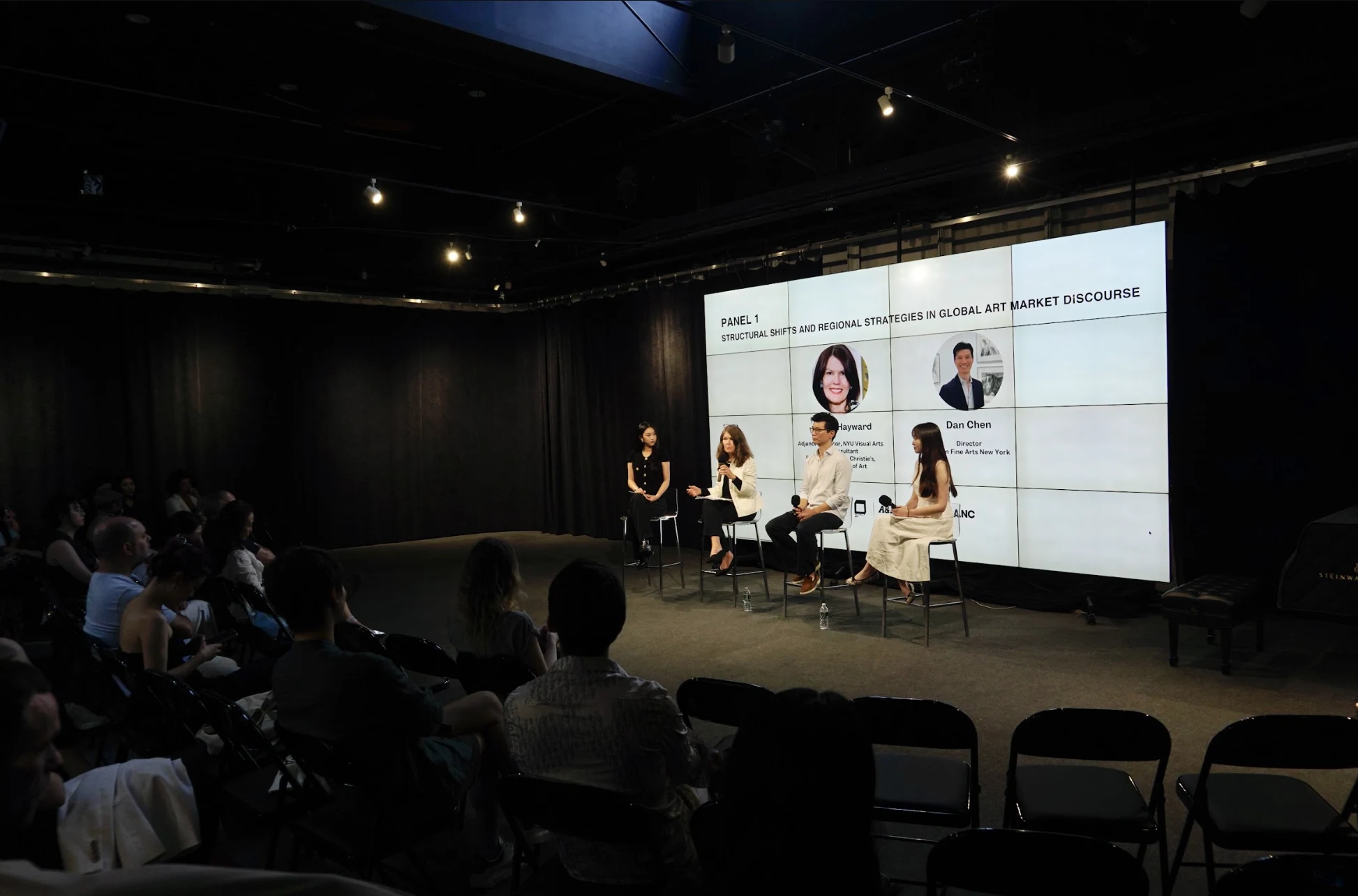
New York, July 19, 2025 — We are pleased to present a special panel discussion, "Emerging Trends in the Global Art Market", focusing on the evolving dynamics and future trends of the Asian art ecosystem amid structural transformations in the global market.
This panel comes at a pivotal moment for the Asian art market, as generational shifts and geopolitical fluctuations continue to reshape the industry's paradigm. In the post-pandemic era, the rise of online platforms and the expansion of emerging collector groups are transforming modes of circulation and value production in art. Against this global backdrop, Asia is steadily rising as a major engine of market growth. From Mainland China, Hong Kong, and South Korea to Southeast Asia and the Middle East, regional developments in cultural policy, capital flow, and institutional ecosystems are converging to form a complex and promising future landscape.
The event will unfold through two in-depth conversations:
The first panel will focus on structural changes in the global art market, exploring how economics, capital flows, and regional policies collectively shape cultural narratives on a global scale. The second panel will spotlight the next generation art collections, which will discuss shifts in collecting behaviors, aesthetic values, and how youth-driven forces are redefining market discourse.
This is not only a timely reflection on where the market stands and where it is headed, but also a generational and cross-cultural dialogue. We warmly invite you to join us for this conversation on the present and future of the art market.
Introduction Panel 1:Asia Rising: The Asian Art Market Amid Structural Transformation and Global Repositioning
As Asia continues to emerge as a key pillar of the global art economy, this panel will offer a macro-level analysis of the structural forces driving its rise. Regions such as East Asia, Southeast Asia, and the Middle East are undergoing significant shifts in cultural policy, capital flow, and institutional strategy—factors that are collectively reshaping Asia’s position and agency within the global art discourse and institutional frameworks.
This conversation brings together speakers from galleries, art advisory, auction houses to talk about both the divergences and interconnections across regions. The discussion will explore how artistic trends, institutional strategies, and policy infrastructures shape the development trends of the art markets in Asia. In particular, it will consider how the Asian art market navigates between local narratives and global visibility, seeking new directions and a competitive position in a rapidly evolving landscape.
Panel 2:The Power of a New Generation: Young Collectors and the Redefinition of Cultural Capital This panel centers on how the next generation is reshaping the art market ecosystem. Catalyzed by the rise of social media and digital platforms, young collectors and emerging platforms are changing traditional structures, reconfiguring value systems, circulation channels, and the distribution of cultural capital.
Bringing together voices from primary and secondary markets, this discussion will discuss how the art market is shifting from a model of inheritance to one of reinvention. Topics include the evolving behaviors of new-generation collectors and artists, aesthetic realignments, and how youth-driven forces are redefining market discourse.
We are going to explore how emerging collectors are establishing new aesthetic and collecting logics. How are next-generation advisors and valuation experts intervening and shaping the ecosystem? As platform logic redefines the rules of visibility, is this generation developing its distinct mode of cultural participation within a global context?
Embodied Dissonance is a group exhibition will be presented in Fou Gallery from November 24 to December 4 that brings together artists who use the five senses as portals into their inner landscapes that spaces shaped by memory, grief, trauma, culture, or subconscious emotion, often disconnected from external reality.
Instead of resolving rupture or discomfort, this exhibition stays with it. It locates itself in the cracks where dissonance lives. Through sensory engagement, spanning soundscapes, touch, scent, visuals, and taste, the works invite a process of witnessing and with-ness — a way to acknowledge what exists and endures, to feel it as it continues to live on in the body.
In a time where our sensory field is saturated by algorithmic flows, compressed images, and instant gratification, our bodies often become estranged from the very sensations that make us human. “Embodied Dissonance” is conceived as a multi-sensory exhibition that uses the five senses: touch, sight, hearing, taste, and smell, as portals to re-inhabit the body and its memory. It is not about mending dissonance but staying with it, allowing discomfort to surface and be felt as a form of embodied knowledge and healing.
This exhibition gathers artists who approach the body as both subject and medium, exploring its thresholds, vulnerabilities, and resilience. Through scent-based installations, tactile objects, soundscapes, and immersive visuals, the works invite visitors to experience their own body as a living archive, one shaped by memory, trauma, grief, cultural inheritance, and desire. Rather than seeking harmony, the exhibition embraces friction and misalignment as spaces of care and transformation.
Drawing on sensory ethnography, phenomenology, and feminist theory, “Embodied Dissonance” builds on the idea of wit(h)nessing, which is anan aesthetic and affective practice of being with, where the artist, artwork, and spectator become co-witnesses of lived and shared sensations. These encounters are not passive observations but co-created moments where the body resonates, absorbs, and releases. As Anne Bogart writes, “exposure to discomfort and dissonance is as vital to our development as our need for food and water.”
By leaning into sensory dissonance, we ask:
What happens when we allow unease to guide us toward self-recognition? Can the body’s raw, unfiltered encounters become acts of healing and re-embodiment?
In this shared space, the exhibition is less a narrative than a process—an invitation to slow down, to listen through the body, and to rediscover the five senses as thresholds to inner landscapes. It asks the audience not just to view but to feel, to allow the works to unsettle, and ultimately to reconfigure their own embodied awareness.
The Sound of What Does Not Survive
A review of The Blue Left Spinning by Salome Yichi Zhang
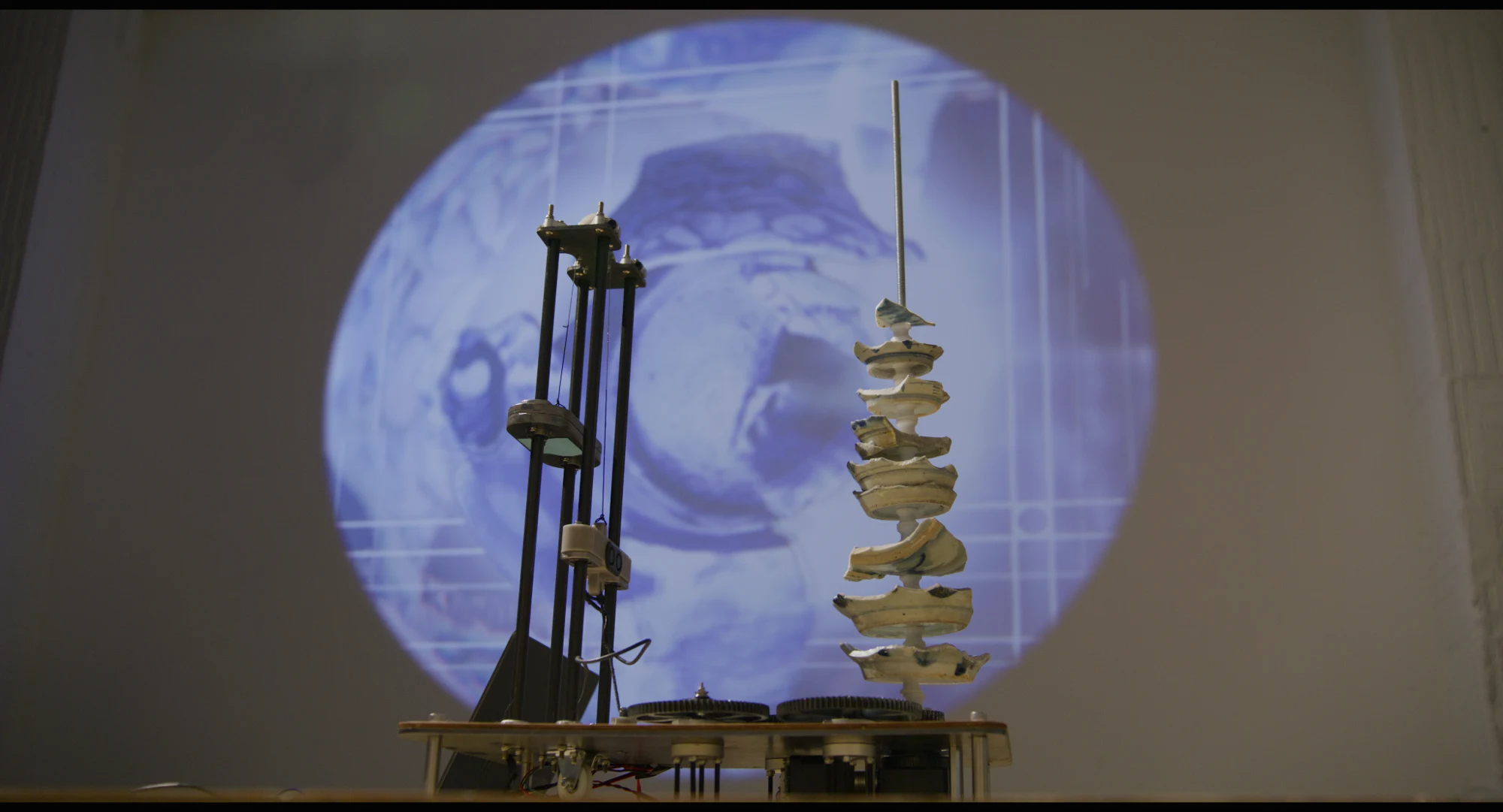
Review of Salome Yichi Zhang’s kinetic sound installation The Blue Left Spinning (2026) at FLOHAUS Gallery, built from Qing-dynasty porcelain shards inherited from the artist’s family, who maintained kilns in Hunan for over two centuries.
A review of Salome Yichi Zhang’s The Blue Left Spinning (2026) at FLOHAUS Gallery — a rotating sculpture of shattered Qing-dynasty porcelain whose irregular edges are read by a traveling sensor and translated, via algorithm, into five simultaneous streams of sound. Xu reads the work through inheritance, fracture, and procedural composition: unlike Kader Attia’s methodology of visible repair, Zhang refuses restoration entirely, treating brokenness not as a wound awaiting restitution but as the work’s primary condition of meaning. The review follows the piece from the potter’s wheel to the data stream, asking what ultimately survives — not the vessel, not an unbroken family narrative, but a set of relations continually made and unmade between hand and motor, kiln and code, resonance and memory.
By Jinyi Freya Xu
When a porcelain vessel is shattered into shards, the sound of its breaking cuts through the air, a story begins. Before it breaks, the vessel survives as a whole, following a familiar trajectory: it acquires provenance and passes from one pair of hands to another under the protective fiction that continuity can be made material. Broken fragments are considered a disaster. And repair is sometimes a solution. However, in Salome Yichi Zhang’s The Blue Left Spinning (2026), exhibited at FLOHAUS Gallery, fiction has already failed. The Qing-dynasty porcelain at the work’s center is not an heirloom secured against time, but a group of fragments inherited from a family that maintained kilns in Hunan for more than two centuries. The porcelain shards themselves tell a family story.
Installation view. Courtesy of the artist. Photography by Reyco.
The work’s title performs a small but consequential grammatical dislocation. “Left” can designate direction, but it also names a remainder: what is left, left behind, or left to us. Spinning is therefore not simply what the sculpture does. It is the state into which inheritance has been thrown. The fragments rotate as matter released from the obligation to represent a complete past, yet they never escape that past’s gravitational field. Every turn returns them to view while refusing the consoling arrival of restoration. The Blue Left Spinning is most compelling when it allows this discrepancy to remain unresolved. The technical system might initially suggest an updated animism in which an old object is granted a digital voice. It is a model constructed from resonance: a computational hypothesis about what the material might sound like under conditions the apparatus itself establishes.
This rotation inevitably recalls the potter’s wheel, but Zhang reverses its temporal logic. The edges between shards and the sensor, to some degree, are the distance to home, to the unforgettable family history. Zhang found the fragment in the abandoned porcelain factory, which was destroyed in World War II. Wiping the soil that covered the fragment, through the reflection of the porcelain surface, we saw the silhouette of Zhang’s grandfather making ceramics for a living to raise a whole family. The wheel rotating, the melody dancing, revealing a family memory and nostalgia. The edges change, the distances from the sensor change, the distances from home vary. From Hunan, China to Canada, from Canada to Boston, from Boston to New York. Nostalgic rhythm never ends. It composes a song through distance via algorithm. In that reversal, the ancestor’s hand is illustrated in another dimension, and then melts into the endless love.
Installation view. Courtesy of the artist. Photography by Reyco.
The five resonant voices further complicate any fantasy of a singular ancestral voice. They make inheritance polyphonic, distributed between ceramic matter, sensor readings, software decisions, and the acoustics of the room. Authorship is similarly dispersed. Zhang establishes the system, but once activated, it runs without a performer. The resulting sound is neither fully composed nor simply accidental. It occupies the uneasy territory of the procedural: determined enough to bear the artist’s decisions, contingent enough to exceed any one presentation.
Installation view. Courtesy of the artist. Photography by Reyco.
Zhang’s engagement with fracture differs fundamentally from Kader Attia’s methodology of repair. In works such as Reconstructions (2016), Attia reassembles damaged objects while leaving their scars, transforming repair into a means of confronting the historical violence embedded within material culture. Zhang, by contrast, does not repair the porcelain or reconstruct the vessel it once formed. The fragments remain physically unresolved, suspended along a rotating axis and translated into continuously changing configurations of movement and sound. In The Blue Left Spinning, incompleteness is therefore not treated as a wound awaiting restitution, nor does repair provide the work’s conceptual or formal methodology. Instead, fragmentation becomes the work’s primary condition of meaning. What matters is not how the broken object might be made whole again, but how its brokenness can continue to generate new temporal, sonic, and intergenerational relations. Where Attia makes the scar visible through the act of repair, Zhang allows the fragment itself to remain operative: not as evidence of a former totality, but as a material form whose significance begins precisely where wholeness ends.
Moreover, multimedia performance layered the concept in a technology context. A sensor travels vertically along the sculpture, passing each porcelain shard in turn and measuring the changing distance of its surface. Because every broken edge is irregular, the reading jumps and dips; these fluctuations become melody, note by note, at the instant the sensor encounters them. Zhang’s program derives six simultaneous streams of data from this encounter. Five of the readings become sound: how far the shard’s edge sits from the sensor, how much that distance shifts, how fast, how sharply that speed climbs, and how abruptly it breaks off. The sixth marks when the sensor reaches the bottom of its travel. Two fragments from the same vessel therefore produce different musical phrases. The machine neither strikes the porcelain nor pretends to release a voice concealed within it. Instead, it reads the singularity of the break, allowing damage itself to become a compositional structure.
Curator Neil Leonard speaking at the opening. Courtesy of the artist. Photography by Reyco.
The same live data is transmitted through OSC to the sound engine and the projection simultaneously. Scanned porcelain passes through lines, grids, and radiating circles while the sound follows the sensor’s ascent and descent. The sensor reaches the bottom of its travel and stops. That pause produces the work’s only silence. This interval separates one reading from the next and gives the ear a temporary ground against which fragmentation can be heard. When the machine begins again, the shards are read differently, the projection shifts between circle and vase-like silhouette, and another version of the work comes into being. Non-repetition is therefore not merely a technological effect but the work’s temporal logic: what has been broken may return, but never under the fiction of an identical return.
After everything, a question emerges: What, then, survives? Not the vessel, not an unbroken family narrative, and not an authentic sound waiting inside the shards to be released. What survives is a set of relations continually made and unmade: between hand and motor, kiln and code, resonance and memory, humanity and technology. Zhang’s achievement is to avoid making wholeness the moral conclusion of breakage. The work offers no repair scene. It gives the remainder a rhythm.
Curated by Neil Leonard · Thesis Advisor Ryan Page, PhD · Multimedia Projection Anna Ren · Poster Design Qirui Fang
About the artist
Salome Yichi Zhang is an award-winning Chinese-Canadian composer and sound artist working across sound art, film, and music technology. In New York City, her multichannel and multimedia works were shown at THE BLANC, Flohaus Gallery, and the Audio Lab at NYU, produced by Michael Schumacher. While a student in Boston, her work was presented at Cyber Arts Gallery, Emerson Media Art Studio, and Fenway Art Studio.
Zhang began her composition studies at the University of Toronto with a top level scholarship, then transferred to Berklee College of Music as a recipient of the college’s prestigious World Tour Scholarship Award. She earned a B.M. in Electronic Production and Design and Film Scoring, and was mentored by Neil Leonard in the Berklee Interdisciplinary Arts Institute. After graduation, she continued working with Leonard as his production assistant on his exhibition Midtown Sound: Listening Legacy at THE BLANC.
She has contributed music and sound to independent features, television productions, and more than 20 short films and animations. She was one of the sound designers on Blue Planet Outside the Window, the first live-action 8K documentary filmed entirely in space, and contributed to Hope You Have a Good Trip, the final feature by internationally acclaimed Tibetan filmmaker Pema Tseden, alongside projects with iQIYI and MIT’s Project Prakash. In 2025, her string quartet composition was featured in the Gaia Quartet tour of Canada, and presented at the Canadian Music Centre in Toronto.
About the writer
Jinyi Freya Xu is a New York–based writer and curator. Holding an M.A. in Visual Arts Administration from New York University and a B.A. in Arts Management from the Central Academy of Fine Arts, her writing focuses on contemporary art, curatorial practice, and the global art market. Through exhibition reviews, interviews, and critical essays, she explores how artistic production intersects with institutions, collecting, and cultural exchange. Her writing has been featured in Tussle Magazine, Hot Coffee Conversation, and Dart Magazine.
Critical essay
Between the Visible and the Unseen
Curator Jun Dong and the Structure of Perception
Critical essay on curator Jun Dong’s exhibitions Language of the Unseen and Nature Dialogues with Civilization at the Chinese American Arts Council / Gallery 456.
An essay on curator Jun Dong’s practice at the Chinese American Arts Council / Gallery 456, centered on two exhibitions: Language of the Unseen (Chenlin Cai, Yiming Tang, Minyu Chen), which treats language as a psychological and sensory structure operating beyond words, and Nature Dialogues with Civilization, which frames nature as an inclusive, communicative existence continuously shaped by human intervention. Xu argues that Dong approaches exhibition-making not as presentation but as the construction of perceptual experience — sustaining ambiguity, resisting fixed narrative, and allowing meaning to accumulate slowly through color, material tension, and spatial rhythm. Across both shows, curating becomes the building of a perceptual condition through which viewers reconsider how meaning, emotion, and reality are produced through the act of seeing.
By Jinyi Freya Xu
In Chinese American Arts Council / Gallery 456, curator Jun Dong approaches exhibition-making less as a form of presentation than as a construction of perceptual experience. Across both Language of the Unseen and Nature Dialogues with Civilization, her curatorial practice consistently investigates how meaning emerges through sensing, material encounter, and psychological awareness rather than through fixed narrative explanation. Although the two exhibitions differ in subject matter, one centered on invisible linguistic structures and the other on the relationship between nature and civilization, they are connected through a shared philosophical concern: how human beings perceive, internalize, and negotiate their relationship with the world.
Language of the Unseen, featuring works by Chenlin Cai, Yiming Tang, and Minyu Chen, begins from the proposition that language exceeds verbal communication. In Jun Dong’s curatorial framework, language becomes a psychological and sensory structure capable of operating beyond words, logic, or stable systems of interpretation. “When a language becomes a secret philosophy that no one can read or speak, that is the moment for sensing and feeling via instinct,” the exhibition states. This sentence functions not only as an introduction to the show, but as a curatorial methodology.
Rather than guiding viewers toward immediate readability, the exhibition deliberately sustains ambiguity. Upon entering the space, the viewer encounters an atmosphere that feels closer to sensing than decoding. Meaning does not arrive instantly. Instead, it accumulates slowly through color, spatial rhythm, material tension, and emotional resonance. Jun Dong constructs the exhibition as a perceptual field in which viewers remain suspended between recognition and opacity. The works resist complete translation, yet continue to suggest the presence of something intuitively recognizable beneath language itself.
This approach recalls Enlightenment-era theories proposed by Jean-Jacques Rousseau and Johann Gottfried Herder, both of whom associated the origins of language with emotional and rhythmic expression rather than purely rational discourse. Language of the Unseen extends this philosophical lineage into a contemporary visual context, proposing that image, material, and sensation may operate as forms of non-verbal cognition.
Within this framework, Chenlin Cai’s practice foregrounds material experimentation and atmospheric tension. Her works do not attempt to stabilize meaning. Instead, they allow material relationships to remain fluid and unresolved, producing an experience that feels cognitively accessible yet linguistically unspeakable. Jun Dong positions these works not as objects to be interpreted through fixed symbolism, but as spaces where perception itself becomes unstable and meditative.
In contrast, Yiming Tang approaches the exhibition through psychological structure. Saturated colors, distorted gestures, and unstable compositions generate what may be described as a controlled chaos. Formal coherence remains visible, yet emotional instability continuously disrupts the viewer’s sense of order. Through this tension, the paintings expose the fragile relationship between repression and emotional intensity within contemporary consciousness.
Minyu Chen further abstracts the problem of language by treating symbols as generative systems within consciousness itself. Her works suggest an archetypal structure in which contradiction, ideology, and perception coexist simultaneously. Here, language no longer functions simply as expression; it becomes constitutive of reality and cognition. Through the juxtaposition of these three practices, Jun Dong expands the exhibition beyond individual emotion toward broader epistemological questions concerning how meaning is formed and internalized.
A similar concern with relational systems reappears in Jun Dong’s exhibition Nature Dialogues with Civilization. While Language of the Unseen focuses on invisible psychological and sensory structures, Nature Dialogues with Civilization turns toward the dialogue between humanity and the natural world. The exhibition emerges from what Jun Dong describes as a simple but fundamental realization: nature has always been communicating with us.
For Jun Dong, nature is neither passive scenery nor an external environment separate from civilization. It is a broad and inclusive existence that continuously absorbs growth, decay, transformation, and human intervention. Civilization itself becomes a response to nature, constructed through human actions, materials, and spatial production. The exhibition therefore examines how nature and civilization mutually shape one another through material processes and lived experience.
The exhibition space incorporates wood, glass, ceramic, plastic, iron, paper, oil paint, ink, and found objects. Some materials appear in relatively raw forms, while others bear visible traces of industrial or artistic transformation. Yet Jun Dong emphasizes that all of these materials ultimately originate from nature itself. This becomes, in her view, a manifestation of nature’s inclusiveness: nature permits extraction, alteration, and reconfiguration without fully severing its connection to the material world.
The participating artists engage materials in highly direct and tactile ways, allowing the physical properties of each medium to guide the process of making. Handcraft becomes especially important within the exhibition, as it marks the point where human consciousness physically enters material form. The resulting works simultaneously carry the history of natural matter and the imprint of human civilization.
Across both exhibitions, Jun Dong consistently resists closed interpretive systems. Her curatorial practice avoids presenting art as a stable narrative with predetermined conclusions. Instead, she constructs environments in which meaning emerges gradually through sustained attention and perceptual engagement. In this sense, her exhibitions are less concerned with what is visible than with how visibility itself structures understanding.
For Jun Dong, curating is not simply the organization of artworks within space. It is the construction of a perceptual condition through which viewers reconsider how meaning, emotion, and reality are continuously produced through the act of seeing.